Japan commits $3 million to bolster DRC’s ebola response
- Santé
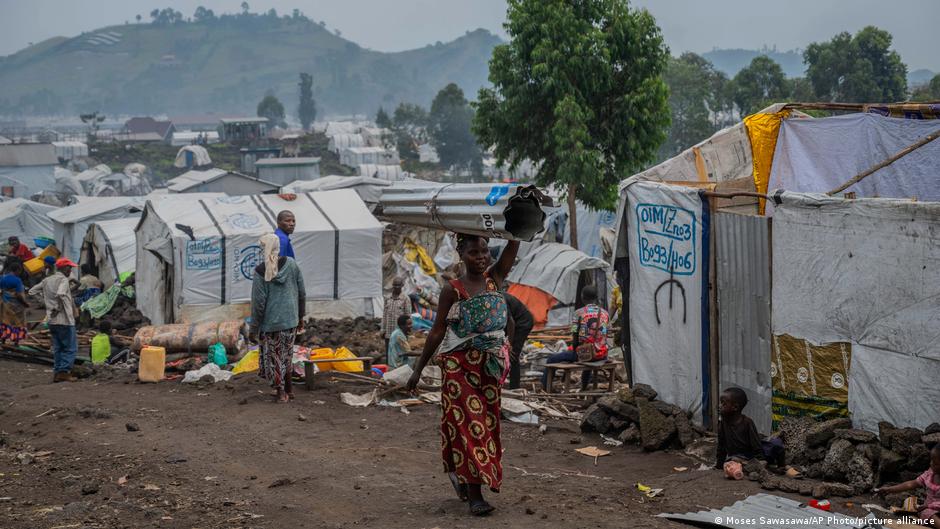
The Government of Japan has announced a significant emergency aid package, totaling 3 million US dollars, to bolster the Democratic Republic of Congo’s efforts in combating the Ebola virus disease epidemic. This critical funding targets the affected provinces of Nord-Kivu and Sud-Kivu, located in the eastern part of the DRC.
This financial contribution will be distributed among three key international organizations actively involved in the humanitarian response. The International Federation of Red Cross and Red Crescent Societies (IFRC) is slated to receive 1.5 million USD, while the World Food Programme (WFP) will benefit from 1 million USD. The United Nations Children’s Fund (UNICEF) has been allocated 500,000 USD to support its crucial work on the ground.
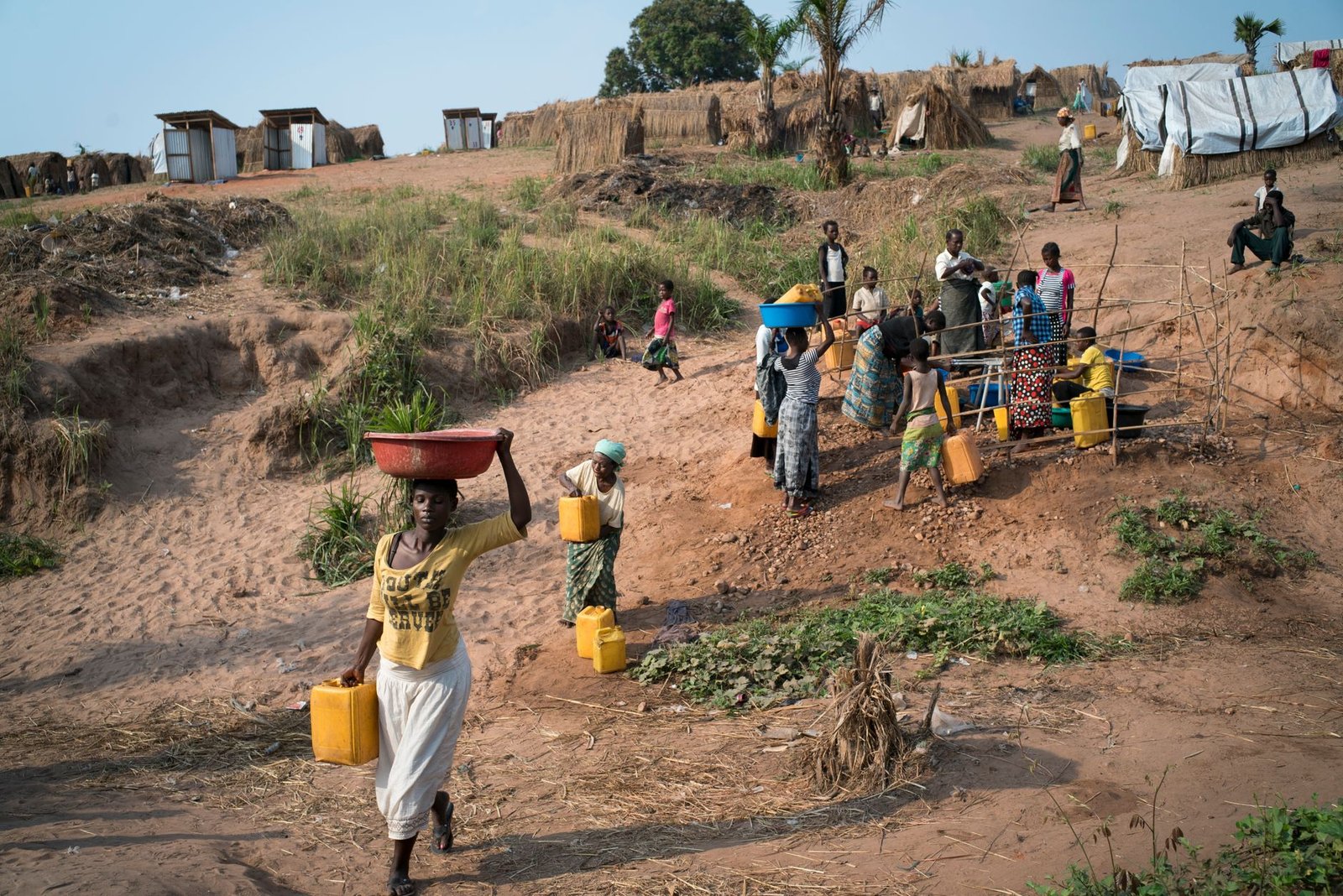
The assistance is designed to fund interventions across several priority sectors, including public health, ensuring access to clean drinking water, and improving sanitation and hygiene practices. Japanese authorities anticipate that this support will be instrumental in containing the spread of the Ebola virus, not only within the DRC but also in neighboring countries that face a risk of contamination.
“With this contribution, the Government of Japan aims to underscore its dedication to the principle of human security,” stated a communiqué from the Japanese Embassy. This commitment, according to the diplomatic representation, served as the primary motivation for Tokyo’s favorable response to requests from international agencies operating in the DRC.
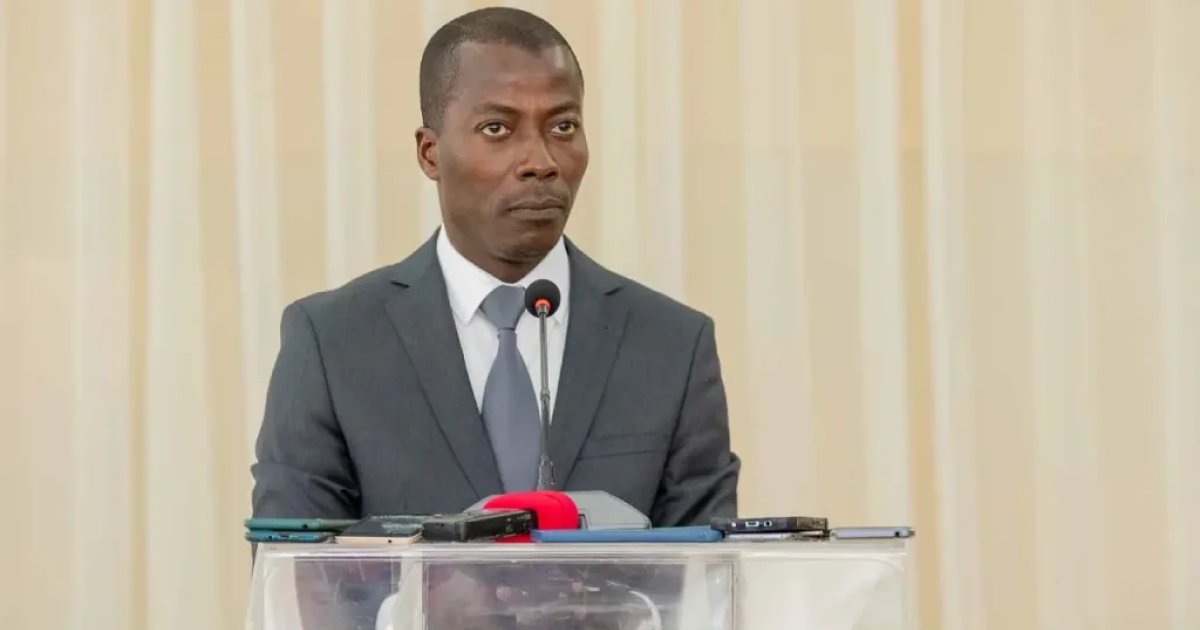
Amidst numerous announcements of international financial support following the resurgence of the Ebola virus disease epidemic, Samuel Roger Kamba, the Minister of Public Health, Hygiene, and Social Welfare, urged the Democratic Republic of Congo’s partners to enhance coordination and transparency in managing funds allocated for health interventions, particularly for the Ebola response in the country’s East.
During a joint briefing held on Thursday, June 18, 2026, in Bunia, Ituri province, alongside Minister of Communication and Media Patrick Muyaya, the Health Minister emphasized the need for a unified approach between the government and its technical and financial partners. He explained that a significant portion of these financial contributions is directly managed by certain humanitarian organizations, bypassing governmental channels. This situation, he noted, creates public confusion, leading many to mistakenly believe that these funds are under the direct control of the Congolese state.
On May 17, 2026, merely two days after the official declaration of the epidemic in the Democratic Republic of Congo, the World Health Organization (WHO) classified the Ebola outbreak, caused by the Bundibugyo virus and spreading from the DRC to Uganda, as a Public Health Emergency of International Concern (PHEIC).
According to the WHO, the epidemic has shown considerable geographical expansion, and its true scale may be underestimated. The situation is further complicated by high population mobility, the fragility of existing health systems, inadequate health infrastructure, and challenges in accessing certain conflict-affected areas.
Compounding these difficulties is the current absence of an approved vaccine or specific treatment for the Bundibugyo virus. Despite this alarming context, Congolese authorities maintain an optimistic outlook, drawing confidence from the experience gained in successfully managing sixteen previous Ebola epidemics within the country.

François Mvondo
Journalist