Libreville — For years, Gabon’s water and electricity crisis has been debated solely through its symptoms: endless outages, water shortages, and public frustration. Rarely has the conversation focused on the root cause: Have the voices of those who understand these systems best—the engineers—been heard?
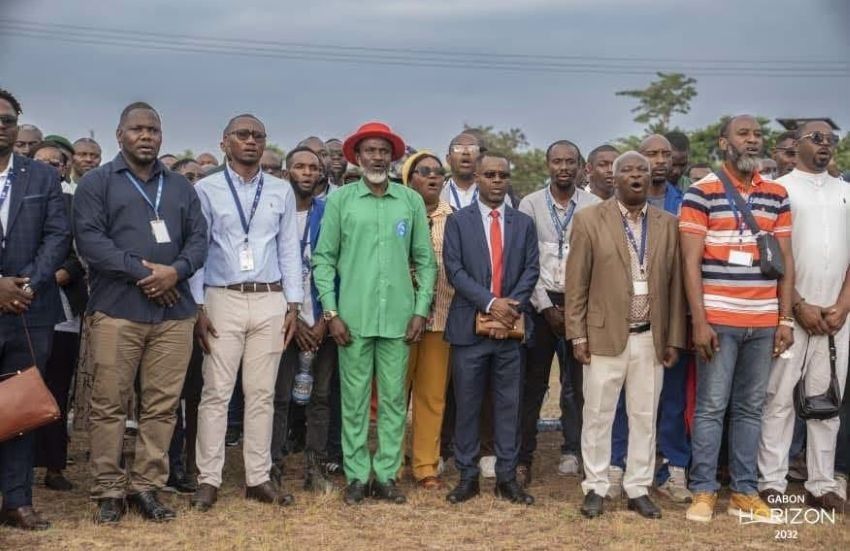
The landmark meeting this week between President Brice Clotaire Oligui Nguema and SEEG technicians at the Jean Violas Technical Center in Owendo could signal a turning point. For nearly three hours, the Head of State listened directly to those on the frontlines dealing with the country’s crumbling infrastructure firsthand.
The engineers’ assessment was blunt. Beyond aging facilities, SEEG’s deepest challenge stems from the systematic sidelining of technical expertise in decision-making processes.
Technical voices finally get a hearing
One technician’s testimony encapsulated years of frustration. Engineers detect failures, assess risks, and propose solutions—yet their recommendations often gather dust in boardrooms. This disconnect between operational reality and strategic decisions mirrors patterns seen in global public utilities.
Electricians, electromechanical engineers, network specialists, and water technicians all echoed the same concern: When technical expertise loses its place in governance, systemic dysfunctions multiply. The parallel with corporate crises like Boeing’s underscores the danger when administrative priorities overshadow technical rigor. Contrastingly, companies like Mercedes owe their success to engineering-driven leadership.
Water shortages: a design flaw as much as a production issue
The discussions revealed lesser-known truths about Gabon’s water challenges. While aging pipes contribute to shortages, insufficient water pressure is a critical yet overlooked factor. When reservoir levels drop, pressure falters—leaving upper floors and distant neighborhoods dry.
Seasonal variations exacerbate the problem. The Ntoum River, currently Gabon’s primary water source, experiences significant flow reductions during dry months. This raises a strategic question: Could redirecting water intake from the more stable Kango River—with its year-round abundant flow—provide a sustainable solution? Such an infrastructure upgrade would require substantial investment but aligns with long-term national growth needs.
Reform’s success hinges on expertise
The upcoming launch of Gabonaise des Eaux and Électricité du Gabon presents a historic opportunity to rebuild two vital sectors. Yet financial investments alone won’t suffice. The transformation’s success depends on placing technical competence at the heart of operations.
The President’s direct engagement with engineers proved one thing: Solutions often lie within the organizations themselves. The future of Gabon’s water and electricity sectors must be built on the insights of those who maintain and operate the infrastructure daily.
Infrastructure can be funded by the state, but only expertise, ground-level awareness, and professional competence can ensure lasting public service. This may well be Gabon’s most valuable lesson from its energy and water crisis.