Gabon rejects Trump’s migrant relocation plan with firm stance on sovereignty
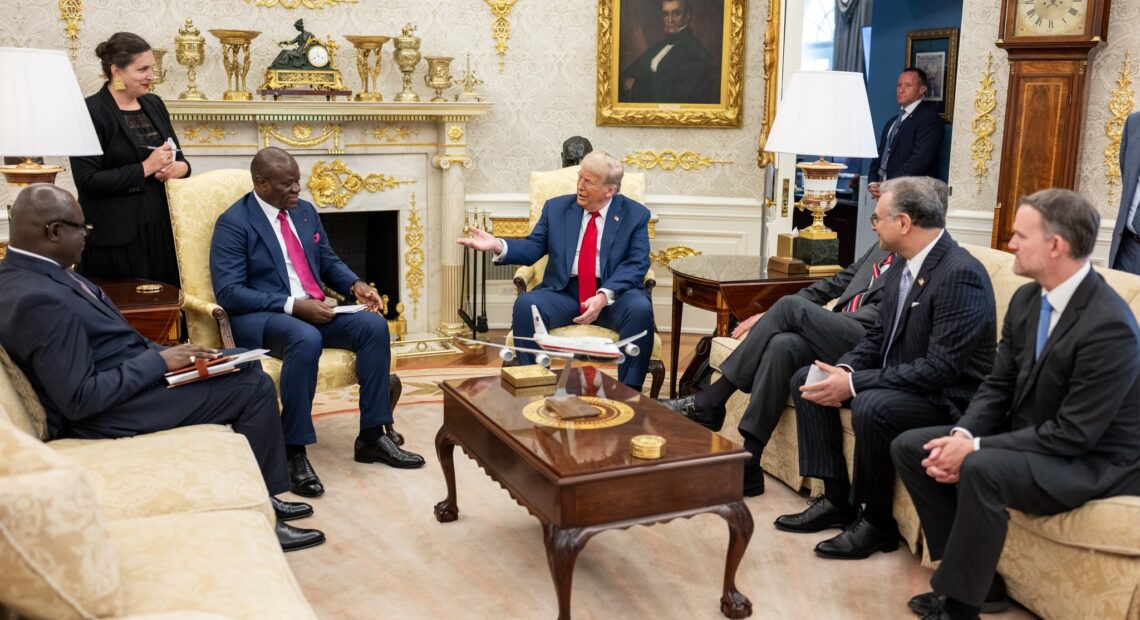
Libreville, June 4, 2026 — Gabon has firmly declined a proposal from the United States to accept migrants facing deportation, a decision that underscores the country’s commitment to national sovereignty and independent policymaking.
In a candid interview, President Brice Clotaire Oligui Nguema made it clear that Gabon would not entertain the idea of hosting migrants expelled under U.S. immigration policies. His remarks reflect a broader strategy to prioritize domestic interests while maintaining balanced international relations.
« We did not reach an agreement on this matter. I did not accept them in my country. I say this with complete transparency. Gabon is not prepared to sign an agreement that does not benefit us. This is crystal clear, » President Oligui Nguema stated unequivocally.
This firm stance arrives at a time when Western nations, including the U.S., are increasingly seeking third-party countries to absorb migrants subject to deportation. The Gabonese refusal highlights a growing trend among African nations to challenge such external pressures.
Global migration pressures fuel debate on sovereignty
Over recent years, the management of migration flows has become one of the most pressing geopolitical challenges worldwide. Western nations, in particular, have explored partnerships with third countries to facilitate deportations. The United Kingdom, for instance, has engaged in discussions with Rwanda regarding the relocation of asylum seekers.
Gabon’s decision to reject the U.S. proposal is set against this backdrop, signaling a broader reluctance among certain African states to serve as relocation zones for Western migration crises. The move also reflects domestic sentiment, with many citizens viewing the continent as ill-equipped to bear the administrative, social, and financial burdens of such arrangements.
A new era of diplomatic assertiveness
President Oligui Nguema’s refusal was not framed as a rejection of U.S. relations but as a safeguard for Gabon’s strategic interests. Throughout the discussion, he emphasized the strong ties between Gabon and the U.S., even humorously referring to Donald Trump as « my friend with the red tie. »
The message is clear: cooperation can continue, but Gabon will not compromise its autonomy. This approach aligns with a series of recent policy decisions aimed at reinforcing national sovereignty, from renegotiating mining contracts to reclaiming military assets.
By declining the migrant transfer proposal, Gabon has positioned itself as a country unwilling to sacrifice its stability for external convenience. The decision resonates with a growing African consensus that the continent should not be treated as a dumping ground for the migration challenges of wealthy nations.
Diplomacy without confrontation
The Gabonese stance offers a masterclass in balancing firmness with diplomacy. Rather than entering into a confrontational stance, Libreville has demonstrated that sovereign choices can be made without severing partnerships. This nuanced approach contrasts sharply with the diplomatic fallout seen in other regions, where migration disputes often escalate into open political crises.
For international observers, Gabon’s refusal serves as a case study in how African states are redefining their role in global negotiations. While cooperation remains essential, African nations are increasingly asserting their right to shape agreements on their own terms. This shift marks a turning point in Africa’s engagement with global powers, signaling a demand for greater equality in international partnerships.
Ultimately, Gabon’s decision sends a powerful message: the country is open to collaboration, but its future will be determined by its own priorities. In an era of global fragmentation, this affirmation of sovereignty may well become a defining feature of Gabon’s diplomatic identity in the years ahead.

François Mvondo
Journalist