As Mali prepares for Eid al-Adha 2026, the capital Bamako faces unprecedented hardship due to a jihadist blockade that has choked supply routes since late April. The Group for the Support of Islam and Muslims (JNIM), an al-Qaeda-affiliated Sahelian faction, has systematically targeted commercial convoys linking Bamako to southern and western production hubs, as well as trade corridors with Côte d’Ivoire, Senegal, and Mauritania. With dozens of trucks torched along major highways, transporters and merchants hesitate to embark without military escorts, crippling deliveries of livestock, food staples, and fuel ahead of one of the Sahel’s most sacred religious celebrations.
Jihadists disrupt Bamako’s lifelines with precision
The blockade represents a tactical shift for JNIM, which historically operated in the country’s central and northern rural zones. By striking at the capital’s supply arteries, the group now directly challenges urban livelihoods and the transitional government’s ability to maintain free movement of essential goods. While military escorts do facilitate some priority deliveries, the flow of commodities has plummeted, leaving Bamako’s markets strained and prices soaring.
Eid sacrifice lambs vanish from markets as costs surge
Bamako’s livestock markets tell a stark story of scarcity. Fewer herders from the central Sahel or regions like Kayes and Koulikoro dare risk the journey, leaving pens sparsely populated. The scarcity has driven prices beyond reach for many households, forcing families to rely on informal loans or communal savings to purchase the ritual lamb. Essential holiday staples—from cooking oil to sugar and traditional seasonings—have also seen sharp price increases, compounding the financial strain on already depleted household budgets.
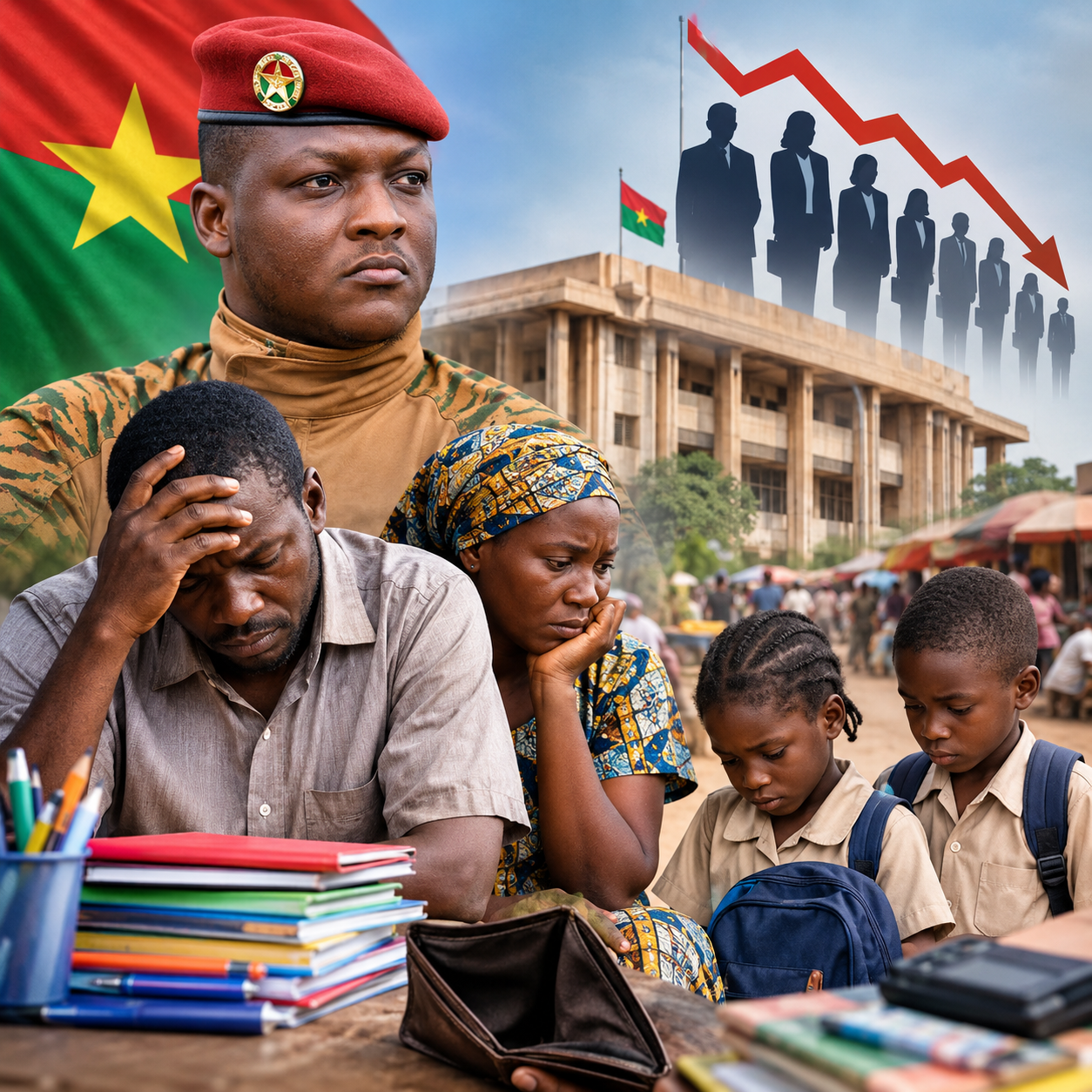
Years of regional sanctions, withdrawal of Western partners, and shifting budget priorities toward security have eroded purchasing power across Bamako’s urban landscape. Families are adjusting by scaling back purchases, pooling resources, or skipping celebratory elements altogether, transforming a festive occasion into a test of resilience.
Blackouts and fuel shortages deepen the crisis
Power cuts have worsened the strain, with the national electricity provider, EDM-SA, struggling to secure fuel and maintain aging infrastructure. Blackouts lasting hours—sometimes exceeding half a day—jeopardize meat preservation after sacrifices, cripple small businesses, and strain social cohesion during a holiday traditionally centered on family gatherings and generosity.
Fuel supplies, heavily dependent on corridors from Côte d’Ivoire and Senegal, have become erratic. Parallel market prices climb as queues lengthen at stations, triggering cascading disruptions: delayed public transport, stalled deliveries, and generator outages in shops and hospitals. Authorities, wary of unrest, issue repeated assurances but struggle to resolve the bottlenecks swiftly.
Eid al-Adha becomes a political litmus test
For Mali’s transitional leadership, Eid al-Adha 2026 is more than a religious observance—it’s a test of credibility and stability. Securing even the most critical import routes has become a matter of sovereignty and social cohesion. Regional observers note that JNIM’s economic strangulation tactics mirror those used in neighboring Burkina Faso, where secondary cities like Djibo have endured similar blockades for months.
The celebration will unfold under subdued conditions, far removed from the vibrancy of past years. What’s at stake isn’t just religious observance but Bamako’s ability to withstand asymmetric warfare on its doorstep.