Senegal’s political turmoil: faye sonko rift dominates headlines
The key points
- International spotlight: A major media outlet highlights Senegal’s deepening political divide on July 12, 2026.
- Constitutional showdown: Parliament passed a reform June 29, 2026, expanding legislative powers, only to be struck down nine days later.
- Power struggle: President Bassirou Diomaye Faye and Prime Minister Ousmane Sonko, once united, now face off after their 2024 victory.
- Parliamentary dominance: The PASTEF party holds 130 of 165 National Assembly seats.
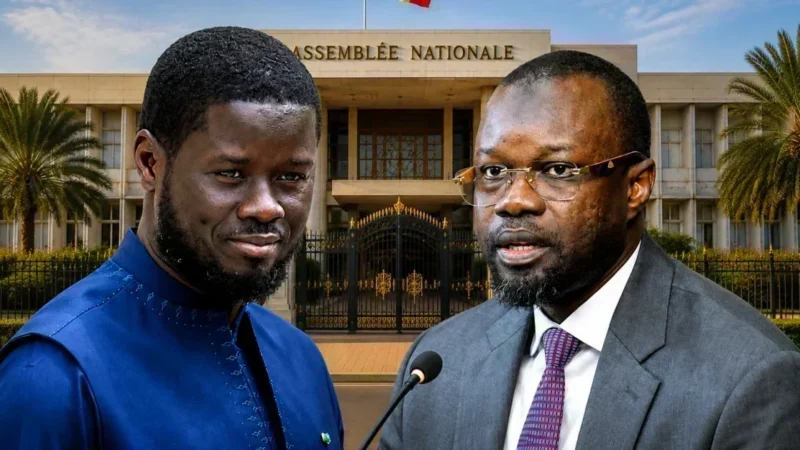
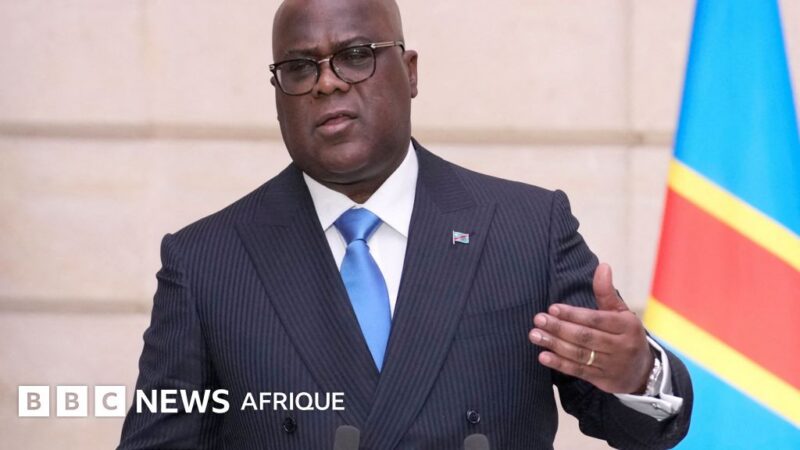
Senegal is under the microscope this weekend as a prominent global broadcaster shines a light on the escalating political rift between two of its most influential leaders. The documentary, titled Friends turned foes: The split reshaping Senegal, dissects the growing schism between President Bassirou Diomaye Faye and Prime Minister Ousmane Sonko, who were once political allies within the PASTEF movement.
This international coverage follows closely on the heels of a constitutional crisis that erupted when the Constitutional Council overturned a sweeping reform passed by Parliament at the end of June. The timing underscores the gravity of the divide between the two men and signals a dramatic shift in Senegal’s political landscape, with the 2029 presidential election looming just over three years away.
From partnership to confrontation
The political alliance between Bassirou Diomaye Faye and Ousmane Sonko secured a historic victory in the 2024 presidential election under the PASTEF banner. With the party now controlling 130 of the 165 seats in the National Assembly, one might expect smooth governance. Yet, as the international report reveals, ideological disagreements surfaced almost immediately, particularly around economic policy and relations with global institutions like the IMF. Analysts describe the situation as a fratricidal struggle between two competing visions for the country’s future.
The tension is further amplified by Sonko’s dual role as Prime Minister and President of the National Assembly, a rare concentration of both legislative and executive authority that has fueled friction with the presidency. The documentary highlights how this institutional arrangement is exacerbating divisions, creating an atmosphere of uncertainty in Dakar’s corridors of power.
Constitutional reform triggers constitutional crisis
On June 29, 2026, Parliament approved a constitutional reform aimed at strengthening the Parliament and Prime Minister’s powers. The proposed changes included prohibiting the President from leading a political party and replacing the existing Constitutional Council with a nine-member Constitutional Court. The reform also raised concerns about funding for the new institution.
Faye challenged the reform’s passage by filing a complaint with the Constitutional Council on July 7. The Council ruled on July 10, invalidating the reform on procedural grounds and citing the lack of allocated funding for the proposed court. The decision has left observers questioning the next steps in this high-stakes institutional standoff.
Sonko responded with a terse statement, asserting that the Council’s ruling must be respected by all. Yet, the brevity of his remarks did little to clarify the path forward or ease the palpable tension between the two leaders.
Global scrutiny on a democratic model
The international media’s deep dive into Senegal’s political crisis reflects the country’s significance as a regional anchor of stability in West Africa. Often hailed as a beacon of democratic resilience, Senegal is now navigating uncharted waters as internal divisions threaten its reputation.
With a population of roughly 19 million, Senegal remains a key economic and diplomatic partner for France and other international actors. The unfolding drama has not gone unnoticed by local observers, who have closely monitored the constitutional showdown and the widening rift between Faye and Sonko. Some commentators have framed the conflict as a summit duel, a phrase that has gained traction in political and media circles alike.
Senegal’s evolving political landscape
Senegal operates as a presidential republic, where the head of state traditionally wields substantial authority. Faye’s election in 2024 marked a significant political shift, propelled by PASTEF’s momentum and Sonko’s widespread popularity. However, the current arrangement—where the Prime Minister also presides over the National Assembly—is highly unusual and has concentrated legislative and executive power in the hands of one individual.
This unusual configuration helps explain Faye’s determination to challenge the reform, which he views as an attempt to undermine the presidency. Meanwhile, the country grapples with pressing economic challenges, including public debt management and negotiations with international financial institutions. The disagreements between Faye and Sonko on these issues, as noted by political analysts, reveal deeper strategic divergences beyond mere power struggles.
Election stakes and future fallout
The local elections slated for 2027 and the presidential race in 2029 loom large over the current crisis. Political observers warn that the rift between Faye and Sonko could reshape the electoral landscape, potentially splitting the PASTEF or triggering a realignment of alliances.
The party’s overwhelming parliamentary majority complicates matters further: neither leader can govern effectively without the other, raising the specter of institutional paralysis. The question of who will ultimately control the PASTEF’s machinery is becoming increasingly critical.
The international report underscores that this crisis is not a fleeting incident but the beginning of a prolonged battle for the control of Senegal’s political future. The coming months will determine whether the two leaders can find a way to coexist or if their rupture becomes permanent. While the Constitutional Council’s decision has provided a temporary reprieve for Faye, it has done little to resolve the underlying disagreements. Senegal’s political scene is entering a period of heightened uncertainty, closely watched by regional and international partners alike.