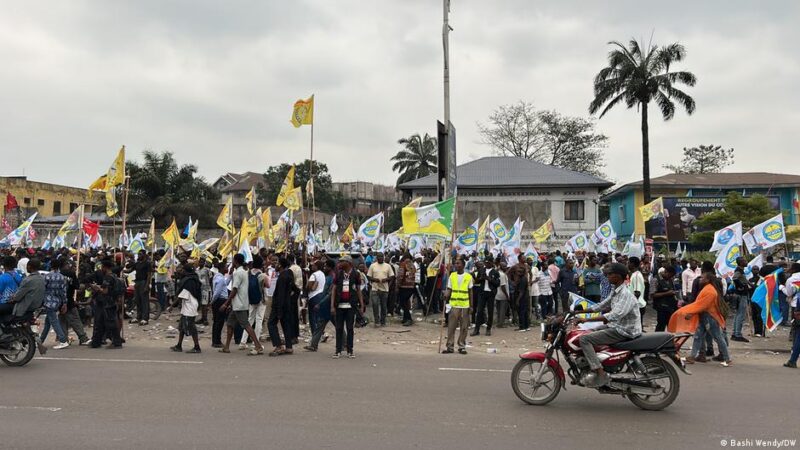
Drc political crisis: opposition vows renewed protests after constitutional court ruling
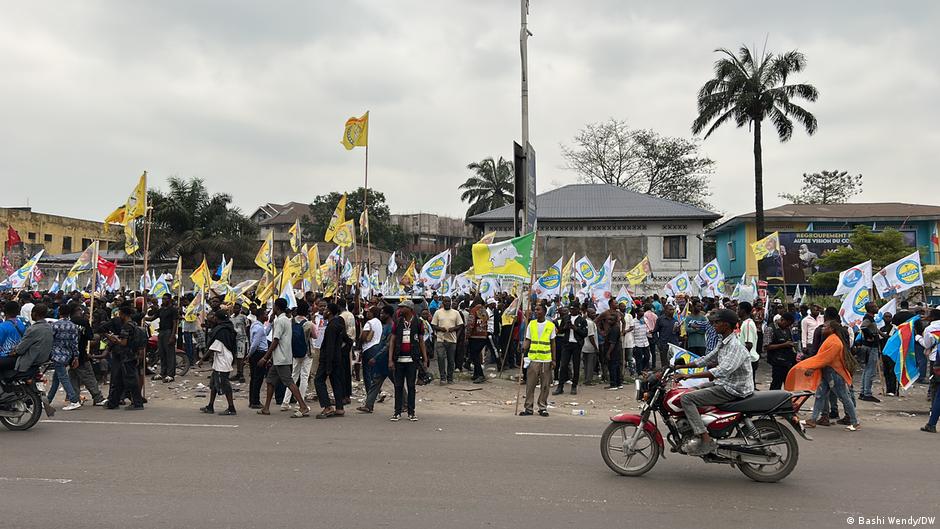
The Constitutional Court’s endorsement of the referendum law has reignited fierce debate over potential constitutional changes in the Democratic Republic of the Congo. While authorities hail it as a legal milestone, opposition figures warn of democratic backsliding and vow to escalate their mobilization efforts.
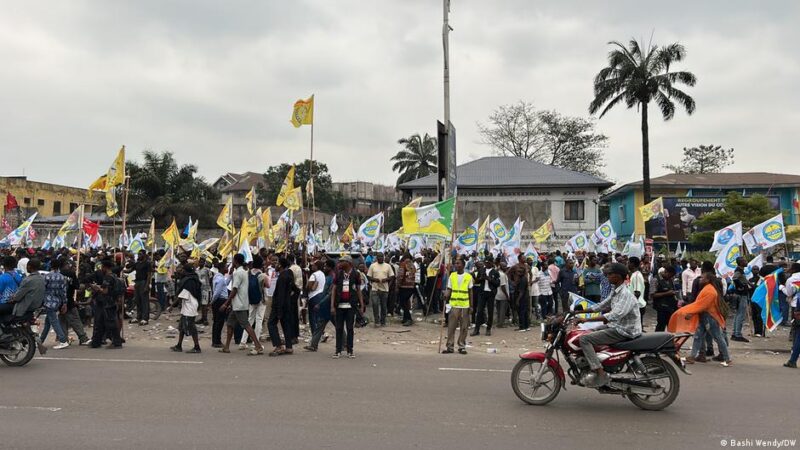
The coalition Article 64 has condemned the ruling, framing it as a direct threat to the country’s constitutional framework. Prince Epenge, a leading spokesperson, declared the group’s resolve to prevent the law’s implementation: “We will not back down. We will channel our energy and resources to ensure this law never takes root in our nation.” He added that “the people are enraged and must remain steadfast, united in rejecting any attempt to extend presidential terms or dismantle the nation.”
Kinshasa residents voice mounting fears
As coalition leaders gathered Wednesday evening to plot their next moves, residents of Kinshasa expressed growing anxiety over the possibility of renewed unrest. Many fear that protests, if they materialize, could disrupt daily life and spiral into violence.
One resident questioned whether opposition demonstrations would remain peaceful, emphasizing the need to “avoid any loss of life.” Another resident warned that “the political climate in the DRC could deteriorate further following this ruling.”
“The real troublemaker right now is the sitting administration,” argued another resident. “They routinely deploy agents to sabotage opposition marches through violence and intimidation.” A third resident voiced concern for ordinary citizens, stating that “it is the population who will suffer most if protests turn violent.”
Dialogue at risk of collapse
Timo Roujean, a political analyst with the Konrad Adenauer Foundation, cautioned that swift presidential approval of the new law could destabilize the fragile political dialogue. He warned that if President Félix Tshisekedi signs the legislation before August 15, efforts toward reconciliation may collapse entirely. “A rushed promulgation would render dialogue efforts meaningless,” he stated, adding that in an already tense environment—where talk of a constitutional coup is spreading—the court’s decision “will embolden those advocating armed resistance as the only viable opposition.”
The Constitutional Court’s decision has not resolved the standoff. With the presidential camp now armed with a legal framework and an opposition movement determined to block any constitutional reform, the coming weeks will be pivotal in shaping the trajectory of the DRC’s deepening political crisis.