Drc constitutional reform sparks renewed opposition protests
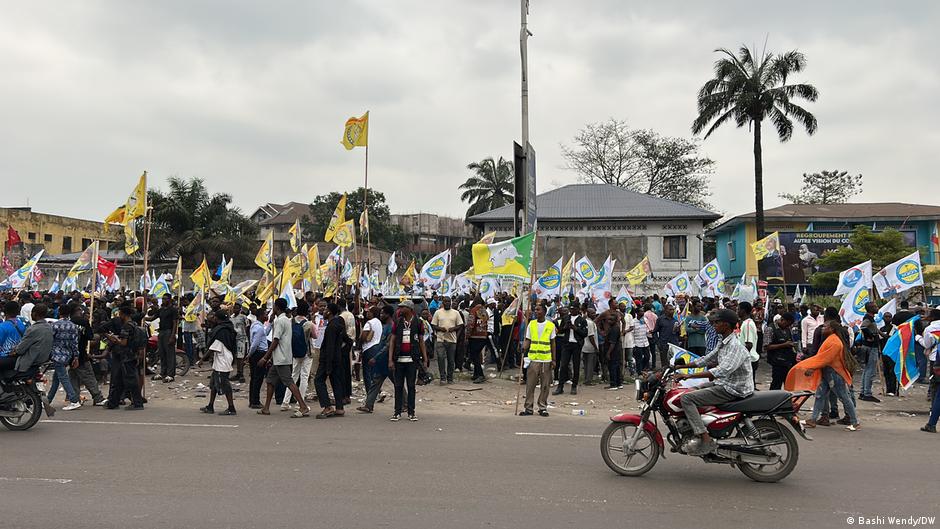
The Constitutional Court’s endorsement of the referendum law has reignited fierce debates about possible constitutional changes in the Democratic Republic of the Congo (DRC). While authorities view this as a procedural milestone, opposition groups condemn it as a dangerous overreach, vowing to escalate their resistance.
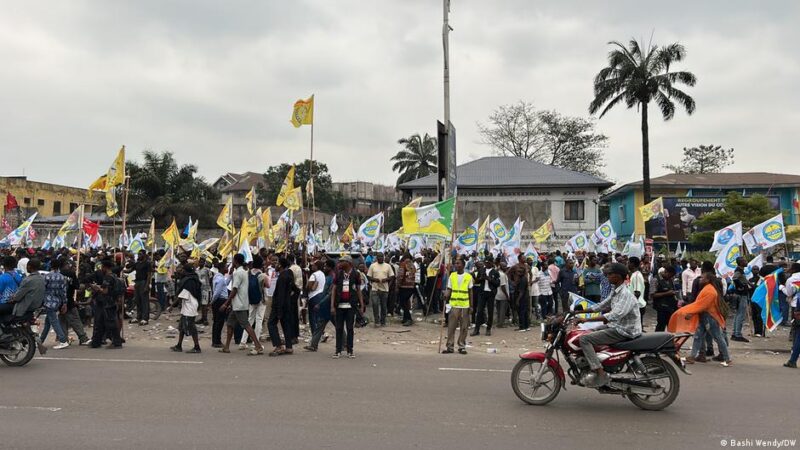
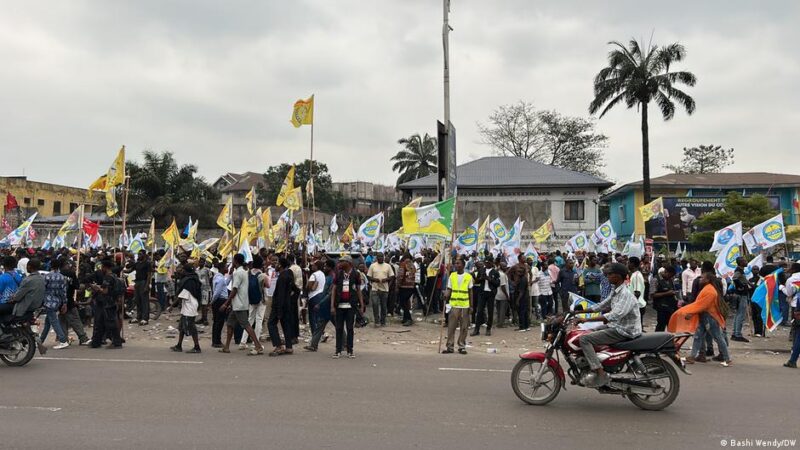
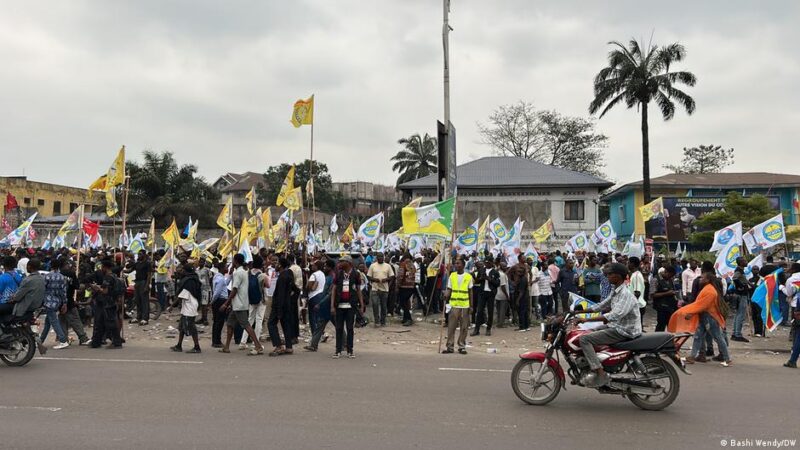
The coalition Article 64 strongly opposes the court’s decision, arguing it paves the way for constitutional amendments they firmly reject. Prince Epenge, a prominent spokesperson, issued a defiant call to the public: “We will not back down. We will pool our strength and energy to ensure this law never becomes operational in our country.”
Epenge emphasized the public’s growing anger, urging citizens to “stand firm, remain mobilized, and firmly reject any third-term ambitions or attempts at constitutional fragmentation.”
Tensions rise in Kinshasa
As opposition leaders gathered in Kinshasa this Wednesday evening to strategize their next moves, residents expressed deep concerns about escalating unrest. Many fear protests could disrupt daily life and escalate into violence.
One resident questioned whether opposition demonstrations would remain peaceful, stressing the need to “avoid any loss of human life.”
Another local resident voiced apprehension over the potential for political turmoil, stating, “I worry that the already tense climate in the DRC could deteriorate further following this ruling.”
A third resident accused the ruling government of “creating chaos by deploying provocateurs to disrupt opposition marches.”
Many citizens also expressed fears that “the population will bear the brunt of any violent confrontations during protests.”
Political dialogue at risk
Timo Roujean, an analyst with the Konrad Adenauer Foundation, warns that an expedited signing of the law could severely undermine political dialogue efforts. If President Félix Tshisekedi approves the legislation before August 15, it may derail ongoing reconciliation initiatives and embolden factions advocating for confrontation.
Roujean cautioned that “signing this law prematurely could nullify dialogue efforts entirely.” He added that in an already strained political environment—where whispers of a “constitutional coup” persist—the court’s decision risks fueling narratives that “violent opposition is the only viable response to government actions.”
As the ruling party secures a legal framework for reform and the opposition digs in its heels to block it, the coming weeks will be critical in shaping the DRC’s political future.