The United Nations Office for the Coordination of Humanitarian Affairs (OCHA) in the Democratic Republic of the Congo (DRC) has revised the 2026 Humanitarian Response Plan (HRP) to address the escalating health and security challenges gripping the country. This adjustment comes as the 17th Ebola outbreak, centered in Ituri Province, exacerbates an already dire humanitarian situation marked by armed conflict, natural disasters, and a resurgence of cholera.
Critical adjustments in response to urgent needs
The revised plan now targets 10.8 million people out of the 18.5 million identified as requiring urgent assistance. This represents a significant shift from the initial projection of 7.3 million vulnerable individuals. The financial requirements have also been increased to $2.13 billion, up from the previously allocated $1.4 billion, to ensure a more robust and effective response.
The decision follows consultations between the DRC government and humanitarian partners, aiming to realign priorities in light of the Ebola epidemic’s rapid spread. Eve Bazaiba, Deputy Prime Minister and Minister of Social Affairs and National Solidarity, emphasized the necessity of reorganizing humanitarian efforts to better address the crisis.
Ebola outbreak: a growing public health emergency
The Ebola epidemic, detected in early May 2026 in Bunia, Ituri Province, has since spread to multiple health zones in Ituri, North Kivu, and South Kivu. The most affected areas include Bunia, Rwampara, and Mongwalu, where transmission remains particularly active. The outbreak has already claimed lives among healthcare workers, underscoring the urgency of containing the virus.
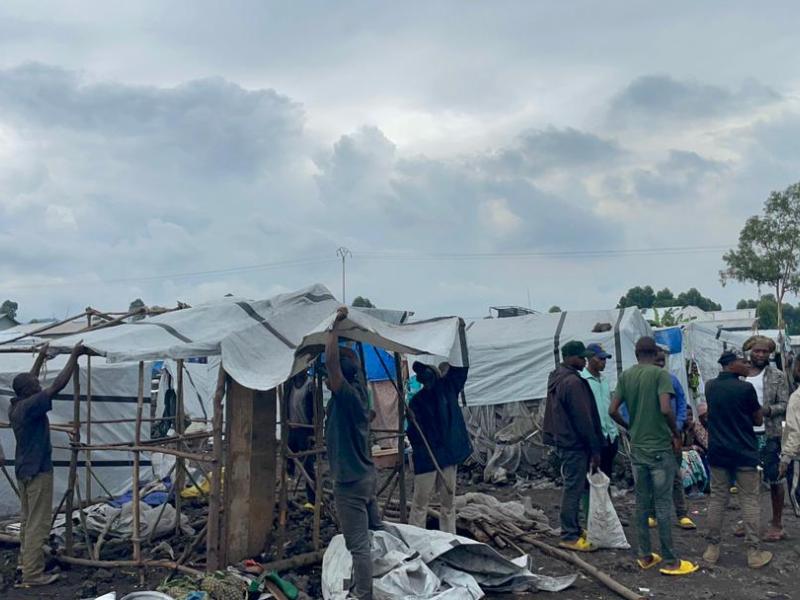
OCHA highlighted that the epidemic has intensified existing vulnerabilities, further complicating humanitarian operations and amplifying the needs of affected communities. The situation is compounded by the ongoing insecurity in eastern DRC, where conflict and displacement have displaced millions, creating fertile ground for disease outbreaks.
Broader humanitarian challenges in the DRC
The Ebola crisis is unfolding against a backdrop of worsening humanitarian conditions. Between December 2025 and March 2026, significant security and humanitarian shifts occurred in North Kivu and South Kivu, prompting provincial humanitarian coordination teams to reassess the severity of needs in affected areas. Additionally, the latest Integrated Food Security Phase Classification (IPC) analysis, conducted in March 2026, confirmed a deterioration in acute food insecurity across several regions, increasing the number of people requiring humanitarian aid.
The cholera epidemic continues to pose a significant threat, adding another layer of complexity to the DRC’s humanitarian landscape. With international humanitarian funding dwindling, the revised HRP seeks to mobilize the necessary resources to prevent a catastrophic collapse of essential services.
Call for increased international support
James Swan, the UN Secretary-General’s Special Representative in the DRC and head of MONUSCO, recently urged the international community to contribute the remaining funds needed to meet the growing humanitarian needs. As of June 2026, the 2026 HRP had achieved only 53.3% of its funding target, leaving a substantial gap that threatens the viability of the response.
The funding shortfall has been exacerbated by the suspension of humanitarian aid by the United States, which has had a severe impact on the DRC’s ability to respond to the crisis. The 2025 HRP, valued at $2.54 billion, remained critically underfunded despite the deteriorating security and humanitarian situation in the country.
The revised 2026 HRP aims to assist 87 million people globally and requires $23 billion in funding. While the United States has pledged historical contributions, the international community must step up to ensure that the DRC’s humanitarian needs are met. The crisis demands not just financial resources but also a rethinking of the global humanitarian model to address the root causes of vulnerability and instability.