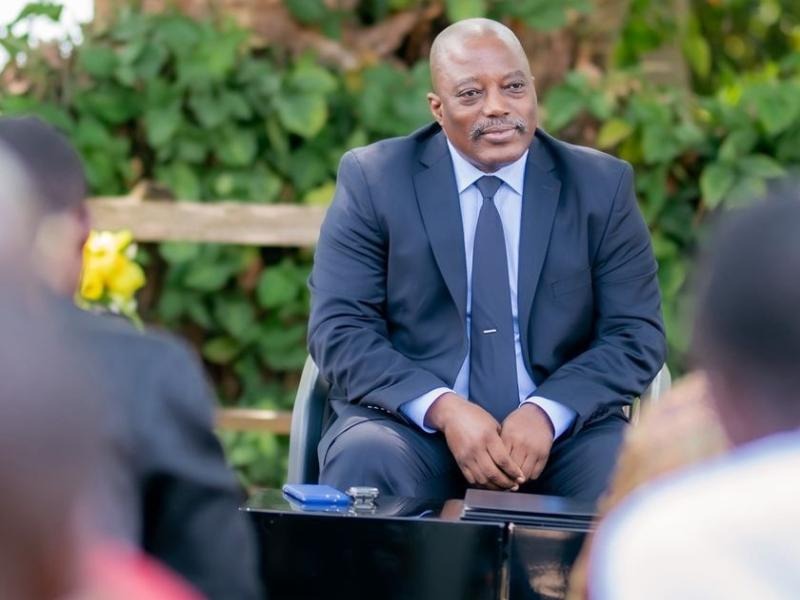
In a significant shift, President Romuald Wadagni of Bénin has embarked on a series of high-level visits to Abuja, Niamey, and Ouagadougou, signaling a renewed commitment to restoring and strengthening diplomatic ties across the subregion. This strategic realignment underscores the pressing need to address both economic interdependence and shared security challenges that have grown increasingly complex in recent years.
Economic and logistical ties: a foundation for regional growth
The economic landscapes of Bénin, Niger, and Burkina Faso are deeply intertwined, creating a relationship of mutual dependence that cannot be ignored. For landlocked Niger and Burkina Faso, access to global markets and the seamless transit of essential goods rely heavily on the port infrastructure and road networks of coastal nations, with Bénin playing a pivotal role through its Cotonou-Niamey corridor and connections to Ouagadougou.
Conversely, Bénin’s own economic vitality—particularly the operations of the Port Autonome de Cotonou and the efficiency of its logistics sector—is closely tied to the volume of goods transiting to and from Sahelian markets. This structural symbiosis extends to the energy sector as well, exemplified by the pipeline linking the Agadem oil fields to the Sèmè-Kpodji terminal. This critical infrastructure binds the economies together: Niger relies on Bénin’s facilities to export its crude oil, while Bénin depends on the flow of Nigerian oil to sustain transit revenues. The recent agreement to establish a 15-day expert committee to identify and remove obstacles to free movement highlights the urgency of safeguarding these reciprocal interests, which are vital for maintaining the fluidity of the hinterland.
Strengthening transboundary security in a volatile region
The resurgence of diplomatic engagement also responds to escalating security threats that transcend national borders. Burkina Faso and Niger share with Bénin a strategically vital and vulnerable area: the interconnected W Park region. The persistence of armed non-state groups and cross-border banditry has made it clear that no single nation can address these asymmetric threats alone.
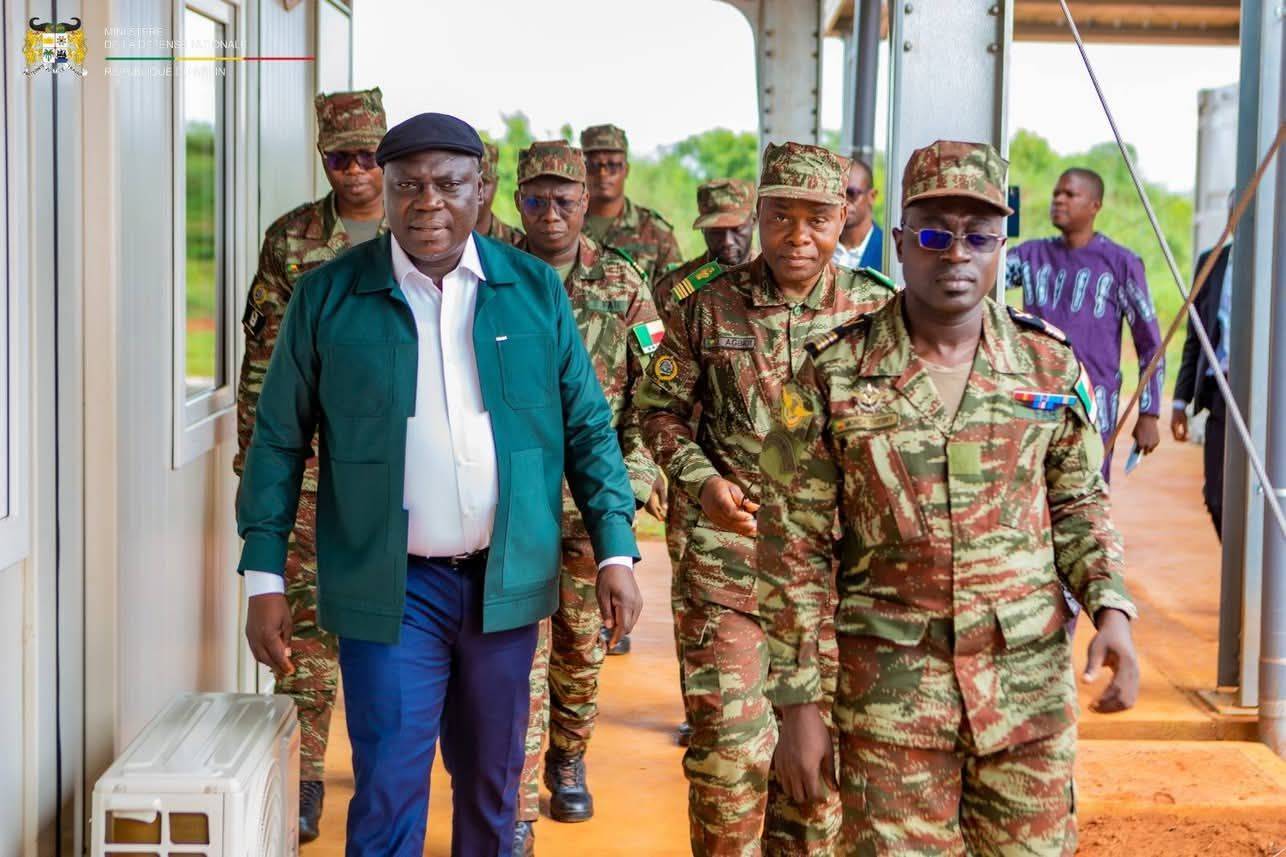
By restoring direct security dialogues with Niamey and Ouagadougou, Bénin is prioritizing a collaborative approach to regional stability. This includes sharing critical intelligence, resolving local military misunderstandings, and reinstating joint operational mechanisms such as coordinated patrols and information exchanges. The move is not merely diplomatic—it is a strategic imperative driven by national security concerns, as Bénin’s territorial integrity is inextricably linked to the stability of the broader Sahel.
Navigating regional alliances while preserving bilateral dialogue
The timing of this diplomatic offensive is deliberate, reflecting a broader strategy to reconcile regional commitments with practical bilateral engagement. The initial visit to Abuja—a key hub of the ECOWAS—followed by subsequent stops in Niamey and Ouagadougou, demonstrates a clear intent to serve as a functional bridge between nations.
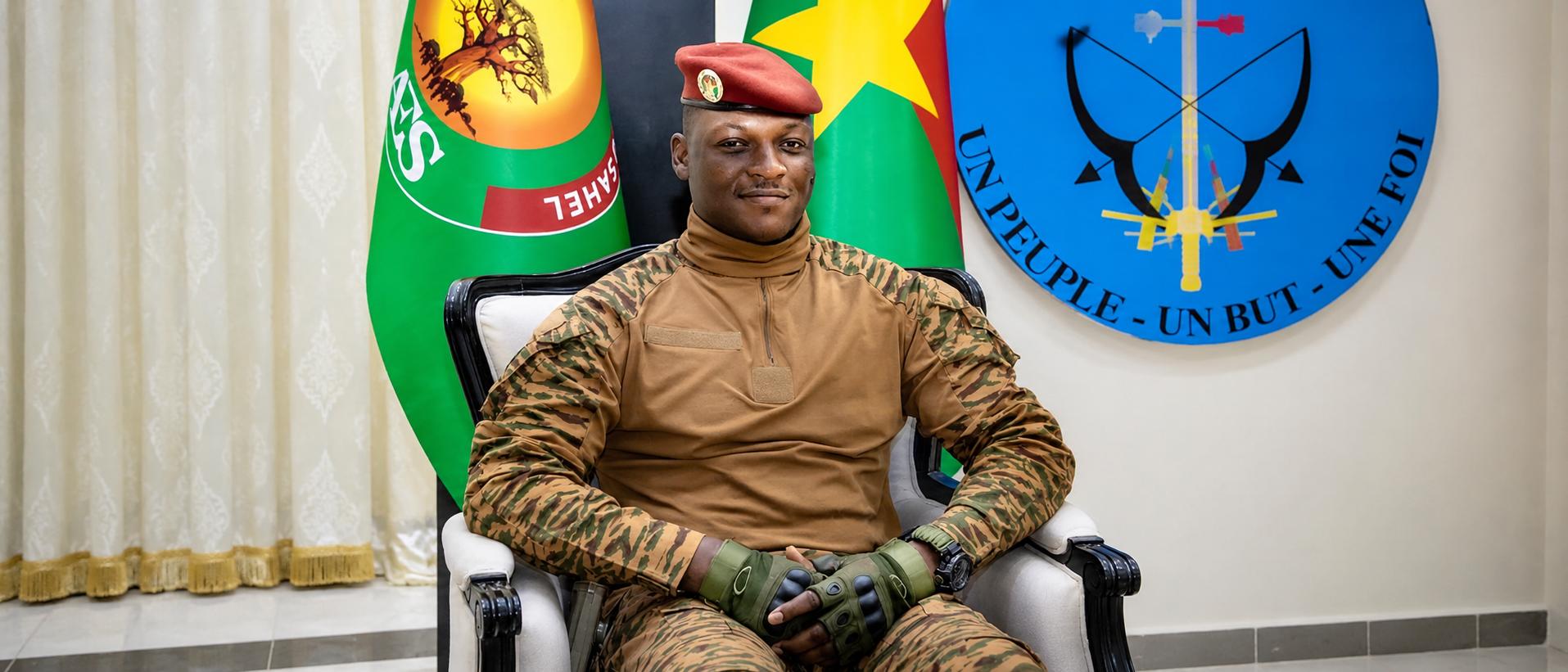
This approach aims to balance cooperation with the Alliance of Sahel States (AES) while upholding essential West African regional obligations. In a period marked by shifting geopolitical dynamics, the preservation of these direct negotiation channels is seen as a linchpin for reducing global geopolitical risk, fostering economic recovery, and ensuring the safety of local populations.
The recent official trips are rooted in a pragmatic assessment of geography, collective border security, and the performance of shared economic infrastructures. Ultimately, this normalization effort reflects the technical necessity of aligning sovereign imperatives with the operational realities of regional interdependence.