Dakar 2026: pioneering a sustainable legacy for youth olympic games

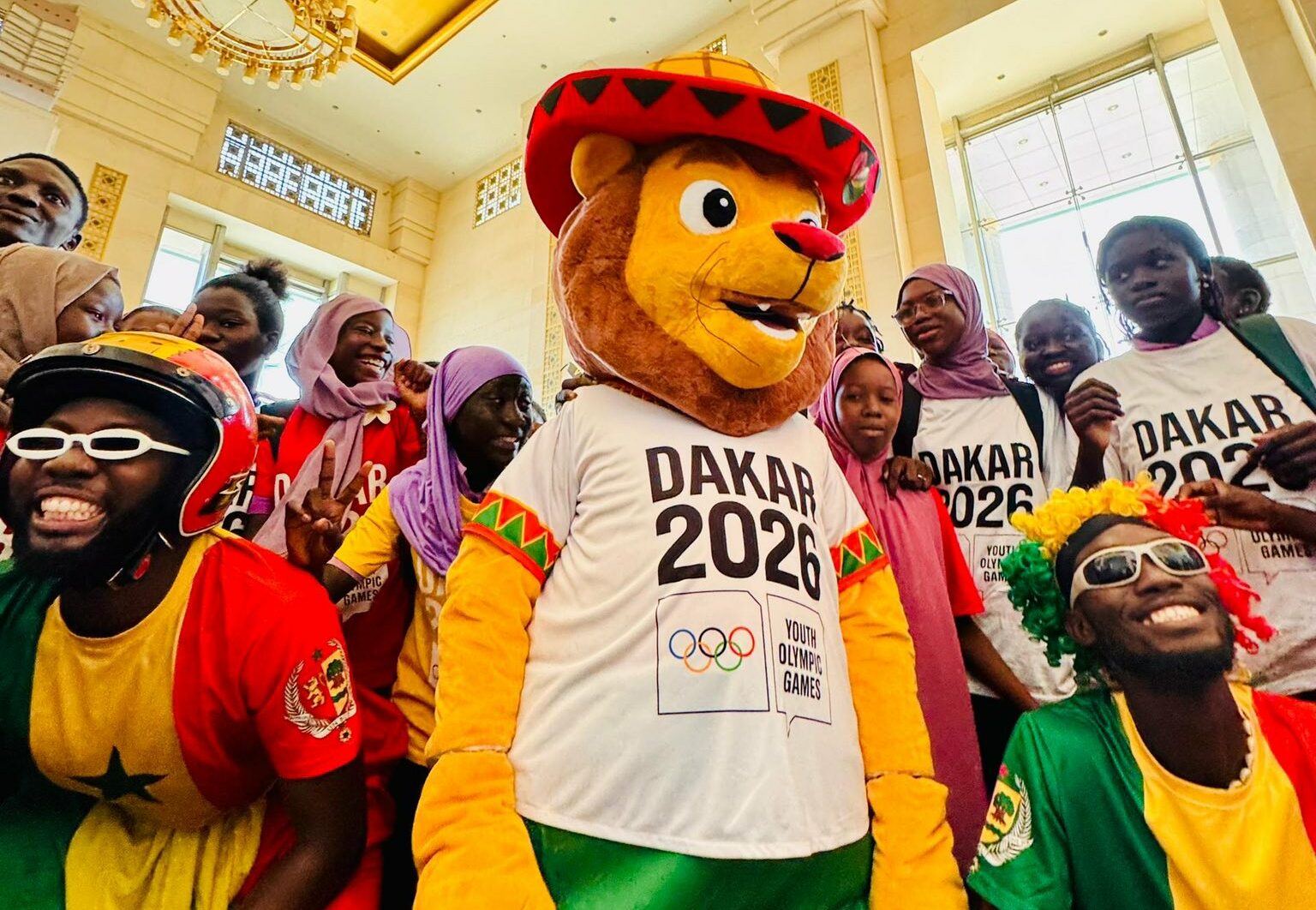
The upcoming Youth Olympic Games (JOJ) in Dakar 2026 are set to embrace a bold commitment: hosting a plastic pollution-free event. This ambitious pledge is spearheaded by the Dakar 2026 organizing committee and Sénégal’s Ministry of Environment and Ecological Transition, significantly bolstered by the support of the United Nations Development Programme (PNUD). Several core principles will guide these historic Games, ensuring a profound and lasting environmental impact.
Key initiatives include a strong focus on minimizing single-use plastics, implementing robust waste sorting and collection systems across all venues, and actively engaging athletes, spectators, and local communities through comprehensive awareness campaigns. Furthermore, the effort seeks to galvanize institutions, the private sector, and civil society to collectively contribute to a sustainable environmental legacy that extends far beyond the duration of the Games.
The Dakar 2026 organizing committee expressed great enthusiasm, highlighting that this initiative will establish the event as a benchmark for sustainable sporting events, simultaneously accelerating Sénégal’s transition toward a circular plastics economy. Fatou Leigh, the interim Resident Representative for PNUD Sénégal, emphasized the broader vision: “We are not merely launching an environmental project. We are initiating an ambition to demonstrate how a major international event like the Dakar 2026 Youth Olympic Games can drive the shift towards a more responsible and sustainable circular economy.”
Aliou Gory Diouf, the Minister of Environment and Ecological Transition, underscored the immense significance of this opportunity for Sénégal. “The Youth Olympic Games present an exceptional chance for us,” he stated. “We are determined to prove that Sénégal can successfully organize the first Olympic event in African history, while simultaneously leaving an environmental legacy as substantial as its sporting one. Our aspiration transcends the immediate commitments of the Games; we aim for the responsible behaviors adopted during this period to become an ingrained cultural norm.”