Congo’s democracy debate intensifies with new referendum law
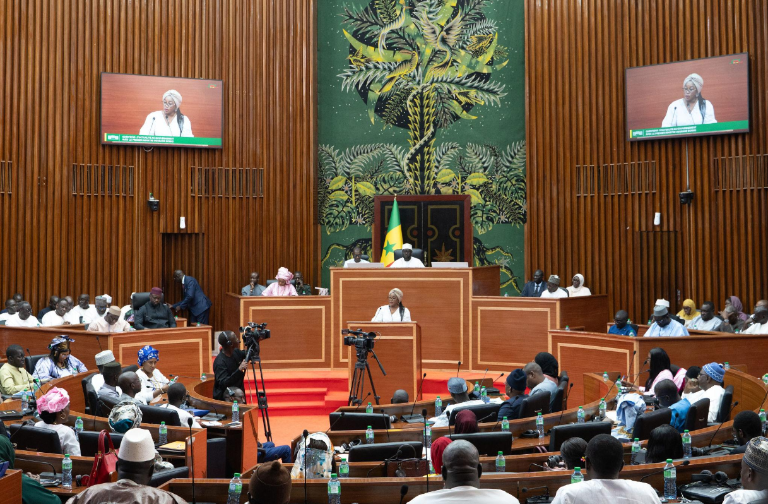
Two decades after the landmark 2005 referendum law, lawmakers in Kinshasa have approved a fresh legislative framework to regulate the organization of future referendums, particularly in cases involving constitutional amendments.
Critics argue the new law paves the way for President Félix Tshisekedi to pursue a third consecutive term, while supporters claim it strengthens democratic principles by ensuring major constitutional changes reflect the will of the people. The debate has sparked sharp divisions among jurists, politicians, and citizens alike.
The heart of the constitutional debate
Advocates of the reform emphasize its alignment with the principle of sovereignty of the people. Maria Eloyi, a Kinshasa-based legal expert, asserts that since the Constitution itself is the voice of the people, any modifications must go through a referendum—regardless of political motivations. “This isn’t just about politics,” she explains. “Our Constitution contains articles that require updates, and the referendum ensures those changes truly represent the people’s will.”
Young Kinois like Placide Lukeka share this perspective. “I’ve long supported constitutional reform,” he says. “Those who claim it’s purely political are mistaken. A new Republic could bring positive change for our nation.”
Growing public skepticism
Not everyone believes the timing or intent of the law serves the public interest. Critics like Ange Aloki point out that the referendum debate distracts from more pressing national issues. “Why focus on this now, two years before elections?” she questions. “Where were they before when the Constitution needed changes?”
A legal battle ahead
The new law has also ignited a legal firestorm. Godefroy Mwanabwato, a lawyer from Tshopo Province, believes parts—or all—of the legislation could be struck down by the Constitutional Court. “The Court may remove provisions that exceed the legislature’s authority to regulate referendums,” he warns.
Meanwhile, opposition lawmakers have boycotted the law’s passage, with their leaders calling for a city-wide strike on June 3 and a sit-in on June 13. The political divide underscores the deep uncertainty surrounding the law’s implications for Congo’s democratic future.
What’s next?
As the debate rages on, one question looms large: Will the new referendum law strengthen democracy—or become a tool for political maneuvering? Only time will tell how the Constitution Court and public opinion shape its legacy.