
Cholera outbreak in Niger raises health concerns
Cholera outbreak in Niger: health authorities on high alert
Over 600 cholera cases have been reported in recent weeks in the Nigerien regions of Maradi and Zinder. Health officials are mobilizing to contain the outbreak amid heavy seasonal rains.
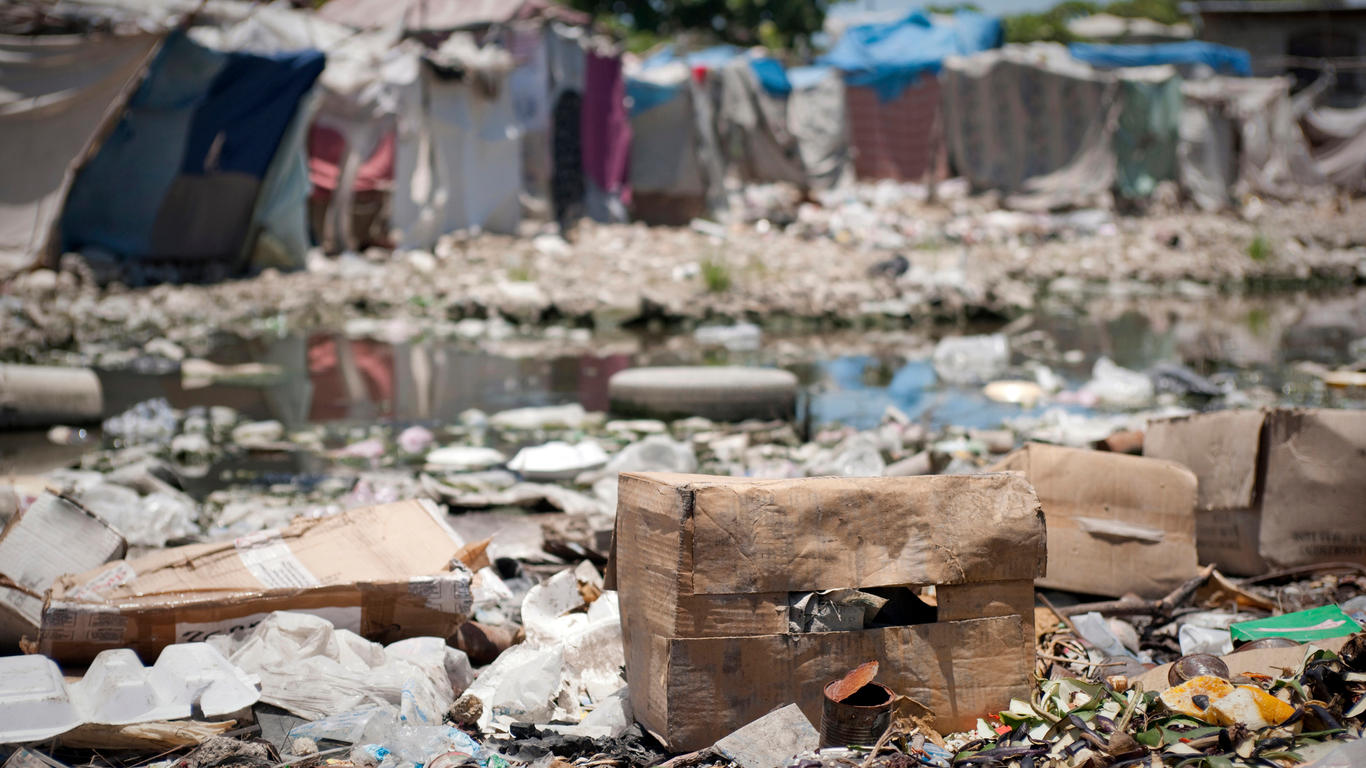
Heavy rainfall along the Niger-Nigeria border has triggered a fresh surge in cholera cases. This acute intestinal infection stems from bacteria thriving in contaminated and stagnant water sources. Authorities have confirmed over 600 cases across affected regions, with 400 recoveries and 156 patients currently receiving treatment.
How cholera spreads and why prevention matters
Transmission occurs through contaminated water or food. The disease spreads rapidly in areas lacking proper sanitation, inadequate waste management, and insufficient access to clean drinking water. Poor hygiene practices further exacerbate the risk of contamination. Health experts emphasize the urgent need for improved sanitation infrastructure and public awareness campaigns to curb the outbreak.
Rising vulnerability in Niger
Cholera has reappeared intermittently in Niger since the last major outbreak in 2018. Due to waning immunity in local populations, communities are now more susceptible than ever. The current situation is compounded by relentless seasonal downpours, which create ideal conditions for bacterial proliferation.
Response efforts and long-term solutions
In response, health authorities have established dedicated treatment centers in the hardest-hit areas, where at least 19 lives have been claimed by the disease. Healthcare workers are actively engaging with communities to promote free treatment access and educate residents on preventive measures. However, experts warn that sustainable control of cholera in Niger requires a comprehensive overhaul of sanitation systems and water supply networks.