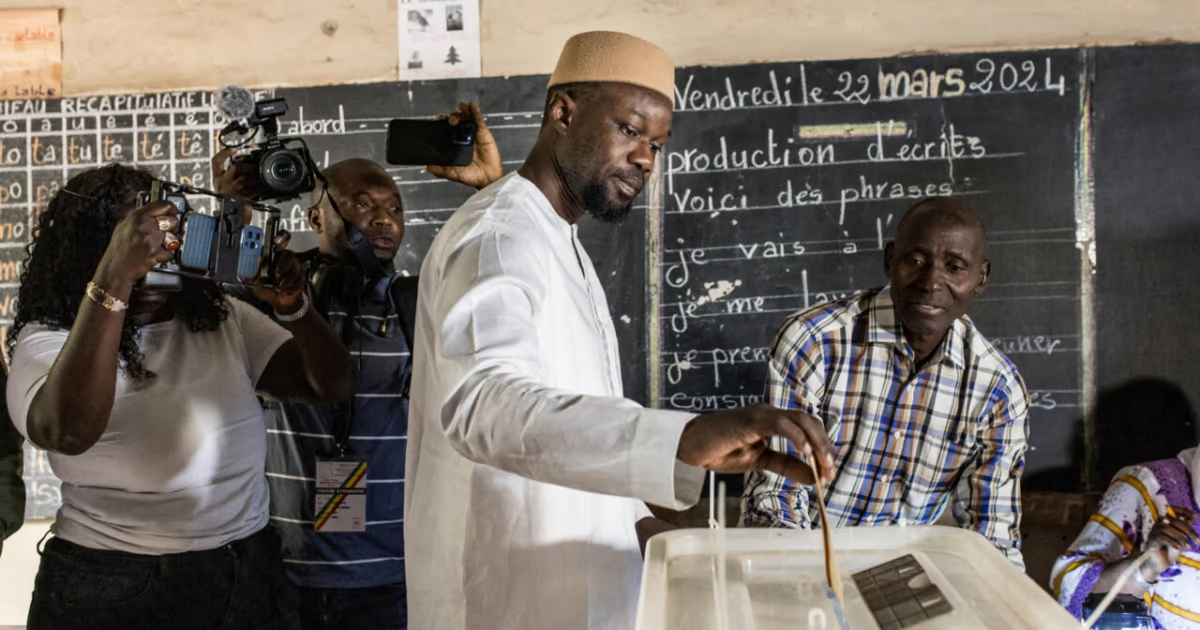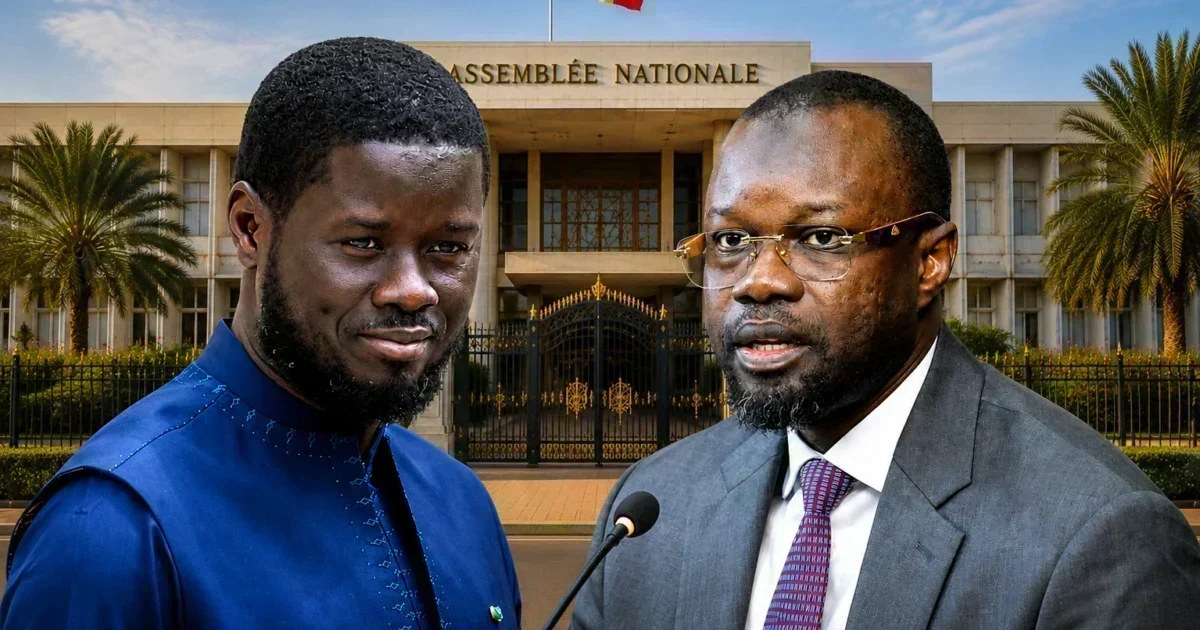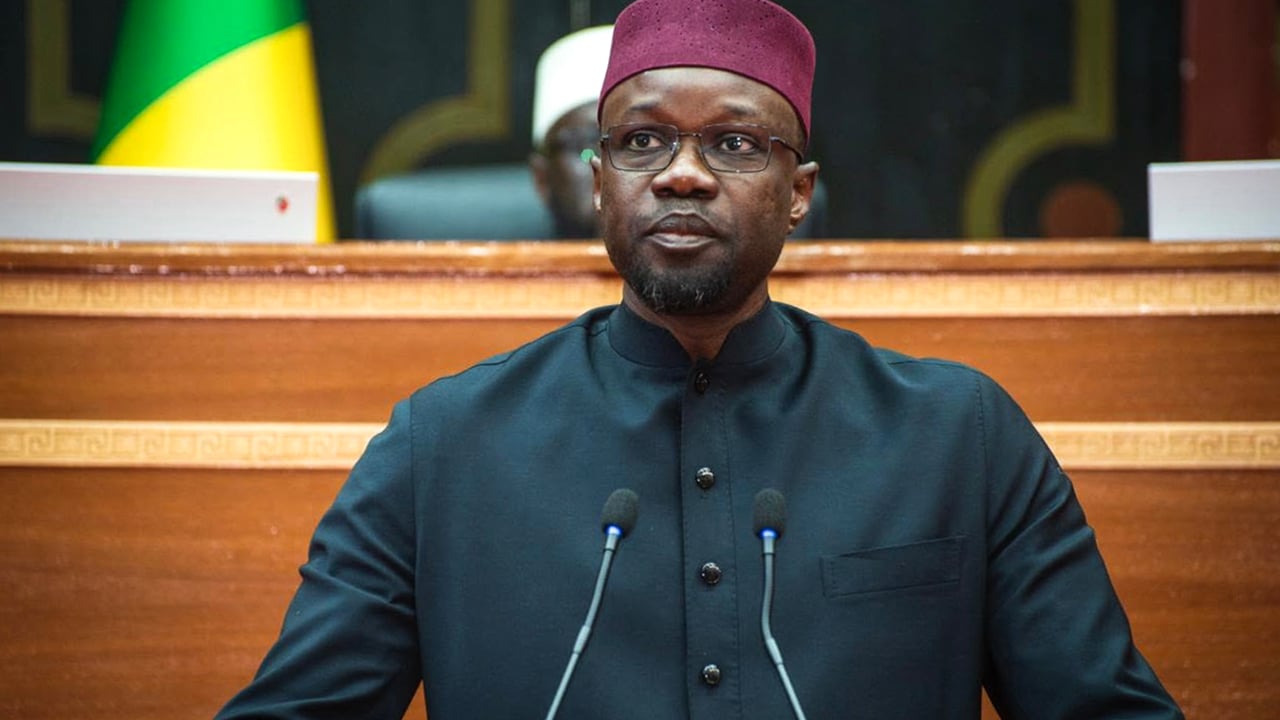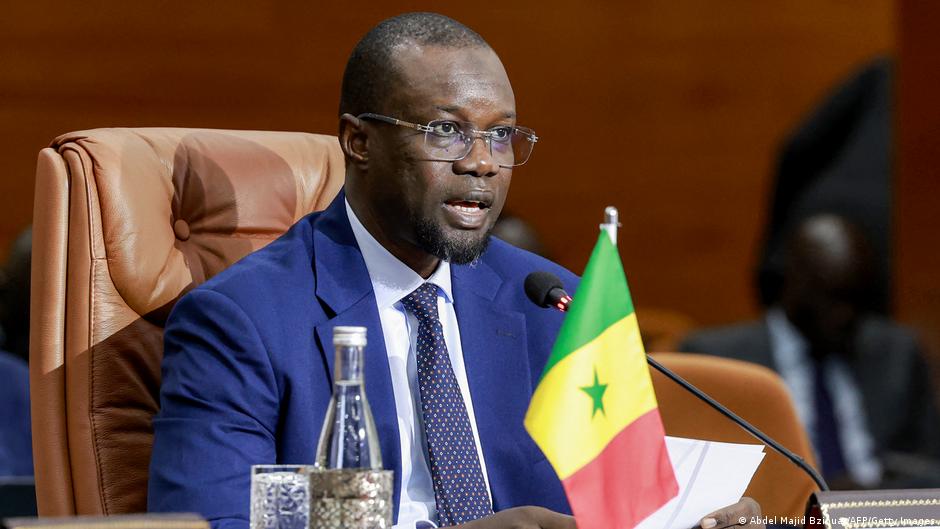
The political climate in Senegal has grown increasingly tense since the rise of Ousmane Sonko, now President of the National Assembly, and Bassirou Diomaye Faye, the country’s president. Civil society leaders and journalists warn that the atmosphere of intimidation is stifling open debate. Those who dare to criticize Sonko often face harsh backlash on social media, fueled by his party’s most ardent supporters.
This climate of fear has led many to self-censor, avoiding public criticism of Sonko to prevent digital or physical retaliation. The situation escalated shortly after Sonko took office as Prime Minister in April 2024, when he issued a stark warning to the media:
“We will no longer tolerate media outlets publishing whatever they wish about individuals under the guise of press freedom, without credible sources.”
Under fire: the judiciary in the crosshairs
Sonko has repeatedly challenged Senegal’s judicial system, alleging that some magistrates obstruct financial investigations, perpetuating what he describes as the entrenched ‘system’ he has long opposed. In November 2025, during a public meeting, he singled out judges for resisting his government’s efforts to root out corruption, sparking outrage among legal professionals.
Women’s rights: setbacks in equality and protection
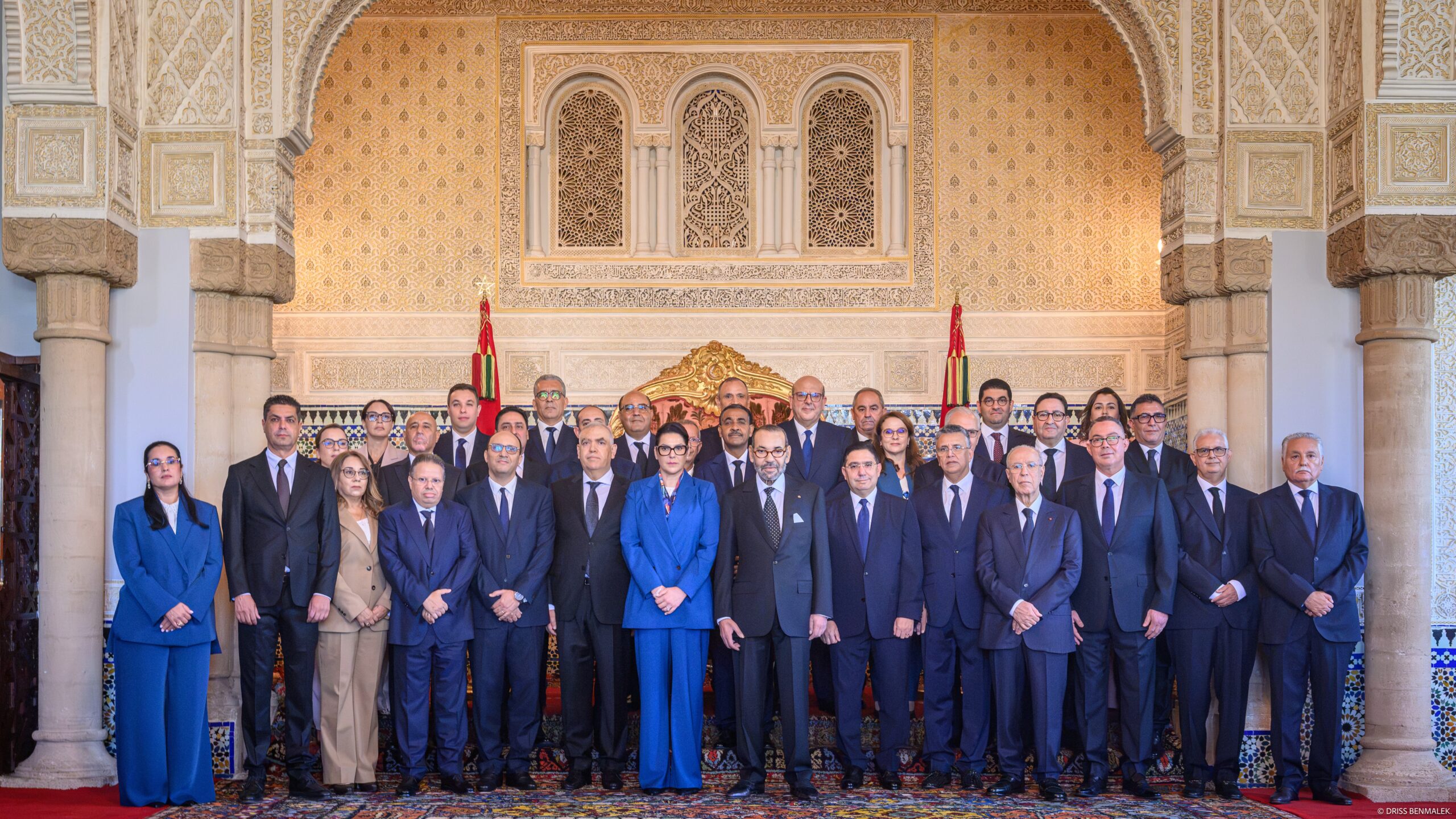
Women’s rights advocates in Senegal are sounding the alarm over growing setbacks in gender equality and protections. Ossama Monique Sagna, a prominent feminist activist, points to the underrepresentation of women in government as a key concern. Under Macky Sall’s final administration, there were seven female ministers. In contrast, Sonko’s government—before recent changes—had only four, representing roughly 13% of cabinet positions. This decline has sparked widespread criticism and disappointment.
“First, there were fewer women ministers than in the last Sall government. This is a clear regression in women’s political representation in decision-making spheres,” Sagna noted.
She also highlights the stagnation of structural reforms critical to women’s rights, including the long-delayed overhaul of the Family Code, which still contains discriminatory provisions. The effective implementation of the Maputo Protocol—particularly on reproductive rights and protections against gender-based violence—remains a distant goal. Feminicide cases have surged in recent years, with 18 reported in 2025 alone. Activists express frustration over the lack of decisive government action to address these pressing issues.