Challenging Ousmane Sonko in Senegal carries high risks
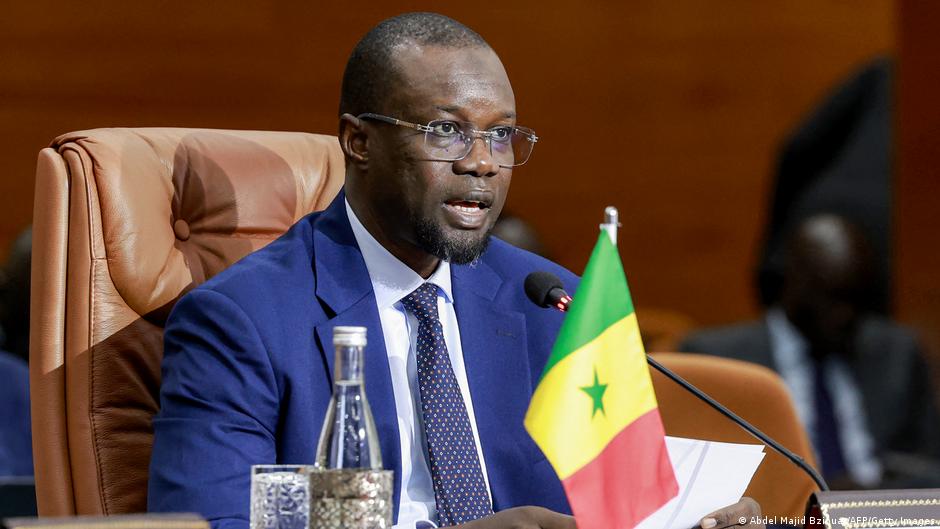
In Senegal, openly criticizing Ousmane Sonko has become a high-stakes gamble. The growing influence of his most fervent supporters on social media has created an environment where dissent is met with swift and often aggressive online backlash. This dynamic has left many politicians, journalists, and civil society members walking a tightrope—hesitant to voice their opinions for fear of repercussions.
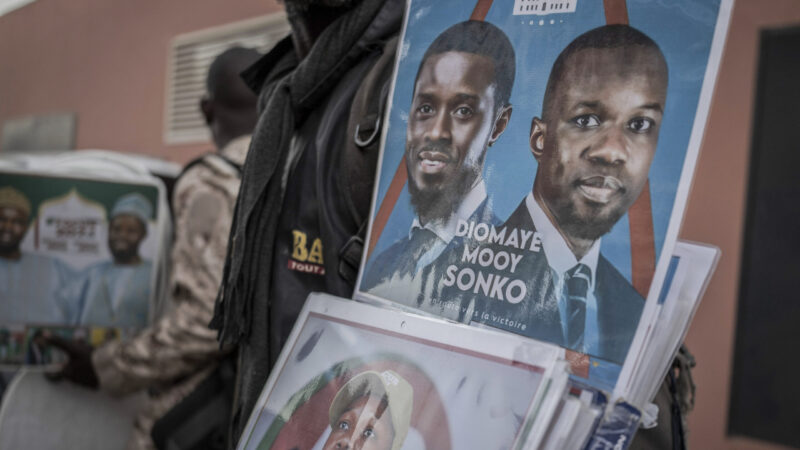
The political climate has grown increasingly tense since President Bassirou Diomaye Faye and National Assembly President Ousmane Sonko locked horns. Civil society leaders and media professionals have raised alarms about the climate of intimidation permeating Senegal. Those who dare to challenge Sonko’s policies or character face relentless smear campaigns on social media, orchestrated by hardline members of his PASTEF party. The fear of digital or physical reprisals has led many to self-censor their public remarks, stifling open debate.
Ousmane Sonko’s rhetoric has further escalated tensions. Shortly after assuming office as Prime Minister in early April 2024, he issued a stern warning to media outlets:
“We will no longer tolerate media outlets publishing whatever they wish about individuals under the guise of press freedom, without verifiable sources.”
Judicial independence under scrutiny
Sonko has repeatedly questioned the integrity of Senegal’s judicial system. In November 2025, during a public address, he accused certain magistrates of obstructing financial investigations, perpetuating the very systemic flaws he has long condemned. His remarks sparked outrage among legal professionals, who view them as an affront to judicial independence.
Women’s rights face growing setbacks
Women’s rights advocates are also sounding the alarm. Despite a gender parity law enacted in 2010, its implementation remains inconsistent. Ossama Monique Sagna, a prominent Senegalese feminist activist, highlights a troubling decline in female representation in government.
“The current administration has fewer women ministers than the final cabinet of Macky Sall’s presidency,” she notes. “This is a clear regression in women’s political representation.”
While Sall’s last government included seven women, Sonko’s cabinet, before his recent dismissal, had only four—a drop to roughly 13% of ministerial positions. This shift has drawn sharp criticism from the public, reinforcing concerns about the government’s commitment to gender equality.
Sagna adds that core feminist demands remain unaddressed:
“Structural progress has stalled. Discussions continue about reforming the Family Code to eliminate discriminatory provisions, but little action has been taken. The Maputo Protocol, which addresses reproductive rights and protections against gender-based violence, also remains largely unimplemented. The rise in feminicides—18 reported in 2025 alone—exposes the government’s failure to act decisively.”
The combination of political intimidation, judicial criticism, and stalled gender equality initiatives is reshaping Senegal’s democratic landscape. As debates grow louder, the risks of speaking out against Ousmane Sonko become ever more apparent.