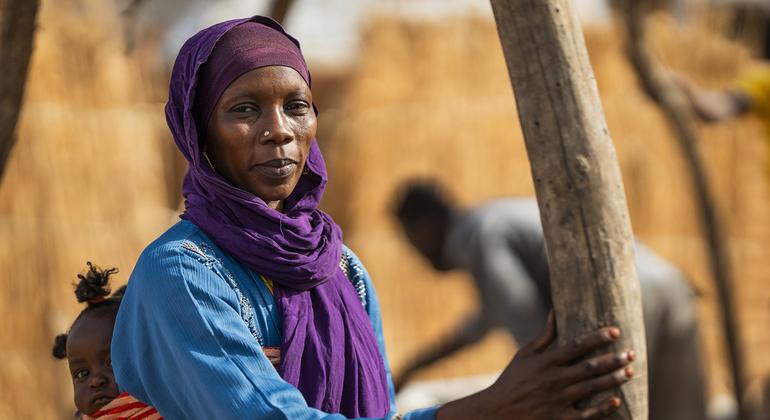
Amid the ongoing conflict in Sudan, Chad has emerged as the primary host for displaced people in Central Africa. While recent reports in Sahel news English suggest a minor stabilization in the regional humanitarian outlook, Chad remains one of the most fragile nations on the continent, struggling to support four million people in need of urgent aid.
Key developments in the region
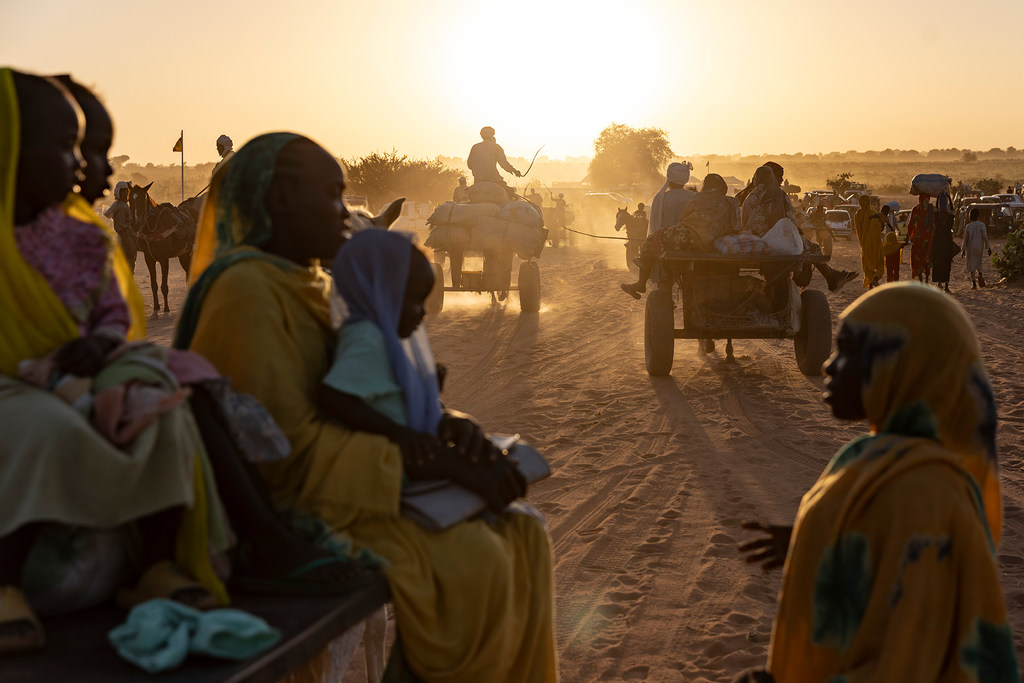
The violent power struggle that erupted in Sudan in April 2023 has forced 14 million people from their homes. According to international monitors, the fallout is destabilizing all seven neighboring countries. Chad is feeling this pressure most acutely, currently hosting the highest number of refugees per capita in Africa.
International observers have praised the Chadian government’s solidarity, noting that the country has kept its eastern borders open despite its own internal vulnerabilities. Since the war began, over 900,000 Sudanese nationals have sought safety in Chad, even as 40% of the local population requires some form of humanitarian assistance.
The significance of the Chadian crisis
Known for its immense cultural diversity with over 200 ethnic groups, Chad is grappling with a convergence of crises. More than 42% of its citizens live in extreme poverty, placing it among the world’s most economically disadvantaged nations. Today, Chad hosts a total of 1.5 million refugees while simultaneously managing severe climate disasters and a volatile security Sahel environment.
Environmental shocks and food insecurity
The nation’s identity is deeply tied to Lake Chad, yet this vital water source is disappearing due to climate change. In 2024, devastating floods ruined 432,000 hectares of farmland—an area comparable to 600,000 football pitches. This disaster crippled food production and triggered cholera outbreaks due to damaged sanitation systems.
The humanitarian Sahel crisis is particularly visible in malnutrition rates. Experts predict that between late 2025 and 2026, approximately two million Chadian children under five will suffer from acute malnutrition, with nearly half a million facing life-threatening conditions.
Security challenges and internal displacement
Violence remains a persistent threat. Insurgent groups like Boko Haram continue to terrorize the Lake Chad basin, displacing a quarter of a million people internally. In northern Chad, illegal coal mining and trafficking networks are rampant, often linked to child labor and gender-based violence. With women and children making up 87% of the refugee population, the need for protection is critical.
Global intervention and the road ahead
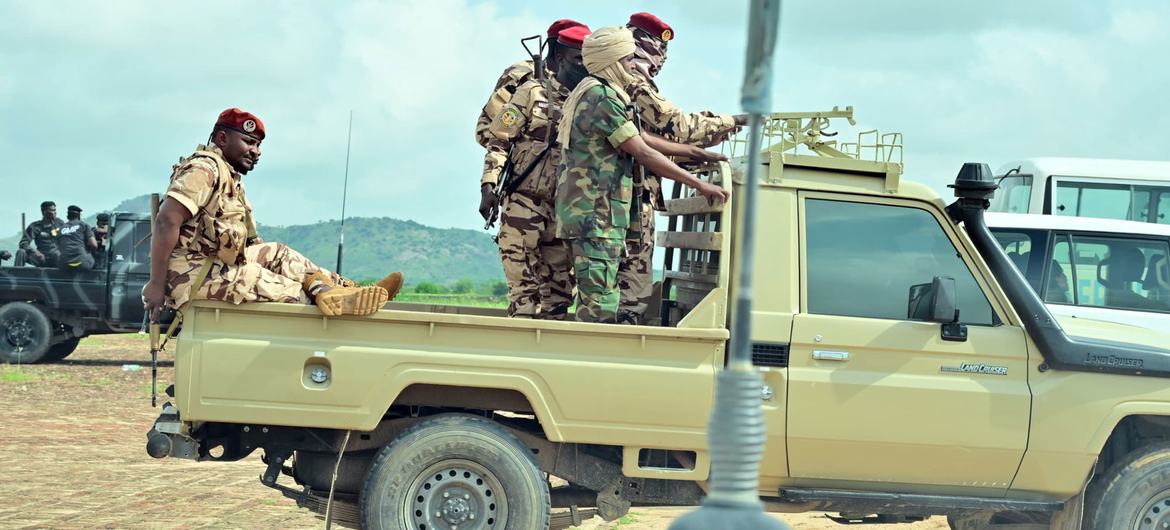
Since the conflict began, Chadian authorities and international agencies have successfully relocated 67% of Sudanese arrivals to established camps where they can access basic services. A significant diplomatic focus remains on the political Sahel situation, with the UN Security Council scheduled to meet on February 19 to address the violence in Sudan.
The 2026 Humanitarian Action Plan for Chad seeks $986 million to assist 3.4 million people. A large portion of this budget is specifically allocated to refugee support. Aid efforts are being concentrated in the most vulnerable zones, including the eastern border, the Lake province, and southern regions, according to West Africa Sahel news sources.
A story of survival: Radwa’s journey
Radwa Abdelkarim, a 37-year-old mother of six, is a testament to resilience. After fleeing Sudan in 2023, she arrived in Chad with nothing. Using her background as an entrepreneur and a small financial grant, she began baking bread in the Farchana refugee camp.
Today, Radwa manages a restaurant and two grocery stores, providing jobs for 12 other refugees. Her mission is to ensure that other women in the camp have the opportunity to rebuild their lives. “We must stand together so that no one is left behind,” she says, emphasizing the importance of community support in the face of tragedy.