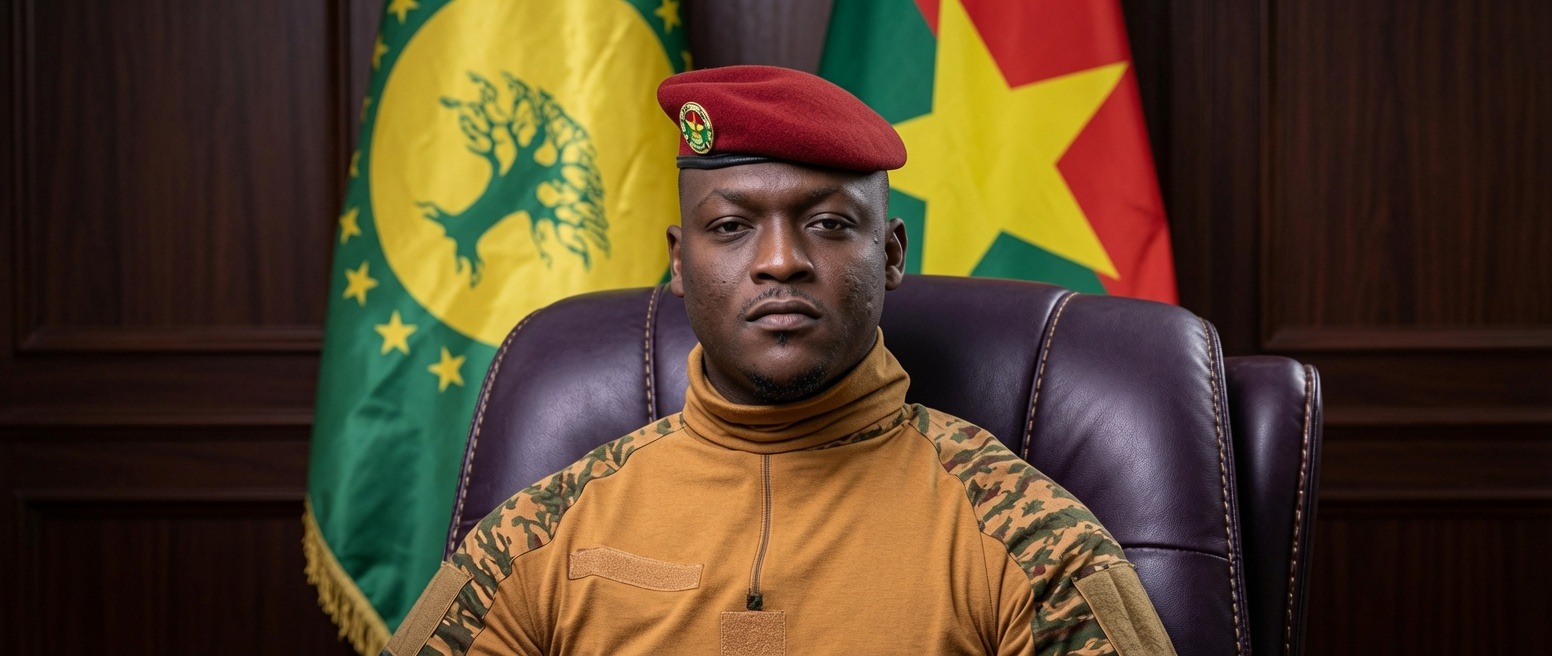
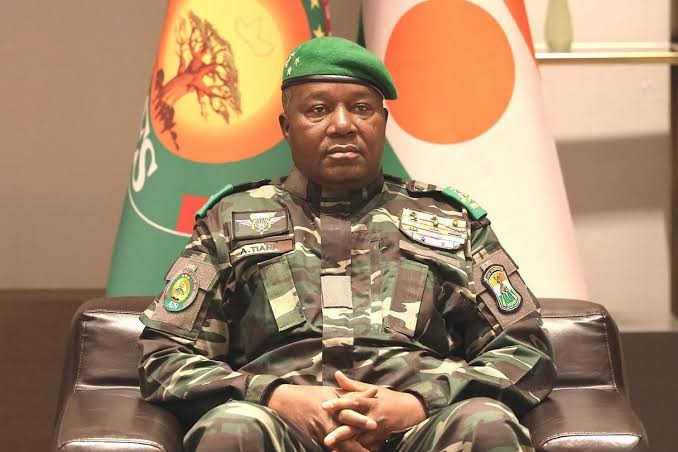
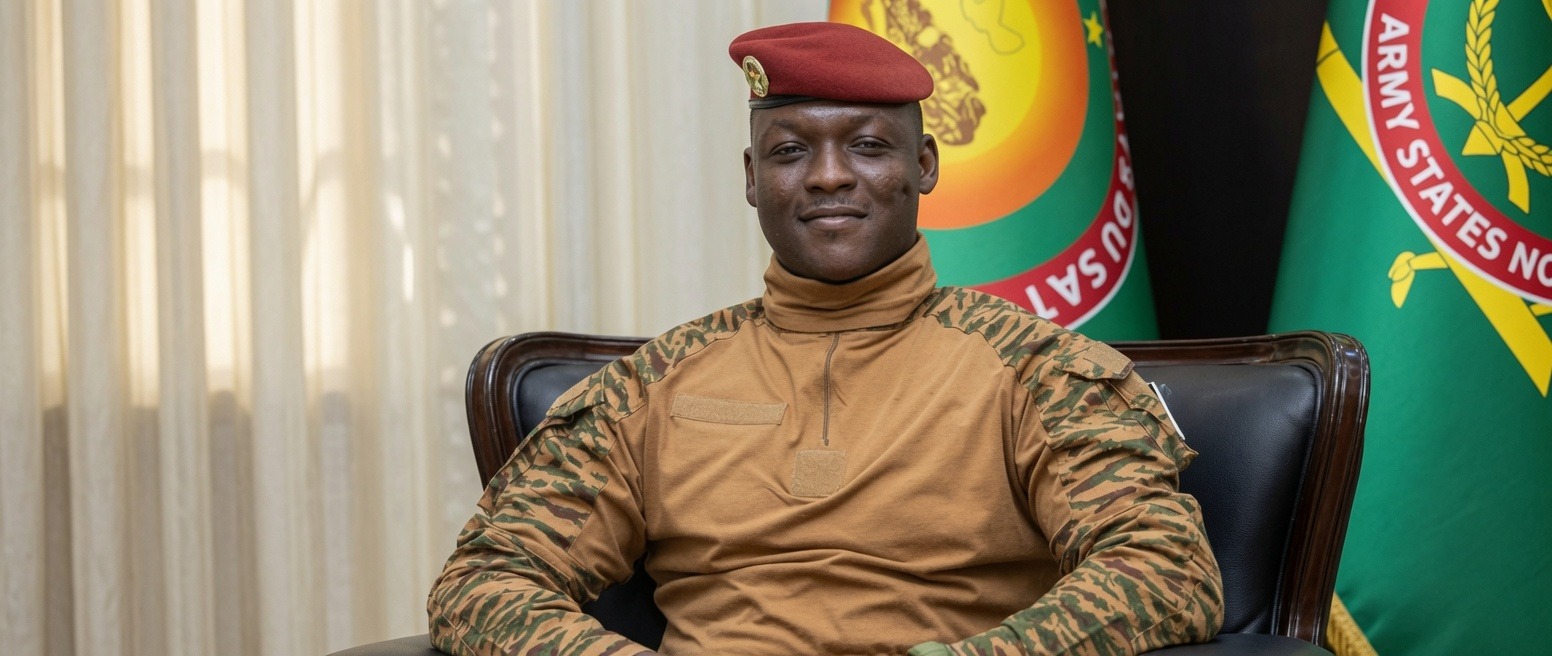
The Burkina Faso transitional government under Captain Ibrahim Traoré has reached a critical juncture.
The once-celebrated leader of the junta now presides over an increasingly autocratic system that brooks no dissent, whether from civil society, religious institutions, or even his own military inner circle. Tensions in Ouagadougou have reached a fever pitch, particularly in the aftermath of events surrounding Tabaski, raising concerns about an imminent collapse of the current administration.
A sacred celebration overshadowed by repression
Tabaski, a time traditionally marked by unity and reflection, instead exposed the profound unease gripping the nation under the present leadership.
Religious leader detained: The arrest of a respected imam during the holy week sent shockwaves through a population already grappling with hardship. Viewed as an assault on fundamental freedoms, the move underscores the regime’s willingness to dismantle moral pillars of society to suppress dissent.
Coerced enlistment and « re-education »: Concurrently, critics and protesters apprehended in recent days have been forcibly dispatched to re-education camps and the front lines. This militarization of punishment signals a shift toward outright repression, with the state apparatus now functioning as a punitive machine rather than an administrative body.
Loss of political rationality
Analysts across the subregion warn that the regime in Ouagadougou has abandoned all pretense of governance. What was once a complex state structure has been reduced to the operational logic of a military camp, where dissent is equated with treason and absolute obedience is demanded of a cadre of sycophants.
A security rift at the highest level
Reports of Oumarou Yabré, Director of the National Intelligence Agency (ANR), being placed under house arrest have sent ripples through diplomatic and security circles. While official channels remain tight-lipped, insider accounts point to a definitive rupture within the state apparatus.
The divide pits Captain Ibrahim Traoré, who seeks to consolidate absolute power and harbors growing suspicion toward his allies, against Oumarou Yabré. The latter, a longtime associate and architect of the junta’s security strategy, now faces allegations of dissent or at least profound disagreements over the country’s security approach and the expanding influence of external partners.
This internal purge reveals the depths of paranoia within the junta. By targeting those who helped build his security framework and facilitate the establishment of Russian networks in Burkina Faso, Traoré is undermining his own foundation.
A looming confrontation at the heart of power
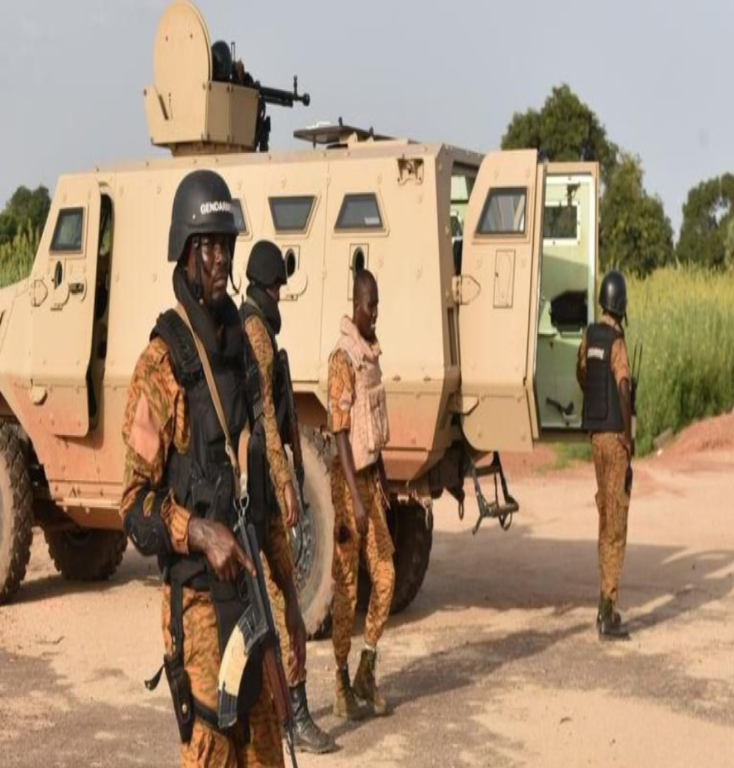
Analysts had long anticipated tensions between these two central figures in the country’s security apparatus. The struggle for control over state institutions, compounded by relentless pressure from armed terrorist groups, has created an explosive environment in Ouagadougou.
The Captain’s alienation of the populace, religious leaders, and even his closest military allies has left him dangerously isolated. History in West Africa serves as a cautionary tale: regimes that govern through fear alone and purge their own ranks inevitably hasten their demise. With pressure mounting in Ouagadougou, the coming days will be pivotal for the nation’s future.