Security tensions have sharply escalated in northern Burkina Faso after a major attack on Sabcé in Bam Province on the morning of June 5, 2026. Armed fighters from the Group for the Support of Islam and Muslims (JNIM) launched a coordinated assault on a military outpost, briefly seizing control before security forces regained the upper hand. The assault underscores persistent vulnerabilities in the national defense system and amplifies the urgent need for stronger regional cooperation.
Sabcé under siege: a deadly dawn ambush
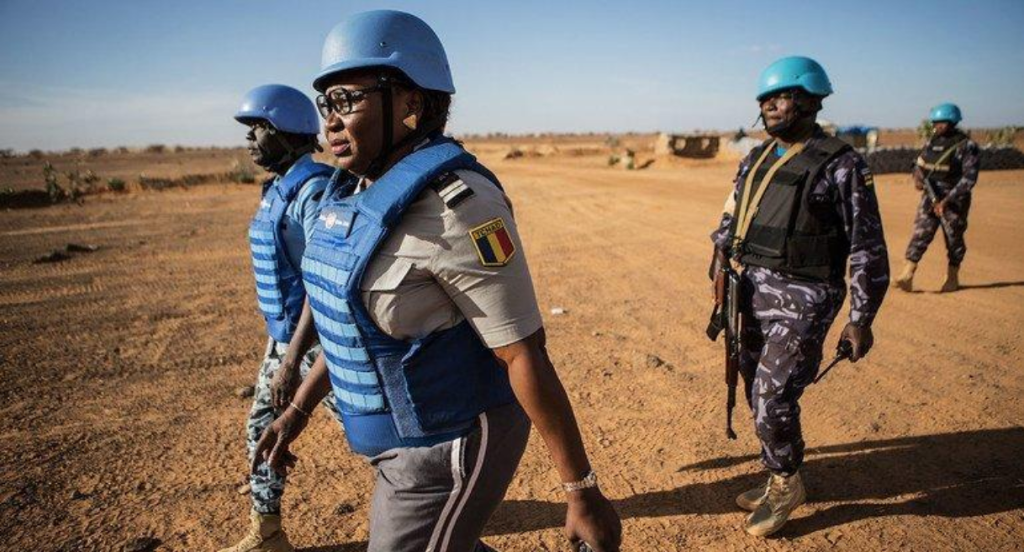
The attack began at first light, catching local forces off guard. JNIM combatants, moving swiftly on motorcycles and armed with heavy weaponry, converged on the strategic military post. Intense gunfire shook the town and surrounding villages, plunging the area into chaos. Despite spirited resistance by Burkinabè Armed Forces and local Volunteers for the Defense of the Homeland (VDP), the attackers overwhelmed the position, looted equipment, and withdrew as aerial reinforcements arrived. While official casualty figures remain pending, the incident has laid bare the fragility of key transit routes linking the north to central Burkina Faso.
Gaps in national security strategy exposed
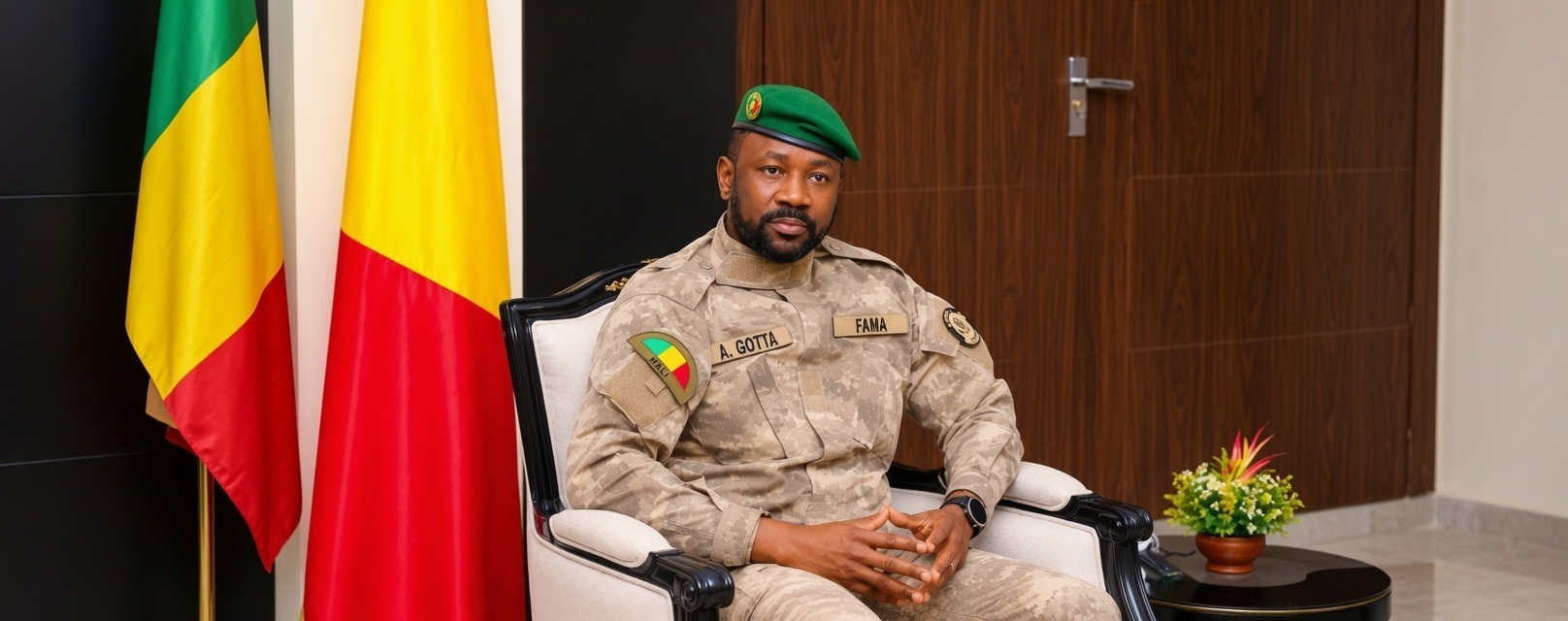
This latest attack in Sabcé lays bare the shortcomings of Burkina Faso’s current security model. Despite increases in troop numbers, procurement of advanced military hardware, and community mobilization through the VDP initiative, terrorist groups continue to exploit gaps with alarming efficiency. Analysts point to delayed intelligence sharing and slow mobilization of ground reinforcements as critical weaknesses. A static defense posture, focused on fixed posts, has proven insufficient against an enemy that thrives on mobility and cross-border movement. To counter this threat, a shift toward proactive, intelligence-driven operations is urgently needed.
President Wadagni’s regional vision gains traction after attack
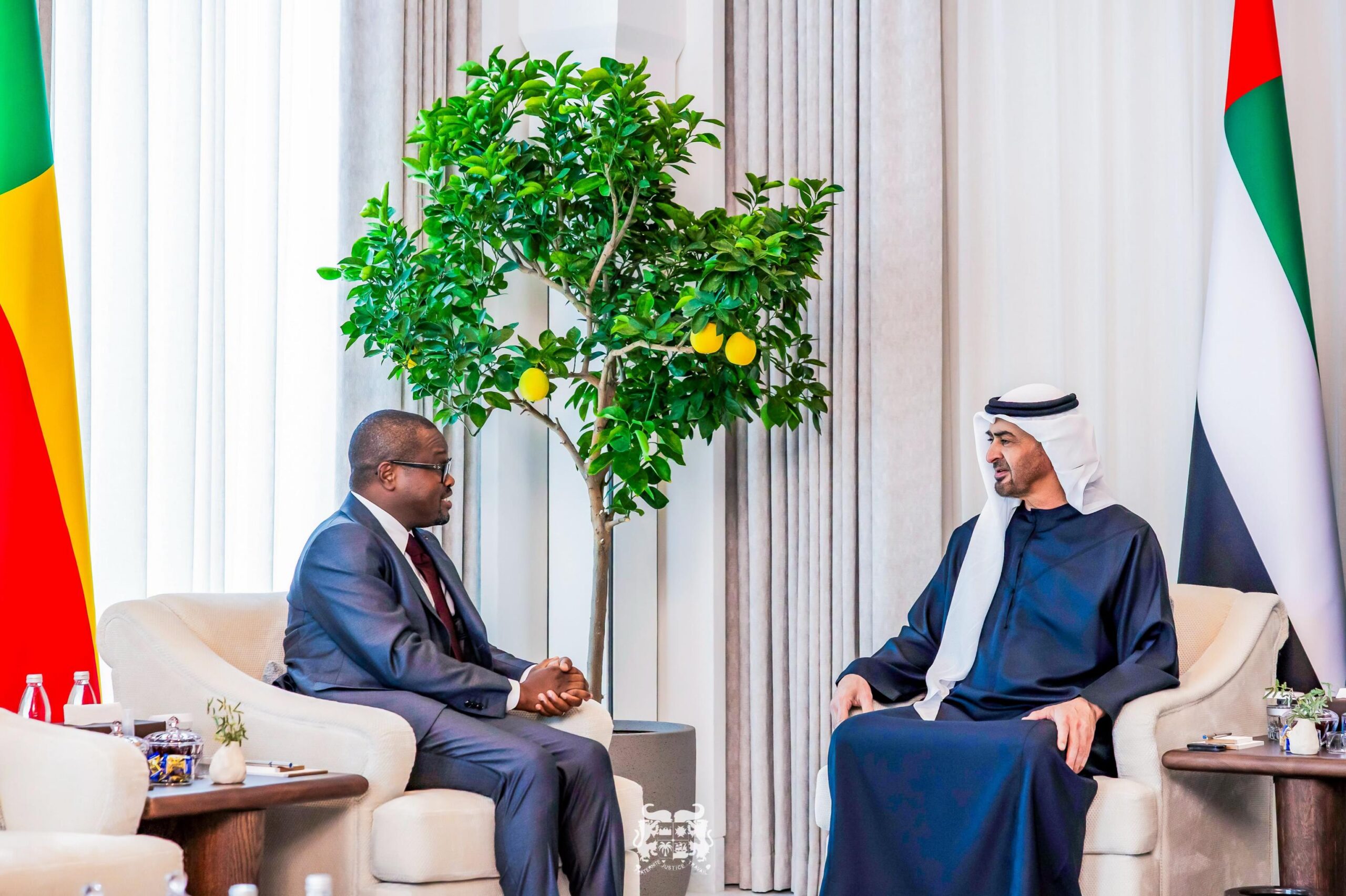
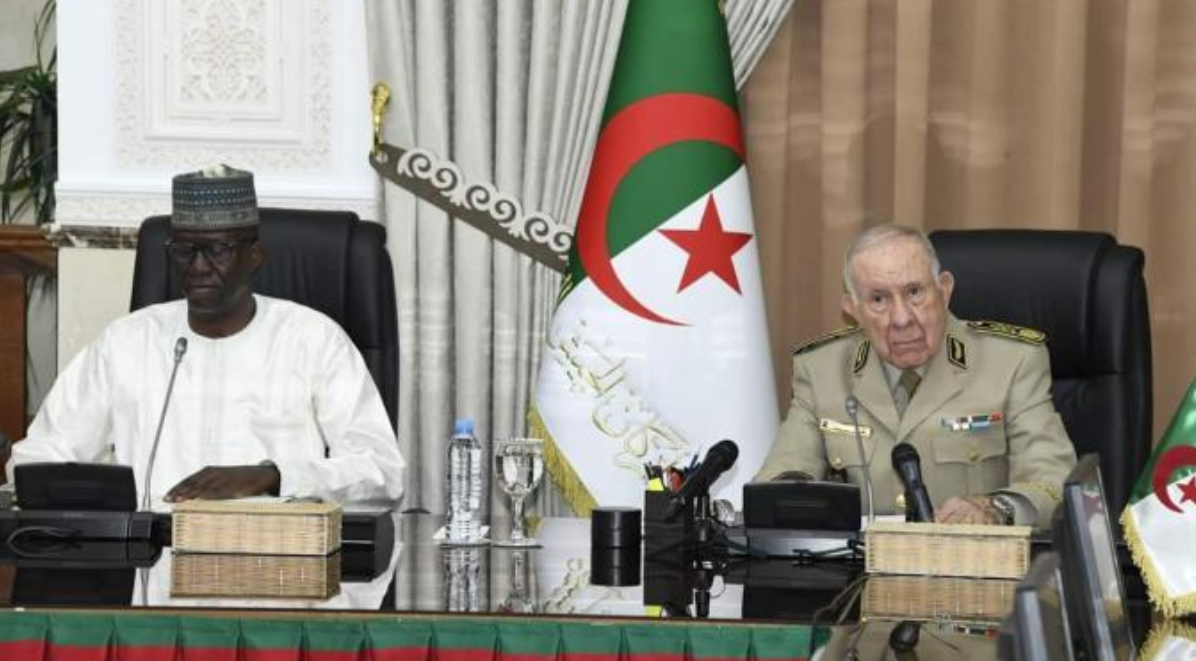
The assault comes at a pivotal moment, validating a bold diplomatic push by Benin’s President Romuald Wadagni. Following his election, Wadagni embarked on strategic state visits to Niger and Burkina Faso, advocating for a unified regional defense strategy. “An enemy without borders demands a defense without borders,” he declared during the rollout of his national security vision. His call for integrated military cooperation and shared intelligence networks has resonated with regional observers, signaling a break from past isolationist tendencies and offering a pragmatic path forward.
From words to action: building a unified front
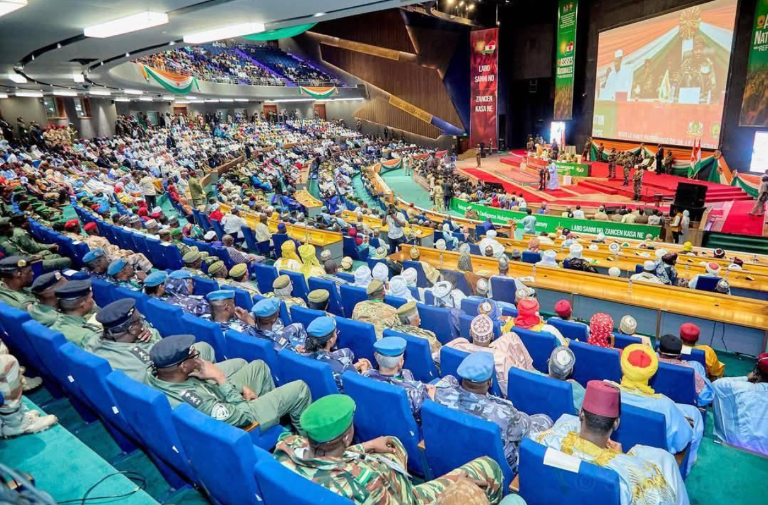
For Wadagni’s initiative to succeed, it must move beyond rhetoric. Terrorist factions like JNIM and ISGS continue to exploit porous borders as safe havens and escape routes. Real collaboration requires live intelligence sharing, joint border patrols, and reciprocal pursuit rights. Benin, Burkina Faso, and Niger share ecological and geographic vulnerabilities—especially in the W Park region—making regional coordination not just strategic, but essential. By reaching out to Ouagadougou and Niamey, Wadagni is laying the groundwork for a collective defense architecture capable of strangling terrorist supply chains and disrupting operational networks.
A defining moment for regional security
The Sabcé attack is more than another incident—it is a stark reminder that Burkina Faso’s security cannot be ensured in isolation. While the nation’s armed forces remain resilient, they are increasingly stretched thin. The path to reversing this tide lies not only in tactical reforms at home, but in embracing regional solidarity. President Wadagni’s proposal offers a lifeline. The time for fragmented strategies is over. The future of stability in the Sahel now hinges on collective action, coordination, and a shared commitment to defeating terror together.