Benin’s tourism boom: how Cotonou is becoming West Africa’s new hotspot
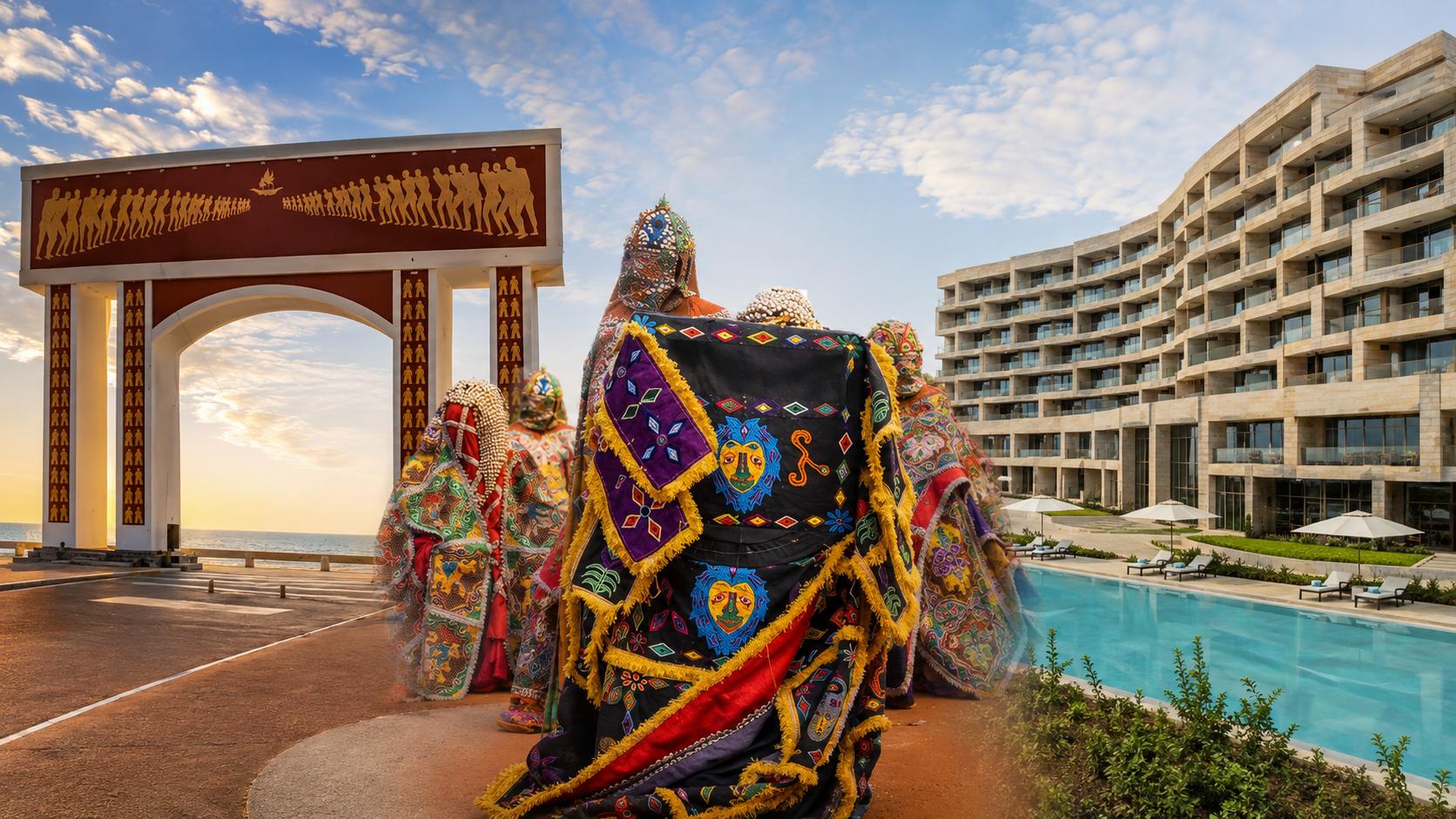
After channeling nearly 2 billion euros into cultural heritage, infrastructure upgrades, and luxury hotels, Benin is emerging as a rising star in West Africa’s tourism scene. Once overshadowed by more established destinations, the country is now drawing a steady stream of regional travelers—especially from its mighty neighbor to the east.
The transformation has been rapid and deliberate. Over the past decade, the government has poured over 1.2 trillion West African francs into revamping Benin’s cultural treasures and hospitality sector. The strategy is paying off: visitor numbers are climbing, fueled by a growing number of tourists from neighboring countries who see Benin as a convenient, affordable, and culturally rich getaway.
Nigeria’s massive market fuels the Cotonou–Lagos tourism corridor
The heartbeat of this tourism surge lies in the growing connection between Lagos and Cotonou. Just 90 minutes by road apart, Nigeria’s economic capital—home to over 20 million people—is serving as a powerful engine for cross-border travel.
Evidence of this momentum is visible at the Sofitel Cotonou Marina, Benin’s first five-star resort opened in late 2024. Weekend occupancy is being driven largely by Nigerian tourists seeking relaxation, leisure, and a quick escape from urban life. The ease of travel is a major factor: Benin’s open visa policy for all African travelers, combined with a direct land route from Lagos, makes the journey smooth and cost-effective—no need for expensive regional flights.
Festivals and traditions turn visitors into ambassadors
Beyond leisure and business travel, Benin is leveraging its deep cultural roots to attract global attention. Major festivals aren’t just celebrations—they’re becoming economic catalysts.
Vodun Days in Ouidah is a prime example. The 2026 edition drew over 740,000 attendees, up from 435,000 in 2025 and just 97,000 at its debut in 2024. Among the 144,000 international visitors, Nigeria ranked third in visitor origin, behind Togo and France, with 14.9% of foreign guests coming from across the border.
Meanwhile, the International Mask Festival in Porto-Novo has also gained momentum. Its third edition featured striking cultural exchanges, including the iconic Eyo mask from Nigeria and the Zaouli mask from Côte d’Ivoire—symbols that resonate deeply with West African audiences.
Big investments prepare Benin for 2 million annual visitors by 2030
To sustain this growth and meet its goal of welcoming 2 million tourists per year by 2030, Benin is accelerating major infrastructure projects:
- International Vodoun Museum (Porto-Novo): A 27 million euro public investment (18 billion FCFA) nearing completion, set to become a world-class destination for cultural education and tourism.
- Club Med Avlékété: A luxury resort with 336 rooms and a 100 million euro investment (65.6 billion FCFA), slated to open in 2027.
- Global hotel chains: Hilton is set to launch in Cotonou in 2028, with additional upscale hotel developments planned for Ouidah.
To further boost economic impact, the 2027 Vodun Days festival will expand to a full seven days (January 2–9), increasing overnight stays and amplifying benefits for local businesses, artisans, and service providers.
With these efforts, Benin isn’t just diversifying its economy—it’s redefining itself as a must-visit destination in West Africa, where culture, convenience, and hospitality converge.