African nations are grappling with an unprecedented debt crisis, one that has tipped the scales between financial obligations and critical public investments. Between 2021 and 2023, debt repayments in Africa eclipsed spending on education for the first time in history. By 2024, nearly 18% of public revenues across the continent were consumed by debt servicing—a threefold increase since 2010. No other region faces such a staggering burden, thrusting debt sustainability to the forefront of finance ministries across the continent.
Amid this challenging environment, the Bénin has emerged as a standout performer. Instead of yielding to external pressure or relying solely on traditional lenders, Cotonou has redefined sovereign debt management as a strategic discipline—one rooted in foresight, precision, and proactive decision-making. This approach is highlighted in an in-depth analysis by Finactu, a leading pan-African advisory firm.
Bénin’s sovereign debt: a model of professionalized risk management
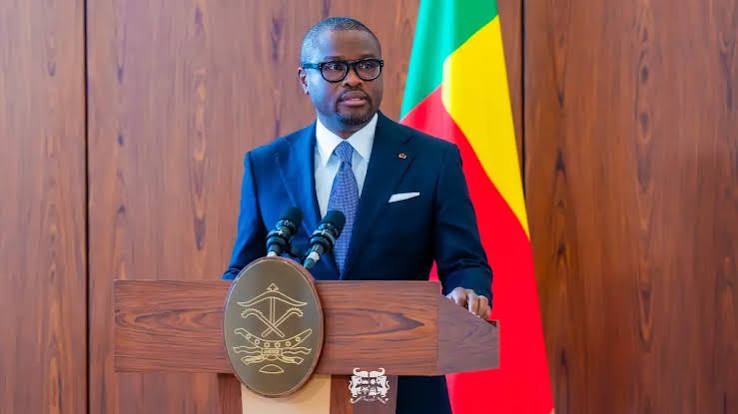
For years, the leadership under Bénin’s Minister of Economy and Finance, Romuald Wadagni, has treated public debt not as a burden, but as a lever of economic strategy. The Caisse autonome d’amortissement (CAA), the national debt management agency, has evolved into a center of excellence. Every financial decision—from issuance currency to maturity profiles—is evaluated through the dual lens of cost optimization and market timing, blending investor discipline with borrower prudence.
This methodology has yielded tangible results. The country has pioneered several groundbreaking financial instruments: the first euro-denominated 14-year sovereign bond from a sub-Saharan African issuer rated below investment grade, early redemption of high-cost debt tranches, strategic use of interest rate swaps to smooth repayment schedules, and targeted issuance of green and social bonds. Each transaction is meticulously structured to lower the weighted average cost of debt and extend duration—two critical indicators of financial resilience.
Credibility as the cornerstone of sustainable debt
Bénin’s success extends beyond financial engineering. It is anchored in a robust and transparent fiscal framework, consistently recognized by international institutions such as the International Monetary Fund (IMF) and global credit rating agencies. The country maintains a disciplined deficit, enforces strict spending rules, and provides regular financial reporting to global investors. This transparency translates into stronger market access and narrower borrowing spreads—unlike many peers who face prohibitive risk premiums.
Yet, external shocks remain a persistent challenge. Global monetary tightening, fluctuating exchange rates, and volatile market conditions continue to influence new debt issuance costs. Despite these headwinds, Bénin has shown that disciplined governance can cushion the impact, steering clear of opportunistic or procyclical borrowing—a pitfall that has ensnared several neighboring nations.
Three lessons in sovereign debt management for Africa
According to Finactu analysts, Bénin’s model is transformative in three key ways. First, it elevates debt management from a routine administrative task to a strategic function backed by dedicated expertise. Too many African governments still treat sovereign debt as an afterthought—lacking dedicated teams, long-term strategies, or real-time risk dashboards. In contrast, Cotonou approaches each bond issuance as a financial asset to optimize, supported by teams trained to international standards and seamless collaboration among the Treasury, CAA, and financial advisors.
Second, Bénin has diversified its funding sources with remarkable agility. By tapping into regional markets within the West African Economic and Monetary Union (WAEMU), issuing eurobonds, accessing concessional finance, and leveraging thematic instruments, the country spreads risk and capitalizes on market cycles. Yet this versatility demands deep technical expertise and macroeconomic insight—resources still scarce in many African administrations.
Third, the Bénin model underscores the political dimension of sound debt management. It requires sustained alignment between the presidency, the Ministry of Finance, and the central bank—free from electoral short-termism. With debt servicing now rivaling spending on education and healthcare across much of the continent, the professionalization of this function is no longer a technical nicety—it is a cornerstone of economic sovereignty.