Just days after taking office, Beninese President Romuald Wadagni is set to embark on his first official international trip. The visit, expected to take place in Abidjan, Côte d’Ivoire, will see him meet with his Ivorian counterpart, President Alassane Ouattara.
While no official confirmation has been issued by Beninese authorities, multiple media reports suggest the working visit is scheduled for June 4, 2026.
Diplomatic momentum behind the visit
Should this trip materialize, it would carry significant political weight—not only due to its timing but also because of the chosen destination. Côte d’Ivoire has emerged as a pivotal force for stability in West Africa, playing an increasingly influential role in regional diplomacy and economic affairs.
The visit underscores a shared commitment to deepen bilateral ties between Cotonou and Abidjan, two capitals bound by long-standing and robust cooperation across multiple sectors.
Regional security takes center stage
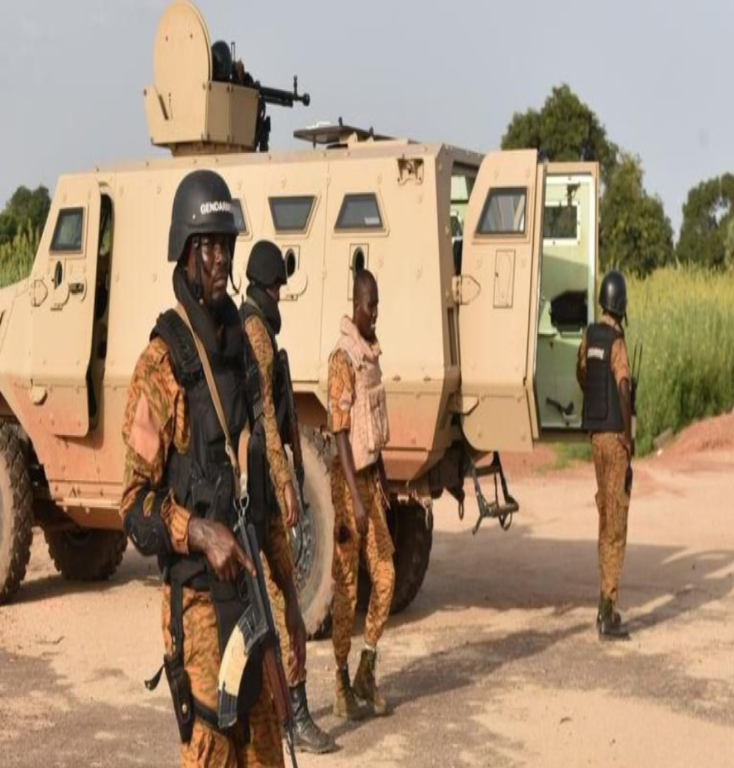
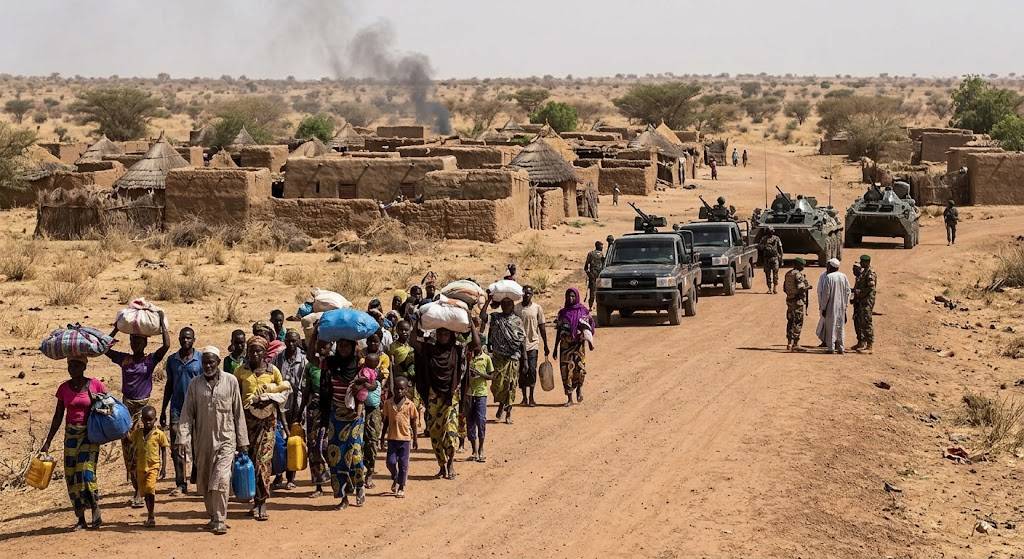
The discussions are expected to prioritize pressing security challenges sweeping across West Africa, including persistent terrorist threats, cross-border crime, and escalating instability in the Sahel.
Both nations face common border protection concerns and share a vested interest in maintaining regional stability. Their collaboration already extends across key platforms, most notably within the ECOWAS framework.
A foundation of economic and human bonds
Beyond security, the relationship between Benin and Côte d’Ivoire rests on strong economic exchanges and deep human connections.
Trade, infrastructure, transportation, education, and cultural exchange remain central pillars of their partnership. The thriving communities of Beninese nationals in Côte d’Ivoire and Ivorian residents in Benin further cement this historical and cultural closeness.
Signaling a new chapter in Beninese diplomacy
If confirmed, the visit could signal the beginning of a fresh diplomatic chapter for Benin under President Romuald Wadagni’s leadership.
More than a ceremonial gesture, it would reflect a strategic intent to align the country’s foreign policy with a vision of stronger regional cooperation—rooted in shared security, stability, and sustainable development.