Under the leadership of President Romuald Wadagni, Bénin is embarking on a significant strategic transformation in its national development policy. Central to this new era is the revitalization of the Sino-Beninese partnership, evident in the renewed impetus behind major infrastructure projects across Cotonou and the northern regions of the country.
This marks a strong commitment established early in his tenure. President Wadagni, a former national finance minister renowned for his macroeconomic discipline, aims to leave an indelible mark on the nation’s landscape. To achieve this, Cotonou is strengthening its reliance on its long-standing ally, Beijing. This renewed strategic collaboration is manifesting on the ground through extensive construction activities, from the Atlantic coast to the far reaches of the Grand Nord.
The capital’s renewal: Cotonou’s transformation
The capital city, Cotonou, along with Porto-Novo, is undergoing a significant transformation. The clear objective is to finalize urban modernization efforts and alleviate congestion on key economic arteries. Under President Wadagni’s direction, Chinese cooperation is providing substantial new capital and deploying its technical expertise across multiple sectors:
- Port Modernization and Road Corridors: Chinese construction firms are reinvesting in the access routes to the Autonomous Port of Cotonou, the nation’s economic lifeline, to streamline goods traffic towards the hinterland.
- Extensive Sanitation: A crucial phase has begun for the comprehensive program of storm water drainage network modernization and asphalt paving, extensively supported by Chinese engineering. This aims to provide lasting protection for the economic capital against recurrent flooding.
The Grand Nord at the heart of priorities: connectivity and security
While the capital benefits from significant upgrades, the distinct innovation of the Wadagni doctrine lies in accelerating investments in Bénin’s northern territories, particularly in Parakou, Natitingou, and Kandi. This prioritization addresses a dual imperative: economic development and national security.
The northern challenge
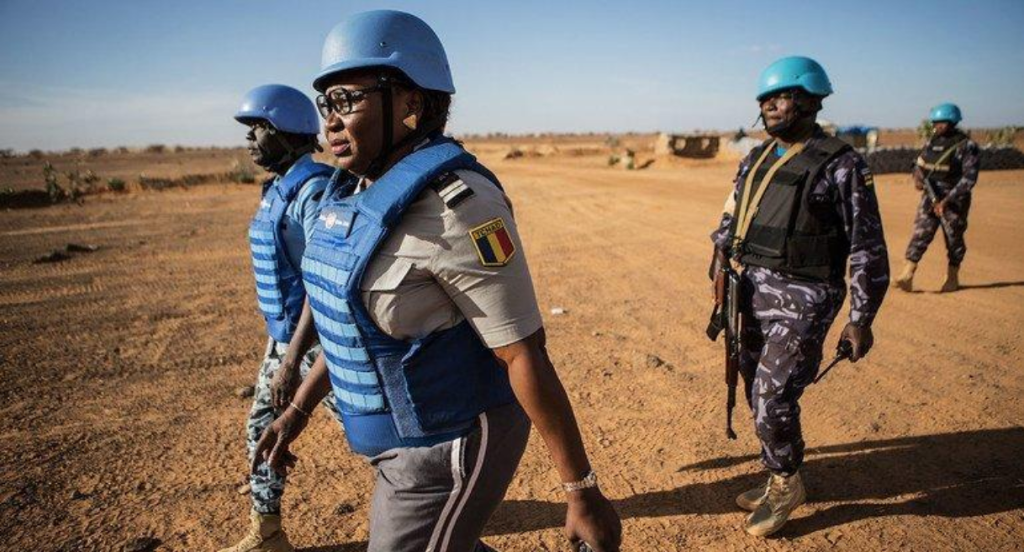
Given the regional context marked by cross-border security challenges in the Sahel, the Beninese government firmly believes that improved connectivity and economic development are the most effective safeguards against instability.
Major Sino-Beninese initiatives for the North
- Rehabilitation of strategic road networks connecting to Niger and Burkina Faso;
- Enhancement of multimodal transport infrastructure;
- Logistical support for agricultural development hubs.
Chinese enterprises are actively engaged in rehabilitating the National Inter-State Road (RNIE), which is vital for maintaining the competitiveness of the Beninese corridor against other West African routes. By more effectively linking the Port of Cotonou to the northern agricultural regions and to landlocked neighboring countries, Bénin is equipping itself to foster resilient growth, projected by international financial institutions at nearly 6% in the medium term.
The Wadagni method: financial rigor serving infrastructure
China’s involvement under this new presidency is not indiscriminate. Leveraging his profound understanding of debt mechanisms and international finance, Romuald Wadagni advocates for a rebalanced, “win-win” partnership, founded on the efficiency of public-private partnerships (PPPs). Beijing contributes its technical and industrial prowess, while Cotonou ensures a stable and sound macroeconomic environment, thereby reassuring foreign investors.
Challenges ahead
Nevertheless, the path forward presents its share of obstacles. For this resurgence to achieve lasting success, the government must diligently address:
- Skill Transfer: Ensuring that these mega-projects promote local employment and increasingly involve Beninese subcontracting firms.
- Adherence to Timelines: Expediting administrative procedures and procurement processes, which are often identified as bottlenecks in the implementation of national projects.
By simultaneously reinvigorating infrastructure in both the southern and northern regions, President Romuald Wadagni is playing his initial significant political and economic hand. Bénin’s future, particularly looking towards 2026, is actively under construction, with the partnership with China serving as one of its primary catalysts.