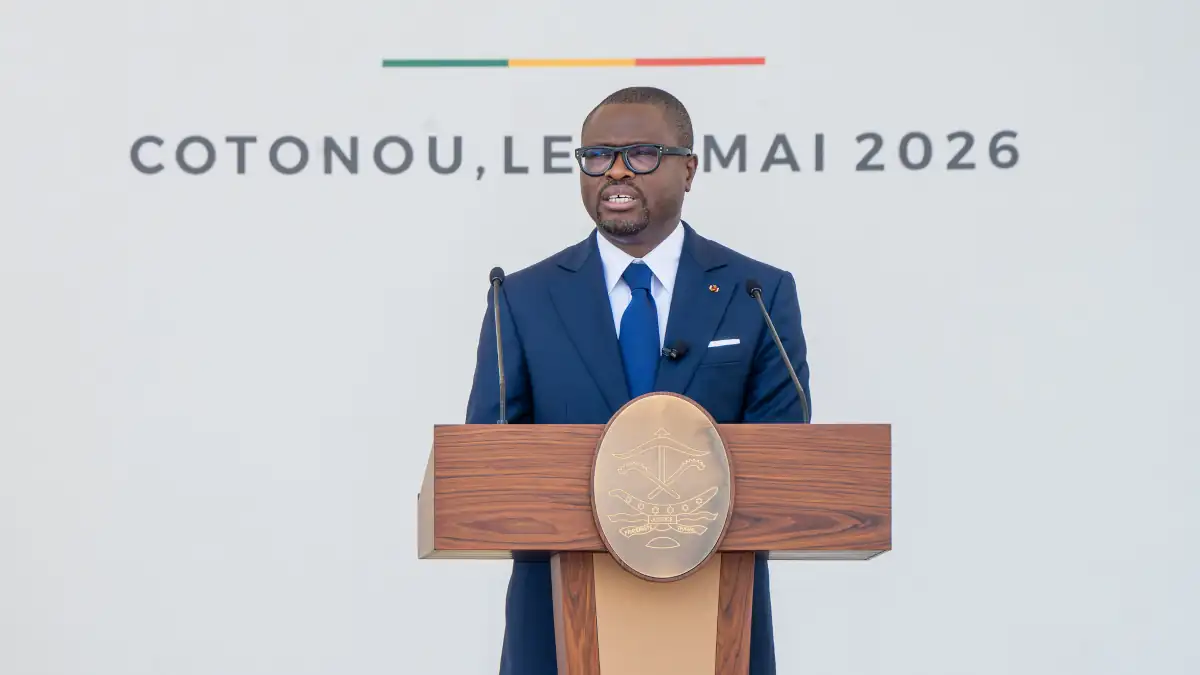
For the first time since taking office, President Romuald Wadagni convened the newly formed government at the Palais de la Marina to outline the guiding principles for the 2026-2033 term. This inaugural Council of Ministers meeting, held on May 28, 2026, marked the official launch of executive operations under the president’s leadership.
Vision and values for a united Bénin
The head of state extended his congratulations to the newly appointed ministers, emphasizing that their appointments were not merely ceremonial but represented a mission of national service. President Wadagni made it clear: serving in government is a duty to the people, not a personal advantage. He called for unwavering sobriety, absolute integrity, and continuous solidarity in all government actions, warning against any partisan or self-serving influences in public decision-making.
Closing regional gaps and strengthening security
Among the top priorities unveiled during the meeting, the president highlighted the urgent need for balanced regional development across the country. He tasked the government with accelerating efforts to reduce disparities between communes through targeted investments, better access to essential public services, and the rollout of modern infrastructure.
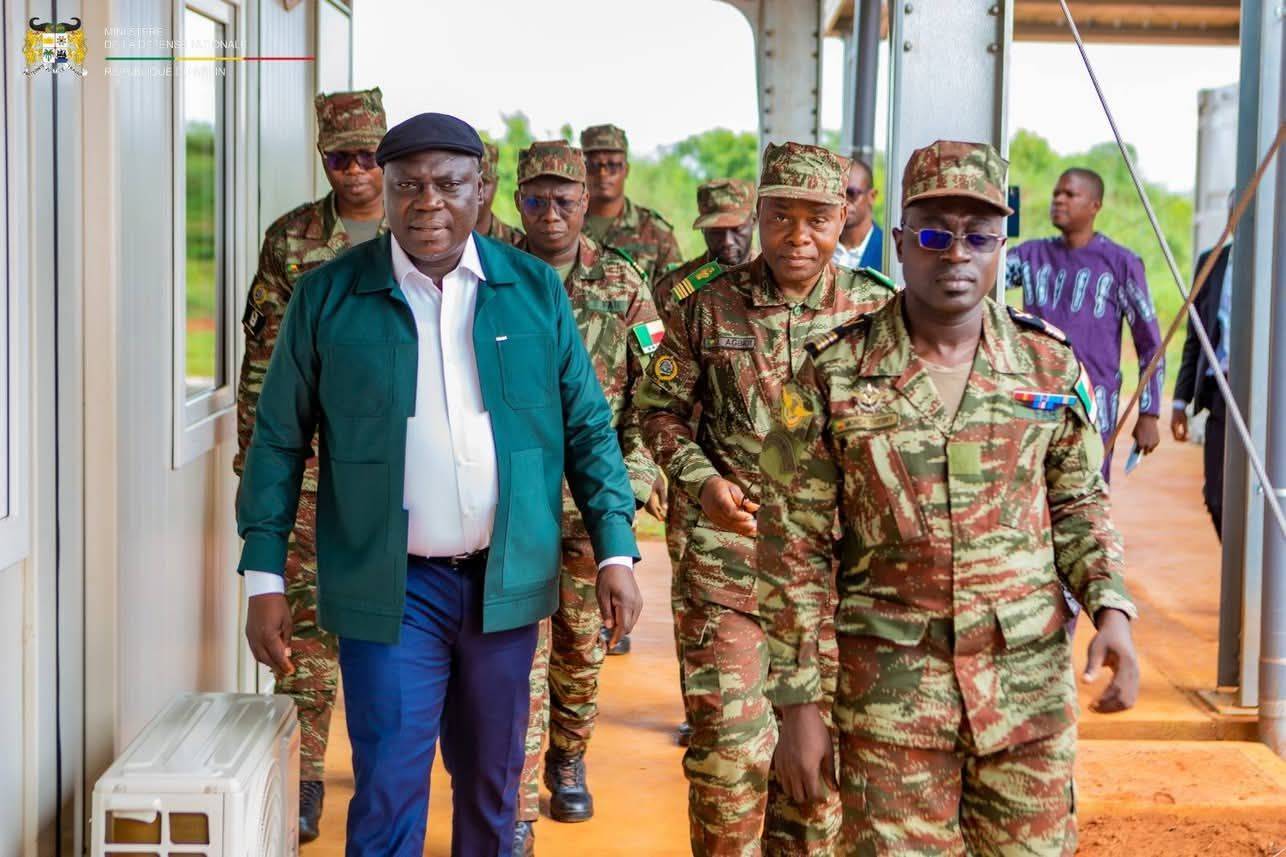
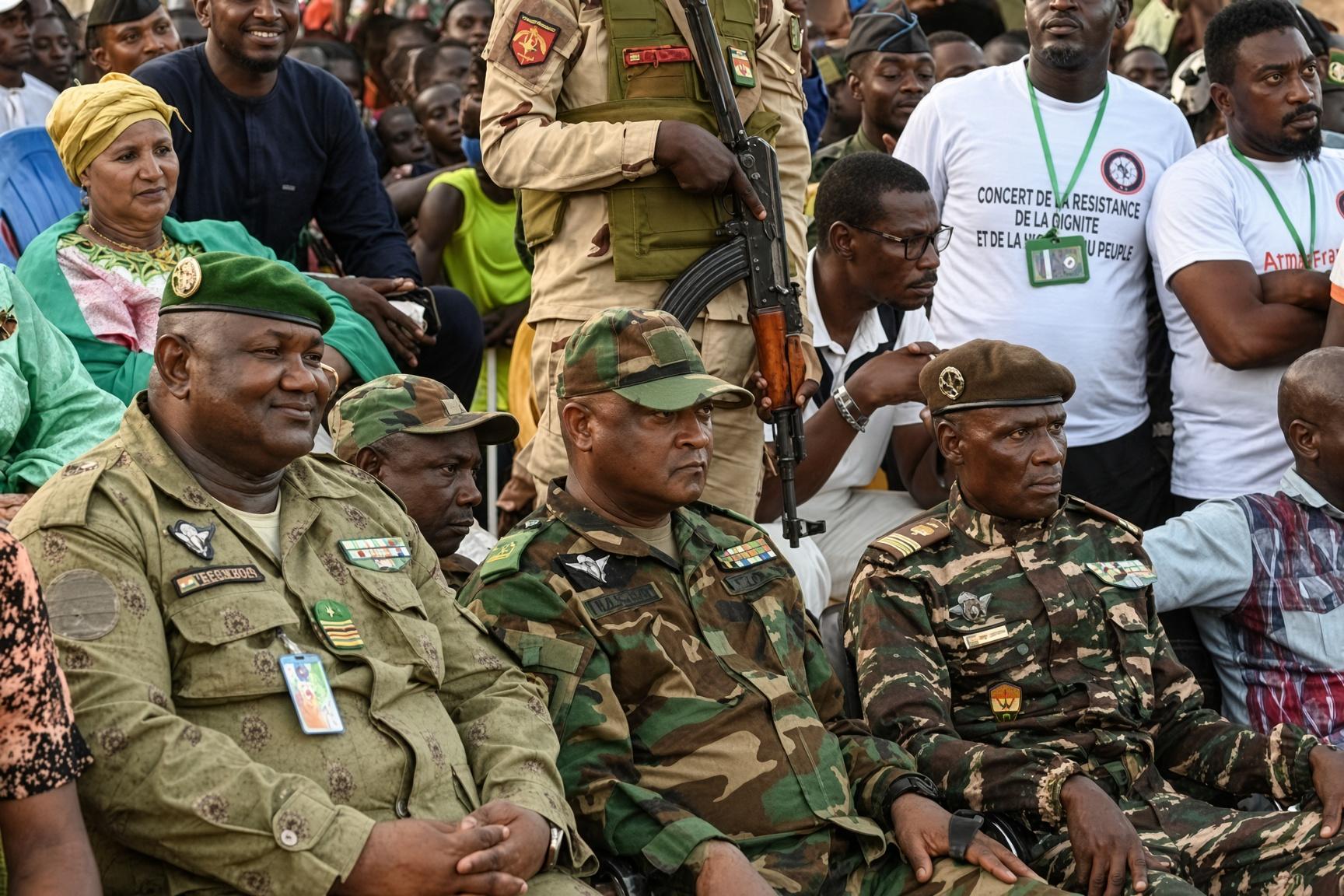
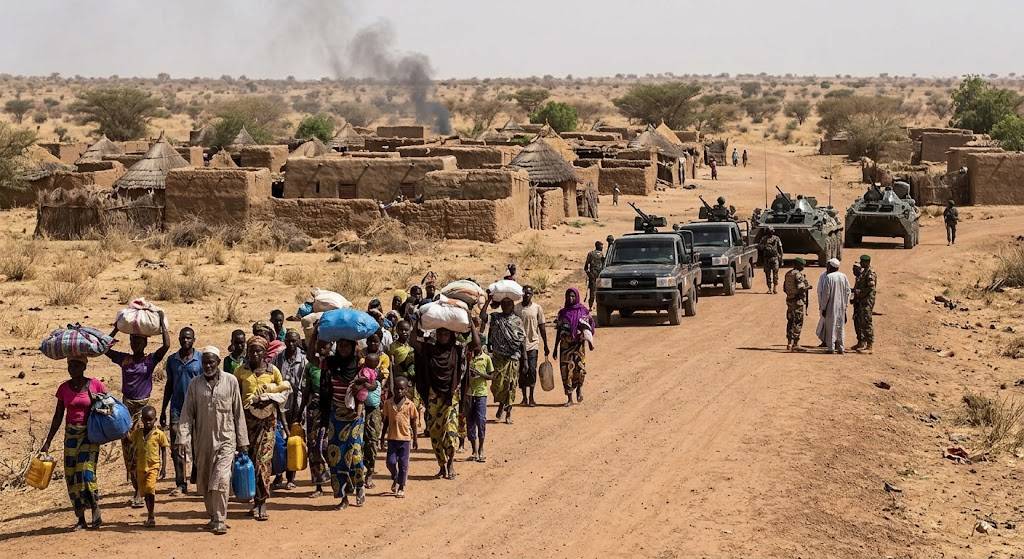
The ongoing security challenges in the northern regions also took center stage. President Wadagni urged the executive to maintain robust defense and territorial protection measures, noting the persistent threat posed by recent armed incursions that continue to demand the full attention of national security forces.
Streamlined governance for greater efficiency
The new administration is introducing structural changes to improve governance. Moving forward, the Council of Ministers will convene regularly on the first Wednesday of each month, with the possibility of additional sessions when circumstances require. The Interministerial Committee, in turn, will meet twice monthly—on the first and third Mondays—to ensure consistent coordination among sectors.
The government will also implement joint working sessions, bringing together the Council of Ministers, the Interministerial Committee, and sectoral ministers to tackle complex policy issues more effectively. This restructuring signals a commitment to transparent, efficient, and responsive governance as the nation enters a new chapter under President Wadagni’s leadership.