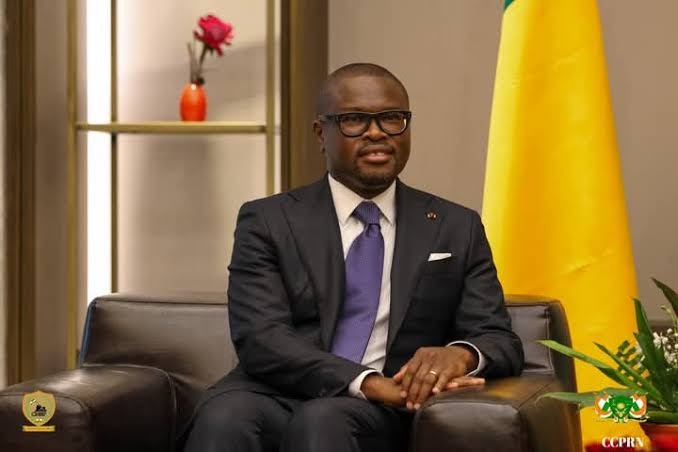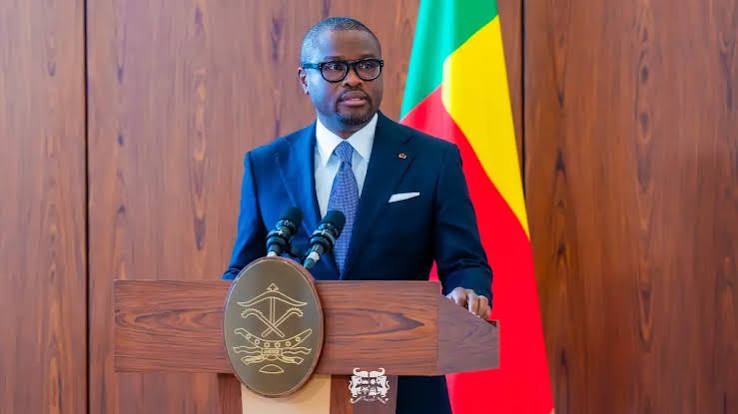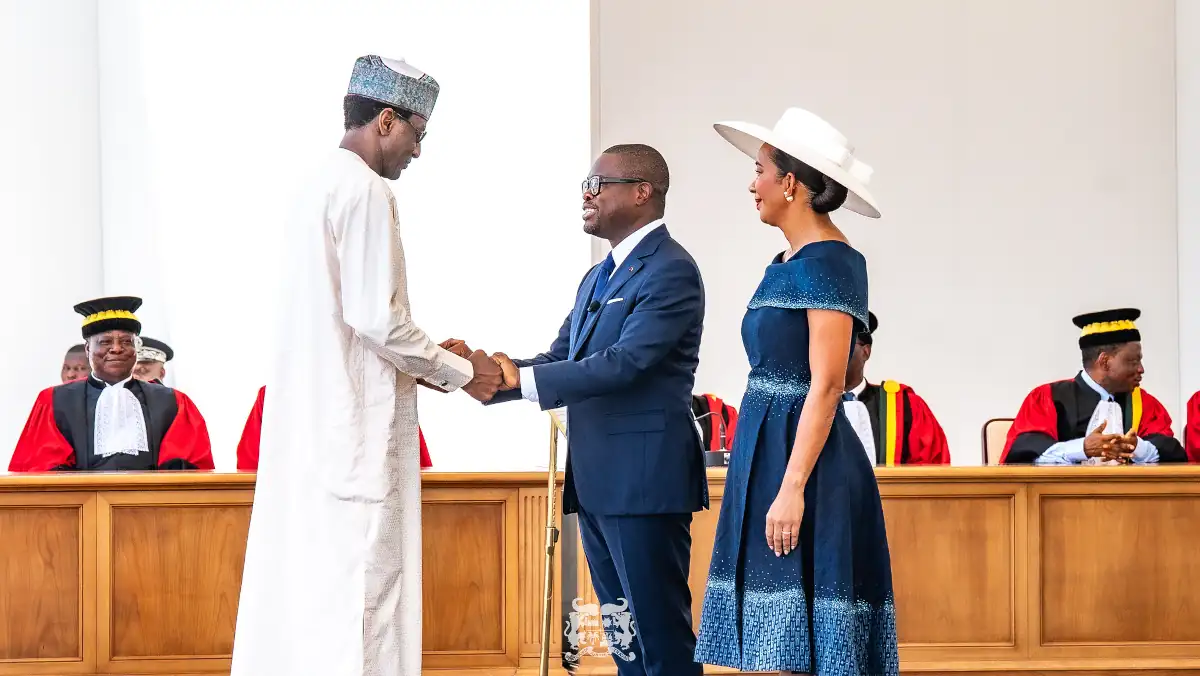
Cotonou witnessed a day of profound symbolic significance on May 24, 2026. While the official swearing-in of Beninese President Romuald Wadagni marked the occasion, the composition of the political and diplomatic attendance stole the spotlight. Long-standing opponents, former heads of state, representatives from neighboring West African nations, and figures once sidelined from power all gathered for the ceremony—a potential turning point in the nation’s political trajectory.
The turnout suggests a collective desire for peace after a decade under Patrice Talon’s leadership. Among the most notable moments was the presence of former Presidents Nicéphore Soglo and Boni Yayi. Both iconic figures in Benin’s democratic history—often critical of the previous government—attended the event, signaling institutional recognition and republican stability. Notably, President Soglo had actively campaigned against Wadagni’s predecessor, adding weight to the gesture.
In the official stands, exchanges between political figures of differing allegiances sparked immediate discussion. Beyond protocol, these interactions underscored the ceremony’s political resonance.
Overcoming years of political division
For years, Benin’s political climate had grown increasingly fraught, centered on disputes over institutional reforms, contested electoral conditions, and opposition accusations. The 2019 legislative elections, controversies surrounding exiles and imprisoned opponents, and debates over party system reforms had strained national dialogue. In this context, the sight of once-opposition figures uniting under the new president carried extraordinary weight.
Their participation at the inauguration stands out as a defining marker of reconciliation. It reflects a recognition of the transition process and a deliberate choice to prioritize republican dialogue. The image of Boni Yayi attending Romuald Wadagni’s oath-taking starkly contrasts with recent years of tension, evoking a gradual return to normalcy in Benin’s political landscape.
Technocrat leadership and regional expectations
Analysts suggest Romuald Wadagni enters office with a distinct context from Patrice Talon’s 2016 ascent. A respected technocrat and former Finance Minister, Wadagni projects an image rooted in economic governance and administrative reform. This profile fosters a more consensus-driven perception, even among critics of the outgoing administration.
His leadership style may help ease internal divisions while addressing pressing economic challenges.
A regional call for stability
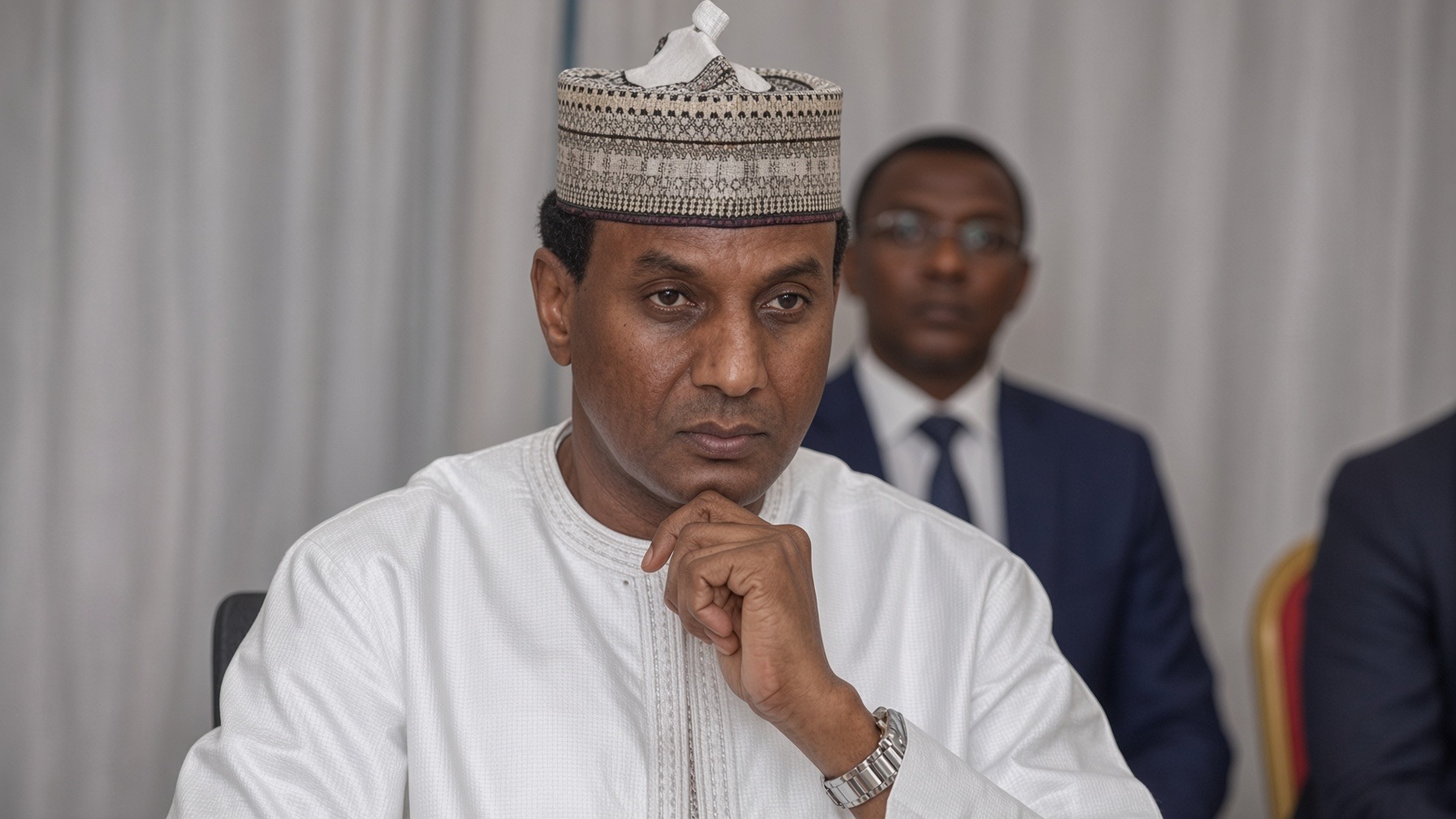
The ceremony also drew significant diplomatic representation from across West Africa, including delegations from the Alliance of Sahel States (AES)—Niger, Burkina Faso, and Mali—as well as Nigeria, Togo, and other neighbors. This regional turnout carries strategic meaning amid escalating security threats, political transitions in neighboring Sahel nations, and shifting dynamics within ECOWAS.
Benin, facing growing terrorist threats in its northern regions, urgently needs strengthened security cooperation with its neighbors. The presence of these delegations signals renewed trust in the country’s institutional stability, despite recent internal political strife. More importantly, it highlights Benin’s role as an anchor of stability in a volatile region.
The road ahead: from symbolism to action
Yet observers caution against equating symbolic gestures with lasting change. Romuald Wadagni inherits a nation transformed economically but still scarred by deep political fractures. His challenge will be to preserve governance progress while rebuilding trust between institutions, opposition groups, and civil society.
The inauguration succeeded in reuniting long-divided political actors—something unthinkable in recent years. In a West Africa plagued by institutional crises and democratic backsliding, this display of unity around Benin’s presidential transition sends a powerful signal. The true test will be whether this moment translates into a new era of dialogue and reconciliation for the country.