Ati struggles as poultry prices surge in Chad
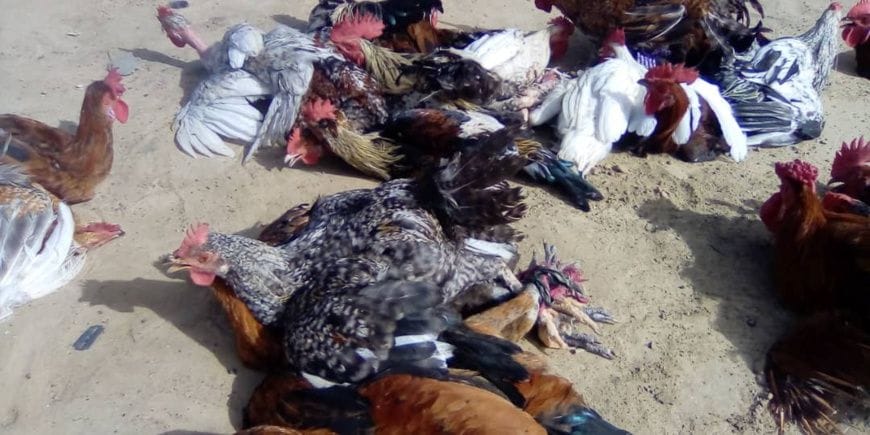
Ati struggles as poultry prices surge in Chad
Soaring poultry prices in Ati, Chad, are straining household budgets, disrupting local commerce, and threatening food security. Urgent measures are needed to stabilize the market.

Market slowdown: the human cost of rising poultry prices
The central market in Ati is noticeably quieter than usual. Customers once filled the stalls with lively negotiations over poultry, but now they hesitate, often leaving empty-handed. The sharp increase in poultry prices over recent months has disrupted daily life for households, traders, and farmers alike, creating ripple effects across the region.
Households forced to adapt to higher costs
For many families in Ati, poultry was once a staple protein source. Today, families like that of Amina Mahamat—mother of five—find themselves rethinking their diets. “We used to buy chicken every week for the children. Now, it’s a rare treat,” she explains. “We’re cutting back and choosing cheaper foods to make ends meet.”
Chicken prices have jumped from between 6,000 and 8,000 FCFA to as high as 10,000–15,000 FCFA, depending on size and season. Smaller birds, once priced at 1,500–2,000 FCFA, now cost 3,500–6,000 FCFA. Guinea fowl and roosters have followed a similar upward trend, especially as demand peaks during religious festivals and family gatherings.
Traders caught between rising costs and shrinking sales
Vendors like Issa Hassan, a poultry seller for over a decade, describe a difficult balancing act. “We raise prices, but customers are buying less. We’re losing sales, and our profits aren’t keeping up with the increases,” he says. Restaurants and street food vendors face a similar challenge, forced to either raise meal prices or reduce portion sizes to stay afloat.
Farmers face mounting production challenges
Behind the high prices at the market, poultry farmers in the region are dealing with their own set of struggles. Abakar Abdoulaye, a local farmer near Ati, points to rising costs in feed, veterinary supplies, and transport. “Every month, our expenses climb. We have to sell at higher prices just to cover costs, but it doesn’t mean we’re making more profit,” he explains.
These pressures are compounded by limited grazing land, water shortages during dry seasons, and disease outbreaks that can devastate flocks. The combination of higher costs and lower sales is squeezing the entire poultry value chain.
A strain on the local economy
The impact of these price hikes extends beyond individual households. The slowdown in poultry sales has affected transporters, feed suppliers, restaurateurs, and small-scale vendors, creating a broader economic slowdown in the Batha province. Some reports suggest poultry sales may have dropped by 20 to 30% compared to the previous year, though official data remains pending.
Calls for urgent action to stabilize the market
With food security at risk, local leaders and stakeholders are urging authorities and development partners to intervene. Proposed solutions include:
- Subsidizing or facilitating access to affordable poultry feed;
- Strengthening veterinary services and vaccination campaigns;
- Providing financial support and technical training to small-scale farmers;
- Encouraging local production to boost supply and stabilize prices.
What’s next for Ati’s poultry market?
Without decisive action, the ongoing rise in poultry prices threatens to deepen food insecurity and economic hardship in Ati. For now, families continue to adjust, cutting back on protein-rich meals and hoping for relief. The question remains: will local and national authorities step in to address the crisis before it worsens?