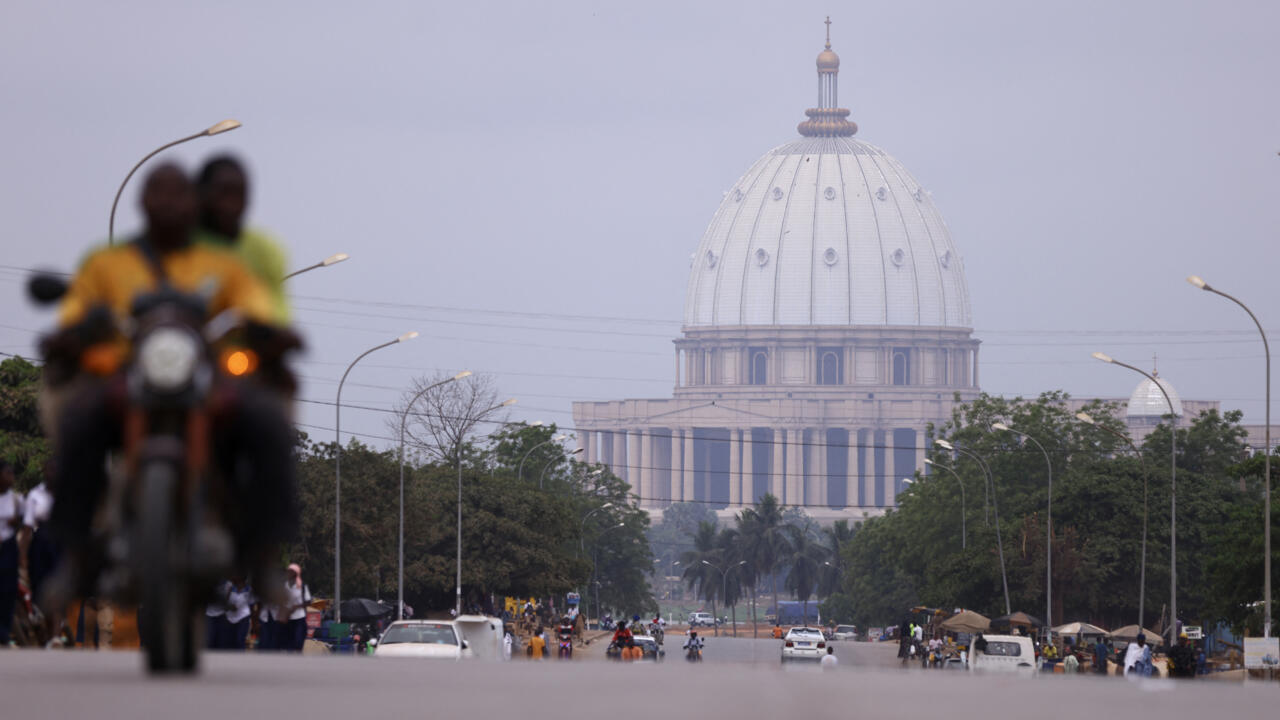
Yamoussoukro is experiencing an unprecedented real estate boom, drawing investors eager to capitalize on rising land values and expanding construction projects. The political capital of Côte d’Ivoire is rapidly transforming into a key hub for real estate investment, reshaping both urban landscapes and rural communities. Yet, this surge in property development is sparking concerns among local farmers, who fear the loss of cultivable land essential for their livelihoods.
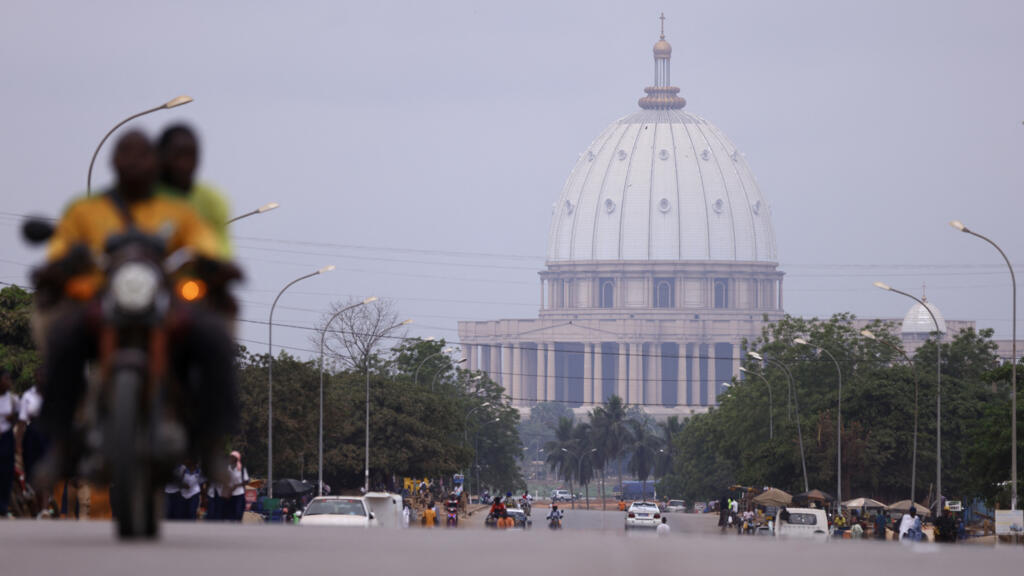
Investors flock to Yamoussoukro
Francis Djaha, a real estate agent with five years of experience, has witnessed firsthand the growing interest in Yamoussoukro. Using a drone to survey parcels of land, he highlights the city’s transformation: «There is a surge in demand from individuals looking to build residential properties, industrial investors seeking office spaces, and even agricultural buyers. Some are interested in purchasing already-built homes.»
Land prices in Yamoussoukro vary between 15 and 40 million West African CFA francs, depending on location and size. The city’s appeal stems not only from the availability of land but also its well-planned infrastructure. «The roads are wide, making travel seamless, and the city is peaceful,» Djaha explains. «The infrastructure left by President Houphouët-Boigny sets Yamoussoukro apart. Plus, its central location allows easy access to all parts of the country.»
Rural communities face displacement
While the real estate boom brings economic opportunities, it is also reshaping the surrounding villages. Traditionally dedicated to crops like cocoa, yam, and cassava, these lands are increasingly being converted into residential and commercial plots. This shift is creating both hopes for development and fears of losing agricultural heritage.
In Séman Sanhourikro, just a few kilometers from Yamoussoukro, Michel N’Goran, advisor to the village chief, voices these concerns. «With the new housing developments, we can no longer cultivate our land. In 30 to 50 years, just as the Ebriés people in Abidjan lost their arable land, the Akouès and Nanafouès communities here may face the same fate. We risk losing our ability to farm,» he warns.
The government’s five-year development plan includes a high-speed train linking Abidjan to Yamoussoukro in just 45 minutes. This project is expected to further boost the city’s attractiveness, potentially accelerating the transformation of rural areas into urban zones.