west africa Sahel news: deepening humanitarian crisis demands urgent action
The United Nations has sounded the alarm on a rapidly deteriorating humanitarian crisis in West and Central Africa, issuing a $5.1 billion appeal for 2026. This funding is critical to support 24 million of the region’s most vulnerable individuals grappling with conflict, displacement, and environmental disasters.
In the broader context of the UN’s global humanitarian appeal totaling $33 billion, this regional request underscores the escalating needs across Burkina Faso, Cameroon, Chad, the Democratic Republic of the Congo (DRC), Mali, Niger, Nigeria, and the Central African Republic.
why is the Sahel humanitarian crisis worsening?
Charles Bernimolin, Head of the UN Office for the Coordination of Humanitarian Affairs (OCHA) for West and Central Africa, warns that without immediate resources, families face increasing threats to food security, safety, and protection. “The consequences of inaction will deepen suffering across the Sahel and beyond,” he emphasizes.
The crisis is driven by a combination of factors:
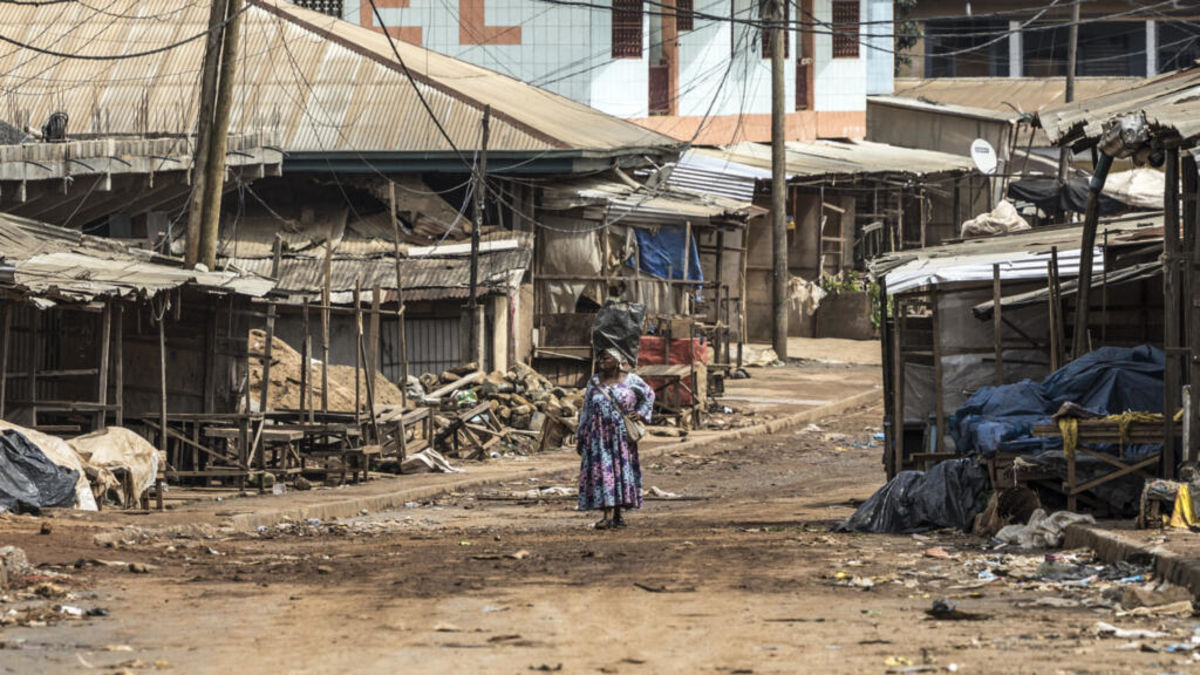
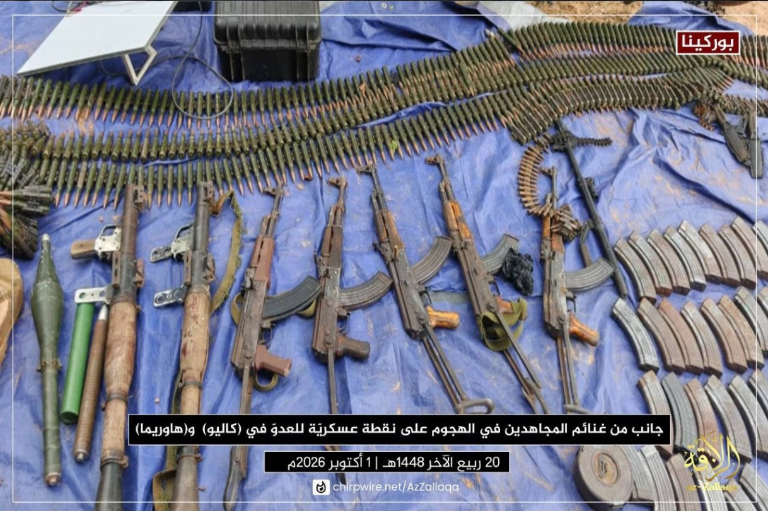
- Escalating violence: Conflict in the Sahel’s central belt—spreading from Burkina Faso, Mali, and Niger—is spilling into neighboring countries like Benin, Côte d’Ivoire, Ghana, Togo, and Mauritania. Meanwhile, instability in the Lake Chad Basin and Sudan continues to displace millions.
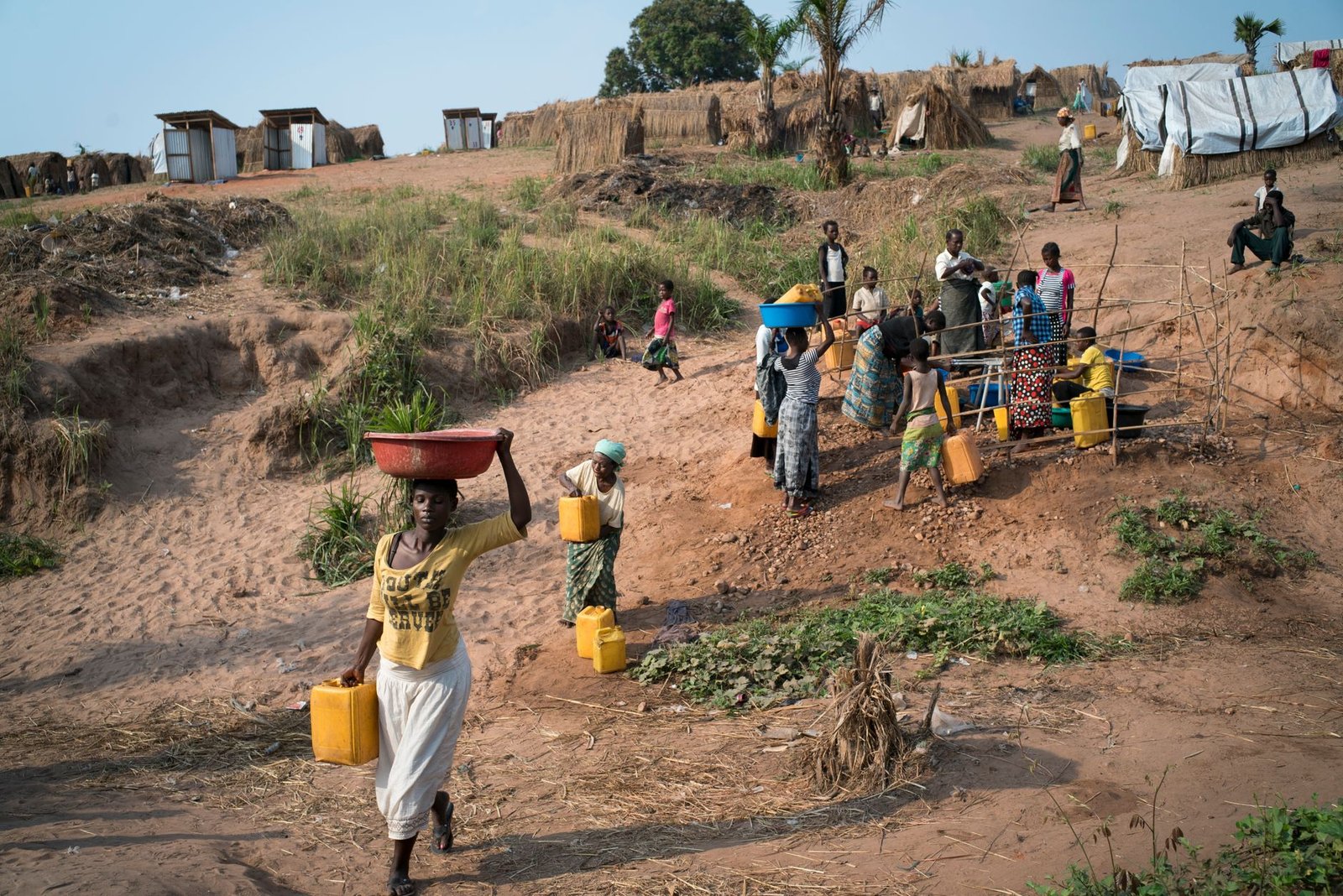
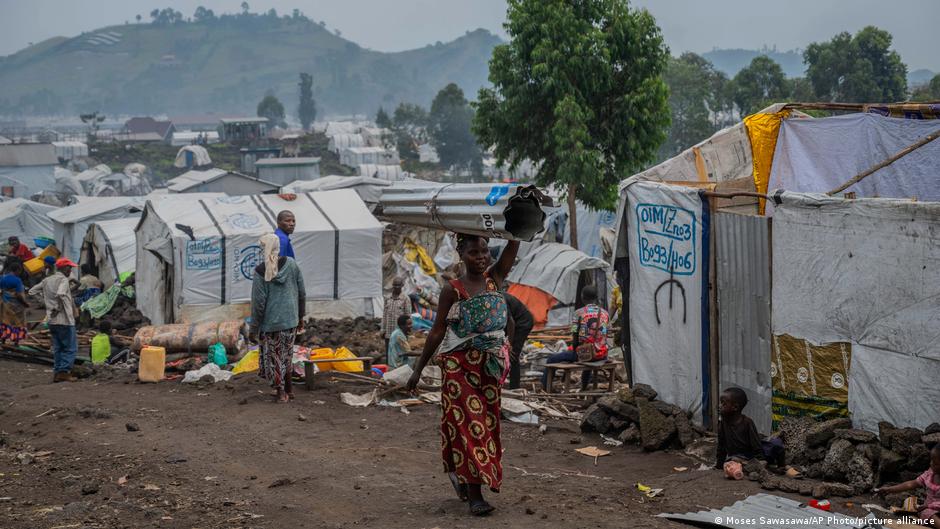
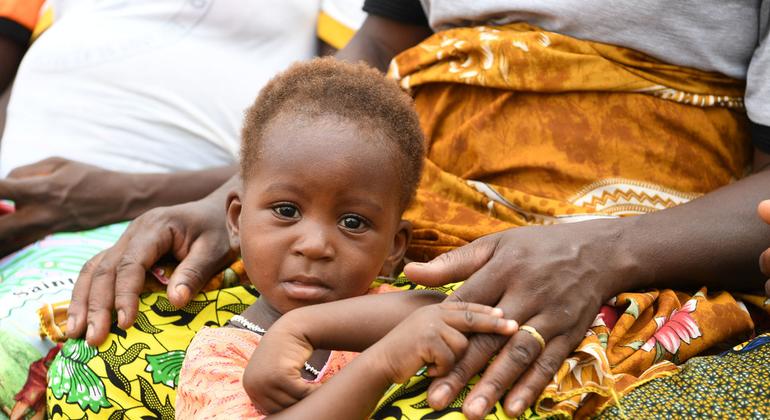
- Mass displacement: Over 16 million people have been forced from their homes, including 12.7 million internally displaced persons (IDPs) and 3.7 million refugees or asylum seekers. Women and children, who constitute the majority of displaced populations, face heightened risks of gender-based violence, exploitation, and survival sex.
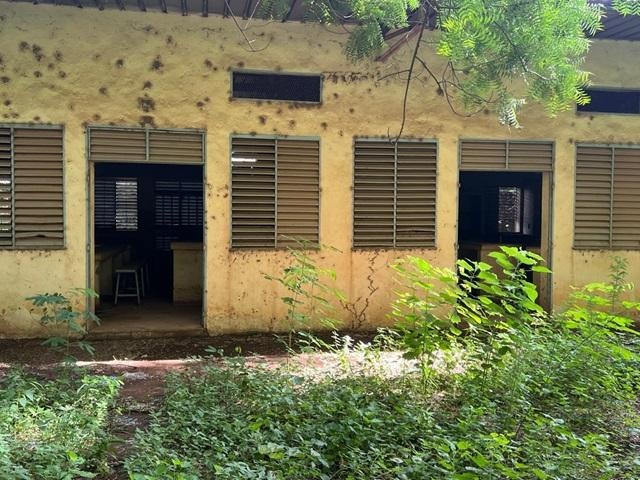
- Climate shocks: Extreme weather events, such as intense rainfall and flooding in 2025, have devastated livelihoods for over 2 million people across 12 countries. The DRC alone saw more than 830,000 affected, with crops destroyed, homes damaged, and critical infrastructure like schools and health centers cut off.
the cost of underfunding humanitarian efforts
The OCHA highlights a severe funding gap that has crippled response efforts. In 2025, only 24% of the $7.8 billion requested was secured, forcing humanitarian agencies to make impossible choices. The results have been devastating:
- In the Central African Republic, cash assistance programs plummeted by 75%, leaving families without means to meet basic needs.
- In the DRC, 85% of people targeted for shelter support received no assistance, exacerbating vulnerability amid new waves of displacement.
Despite these challenges, humanitarian workers have managed to deliver some form of aid to 19 million people by the end of 2025. Yet, millions more remain beyond reach due to critical funding shortages.
Charles Bernimolin stresses that “while progress has been made, the gap between needs and resources is widening. Without urgent funding, the suffering will only intensify.”
what’s next for the west africa and Sahel region?
As the UN’s appeal for 2026 takes shape, the international community faces a pivotal moment. The $5.1 billion sought aims to:
- Expand food assistance and nutrition programs for millions facing acute hunger.
- Bolster protection services for displaced women and children, including safe shelter and psychosocial support.
- Restore access to essential services like healthcare and education in conflict-affected zones.
- Strengthen resilience against climate-related disasters through early warning systems and recovery initiatives.
The UN and its partners are calling on donors to prioritize this appeal, emphasizing that “breaking the cycle of indifference” is essential to avert a full-blown catastrophe in one of the world’s most fragile regions.