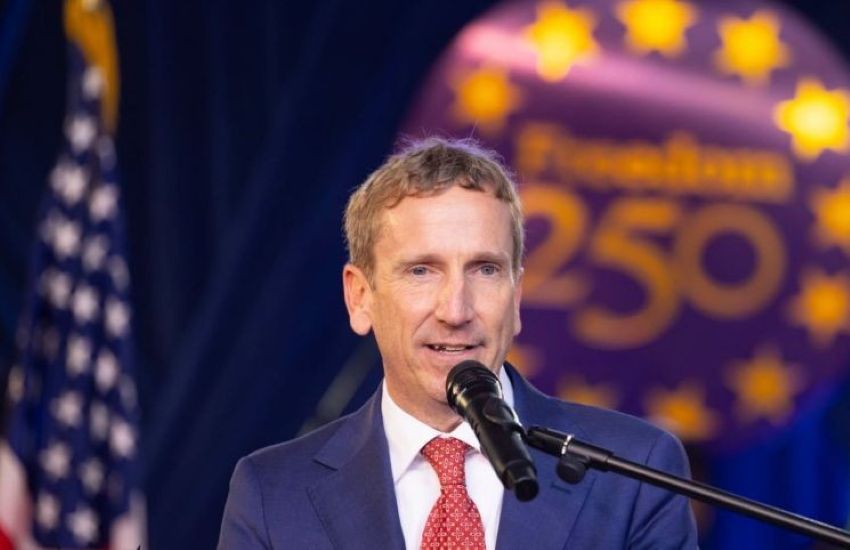
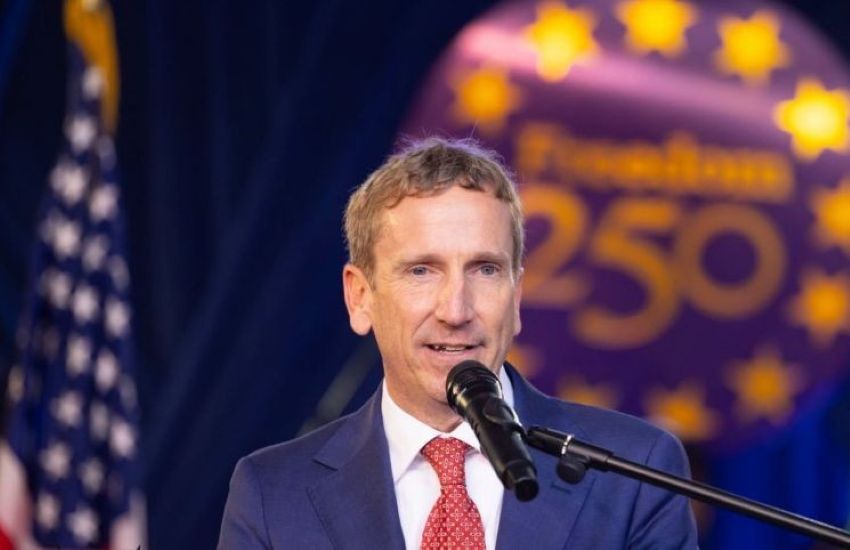
Libreville, August 13, 2026 — The United States has nominated career diplomat Keith Heffern to serve as its ambassador to Gabon, positioning Libreville at the center of Washington’s evolving African diplomacy under President Donald Trump.
The White House formally submitted Heffern’s nomination to the US Senate on August 7, 2026. If confirmed, he would take over a mission that has been led by chargé d’affaires Susan N’Garnim since January 2026, ending a period of vacancy in the US diplomatic presence in Gabon.
Heffern, currently serving as a minister-counselor in the Senior Foreign Service, brings extensive diplomatic experience to the role. His familiarity with Gabon’s political and economic landscape suggests a potential for accelerated engagement between the two countries. While his appointment has not yet been finalized, the move signals Washington’s intent to strengthen ties with Libreville.
Diplomatic reshuffle aligns with broader US strategy in Africa
Heffern’s nomination is part of a wider slate of US ambassadorial appointments across Africa. Proposed candidates include William Flens for Chad, Marc Dillard for Madagascar and the Comoros, and others for Togo, Mauritania, Benin, Malawi, and Cabo Verde. These selections reflect a deliberate preference for career diplomats over political appointees, signaling a shift in Washington’s approach to African diplomacy.
For Gabon, this nomination carries particular significance. The US has not had a permanent ambassador in Libreville since recalling its previous envoy, leaving the mission under interim leadership. A confirmed ambassador could help revitalize a relationship that both nations are seeking to deepen across multiple sectors.
Bilateral ties between the US and Gabon, established in 1960, encompass economic diversification, trade, maritime security in the Gulf of Guinea, and wildlife trafficking prevention. These areas of cooperation are now poised for renewed attention.
Libreville’s strategic importance in US foreign policy
Washington’s interest in Gabon extends beyond traditional diplomacy. The country’s rich mineral, forest, and energy resources, along with its strategic position in the Congo Basin and Gulf of Guinea, make it a key partner in regional stability and economic engagement.
A notable development occurred in May 2026, when President Trump reinstated Gabon’s eligibility for the African Growth and Opportunity Act (AGOA). This decision added economic momentum to the bilateral relationship, aligning with Gabon’s efforts to attract investment, diversify partnerships, and enhance its international standing.
As competition for influence in Africa intensifies—with China, Russia, and Turkey expanding their presence—Washington’s choice of Heffern could reinforce US engagement in Central Africa. His potential confirmation would not only fill a diplomatic vacancy but also underscore America’s commitment to a region where strategic interests are increasingly contested.
Senate confirmation looms as next hurdle
Until the Senate approves his nomination, Keith Heffern remains a designated candidate rather than an accredited ambassador. However, the political signal has already been sent: Washington is prioritizing operational efficiency and regional expertise in its African diplomacy.
For Gabon, the challenge will be translating this renewed diplomatic focus into tangible outcomes. Sectors such as investment, trade, security, environmental cooperation, and institutional partnerships offer pathways to solidify the relationship. Should the Senate confirm Heffern, his return to Libreville would mark a pivotal moment in US-Gabon relations, reflecting America’s determination to reassert its influence in a region where diplomatic engagement must now be backed by clear strategic intent.