The expulsion of French military forces and the severance of ties with Western partners were supposed to herald a “second independence” for Mali, Burkina Faso, and Niger. However, four years after the initial wave of coups, the populist rhetoric is clashing with a grim reality: dependency has merely shifted to a new patron, violence is escalating, and national economies are suffocating.
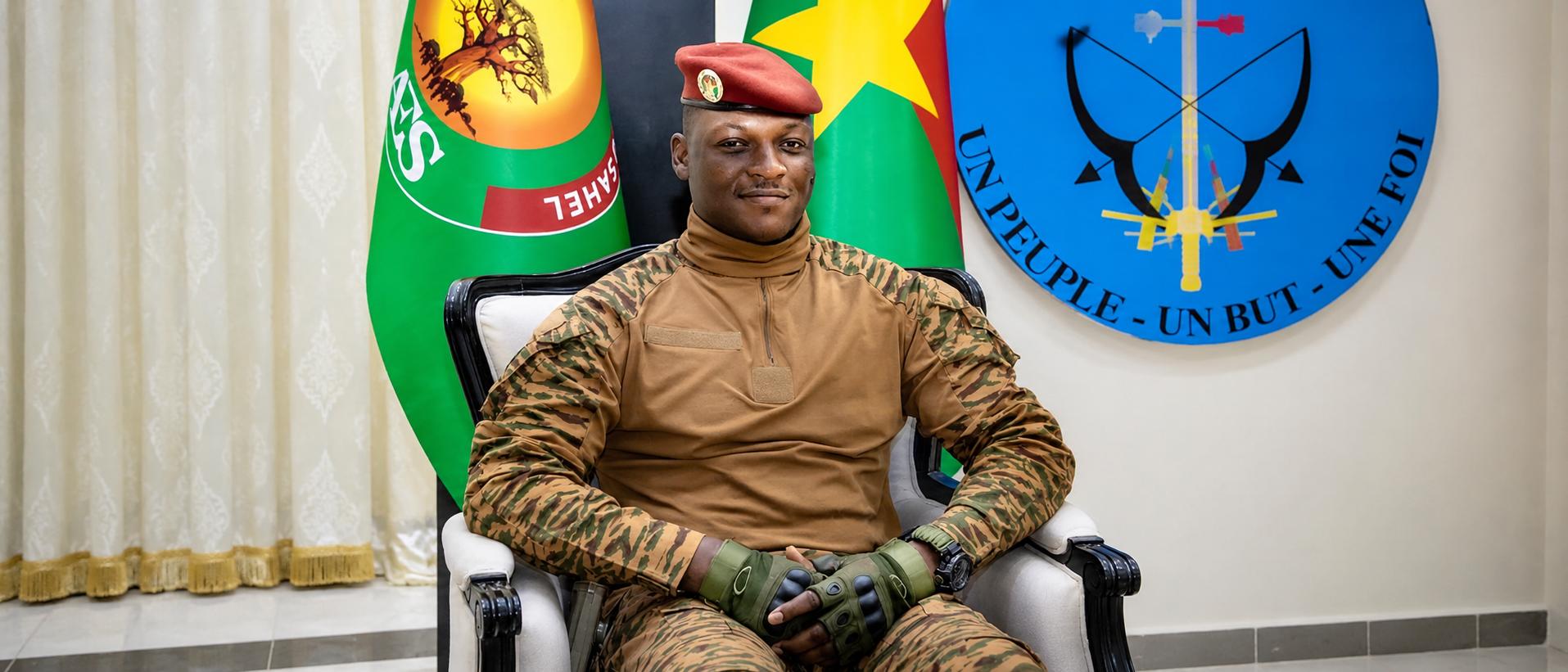
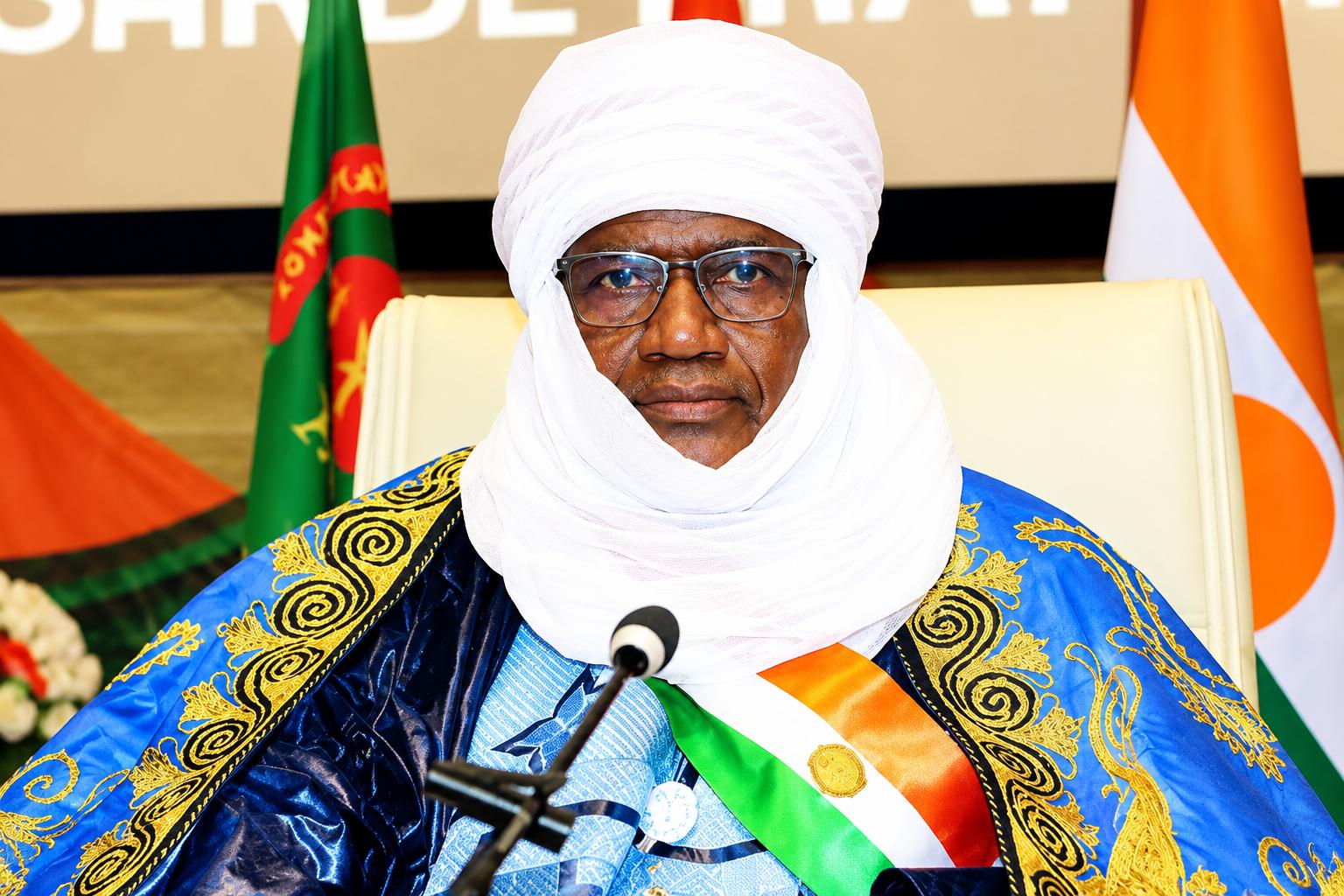
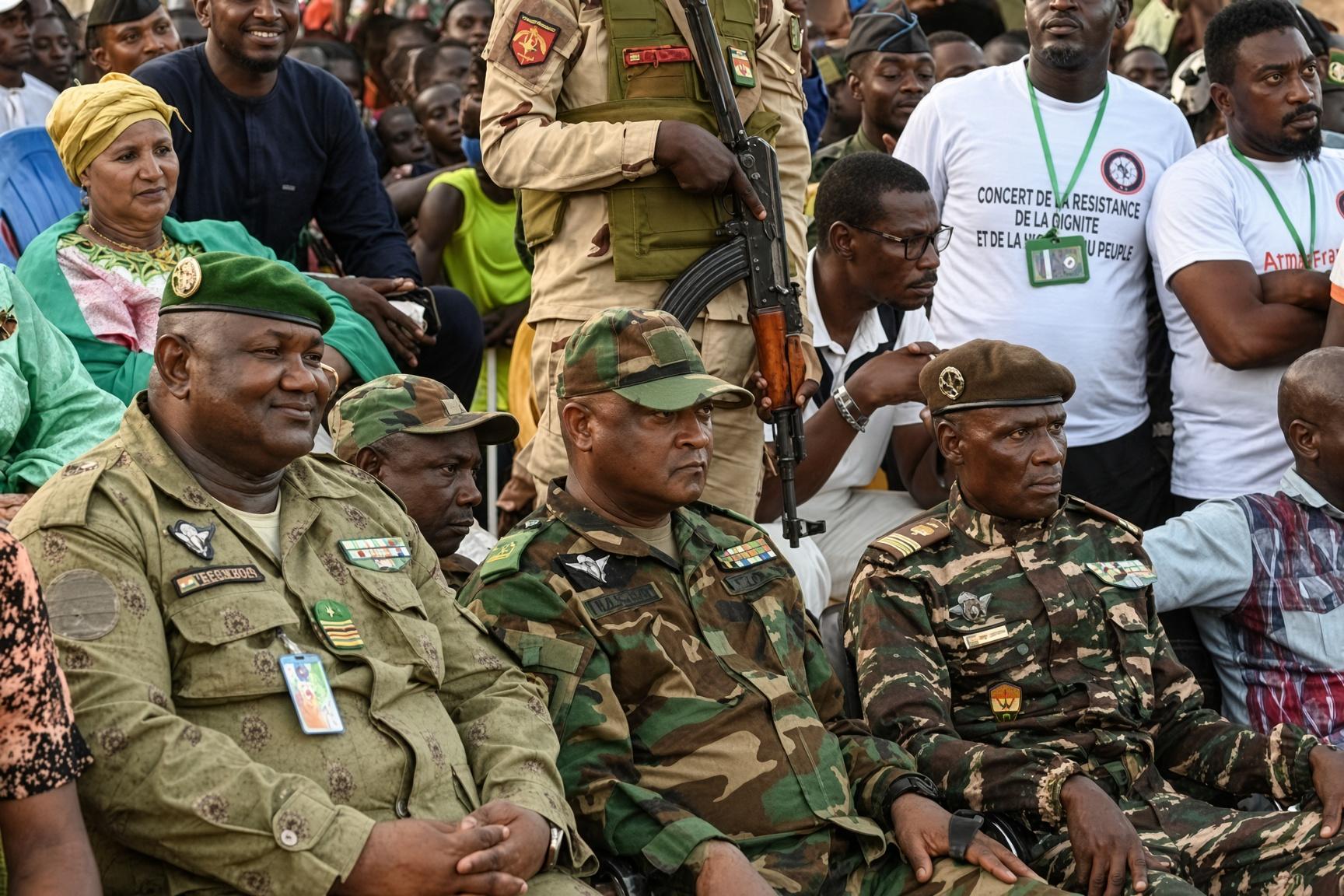
Four years ago, the public squares of Bamako, Ouagadougou, and Niamey were filled with anti-French chants. The forced departure of ambassadors and soldiers from Operation Barkhane was hailed as a landmark victory. Driven by a promise of total renewal, the captains and generals now in power claimed that reclaimed sovereignty would miraculously solve the terrorist threat. By 2024, that honeymoon period has ended. The record of the Alliance of Sahel States (AES) shows a systemic failure that state propaganda can no longer hide.
The security illusion and the Russian partnership
The primary justification used by military regimes for their takeovers was the perceived failure of France to eliminate jihadist groups. Yet, the chosen alternative is proving far more destructive. By replacing Western units with Russian paramilitaries from Africa Corps, Bamako, Ouagadougou, and Niamey have adopted a scorched-earth policy.
On the ground, terrorist organizations like JNIM and EIGS have never been more formidable. They now encircle strategic urban centers and sever essential supply routes. Even more concerning is the human toll. Independent observations indicate a surge in atrocities against civilians during joint military operations. Instead of finding safety, the populations of the Sahel are trapped between jihadist terror and the brutality of new security contractors, while internal displacement has reached unprecedented levels.
Institutional isolation and diplomatic retreat
To deflect from internal shortcomings, AES leaders have pursued a strategy of permanent confrontation. The abrupt exit from ECOWAS has detached these three nations from their natural economic allies. More recently, their collective withdrawal from the International Criminal Court (ICC) and the restrictions placed on UN agencies are turning the region into a diplomatic gray zone.
This institutional isolation primarily serves to shield the current regimes from external scrutiny regarding human rights or democratic transition timelines. Promised elections to return power to civilians are being pushed back indefinitely, turning what were meant to be temporary transitions into entrenched military dictatorships.
Economic stagnation and social decline
The economic outlook is equally bleak. Talk of monetary independence and self-sufficiency is crumbling under the weight of actual data. Regional isolation has triggered a massive spike in the cost of living and the price of basic goods. Local businesses are struggling under indirect sanctions, a lack of foreign investment, and persistent power outages that have brought Bamako and Ouagadougou to a standstill.
While national budgets are drained to fund the war effort and pay for Russian mercenary services—often through the granting of mining concessions—essential social services are failing. Thousands of schools remain closed, and the healthcare infrastructure is collapsing. Rather than investing in human development, national resources are being monopolized by the military apparatus.
A shift in masters rather than true liberation
Four years after the break with Paris, the situation is dire. The Sahel is neither safer, nor more prosperous, nor more independent. By removing a Western partner that was imperfect but predictable, AES leaders have pushed their countries toward an opportunistic Russian power focused solely on its own geopolitical interests. The promised “second independence” has devolved into a tragic regression where the sovereignty discussed in high-level summits only serves as a mask for the suffering of the people.