In Chad, the recent eight-year prison sentences handed down to eight leaders of the opposition coalition GCAP have ignited sharp criticism from political figures across the nation. The verdict, delivered on May 8, 2026, is being widely condemned as a blatant assault on democratic values and public liberties.
While some opposition members express little surprise at the ruling, many view it as yet another ominous sign of the government’s growing intolerance toward dissent. The timing and severity of the sentences have raised red flags, fueling fears of an escalating crackdown on political opposition in the country.
Opposition voices condemn judicial proceedings
Alifa Younous Mahamat, Europe coordinator for the Parti socialiste sans frontière (PSF), has been vocal in his condemnation of the trial’s proceedings. He argues that the legal process failed to meet even the most basic standards of fairness, suggesting that the convictions are part of a deliberate campaign to silence critical voices in Chad.
The political leader points to a pattern of recent events that have further weakened the opposition’s position, including the imprisonment of Succès Masra, the stripping of citizenship from exiled activists, and the 2024 military raid on the PSF headquarters that resulted in the death of party leader Yaya Dillo. Additionally, the PSF’s secretary-general, Robert Gam, was released after months of secret detention but was forced into exile to avoid further persecution.
According to Mahamat, Chad’s judiciary is increasingly being weaponized as an instrument of political repression, systematically targeting those who challenge the status quo or advocate for democratic change.
Parliamentary opposition warns of authoritarian drift
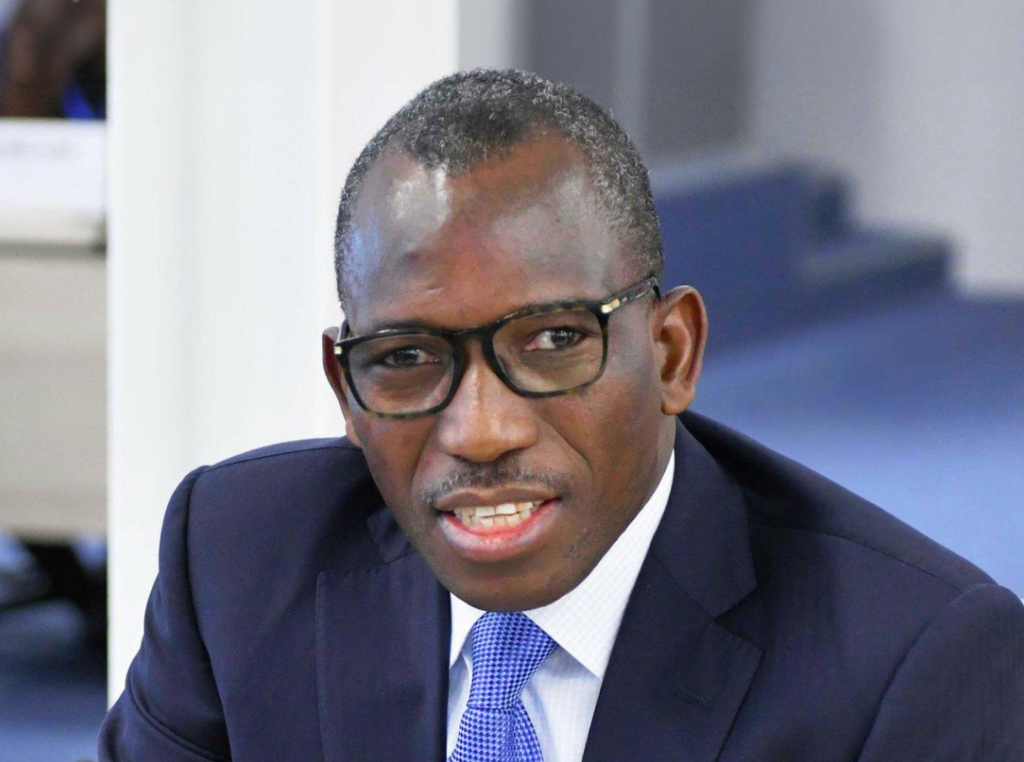
Albert Pahimi Padacké, leader of the Rassemblement national des démocrates tchadiens (RNDT) and a former Prime Minister, has also decried the judicial decision, framing it as part of a broader strategy by the ruling Mouvement patriotique du salut (MPS) to consolidate power. Since the establishment of the Fifth Republic, he argues, the government has systematically targeted opposition figures through arrests, legal harassment, and other repressive measures.
Padacké warns that this centralization of power reflects deep-seated political insecurity within the regime, while simultaneously instilling fear among opposition leaders. He admits to harboring concerns about his own safety, fearing potential arrest or prosecution in the current climate of heightened repression. The recent convictions, he asserts, only serve to underscore the shrinking space for free expression and political participation in Chad.