Sustainable groundwater management workshop held in N’Djamena
Sustainable groundwater management workshop held in N’Djamena
A national workshop in N’Djamena brought together key stakeholders to craft a unified action plan for sustainable groundwater management in Chad, essential for water security and long-term development.
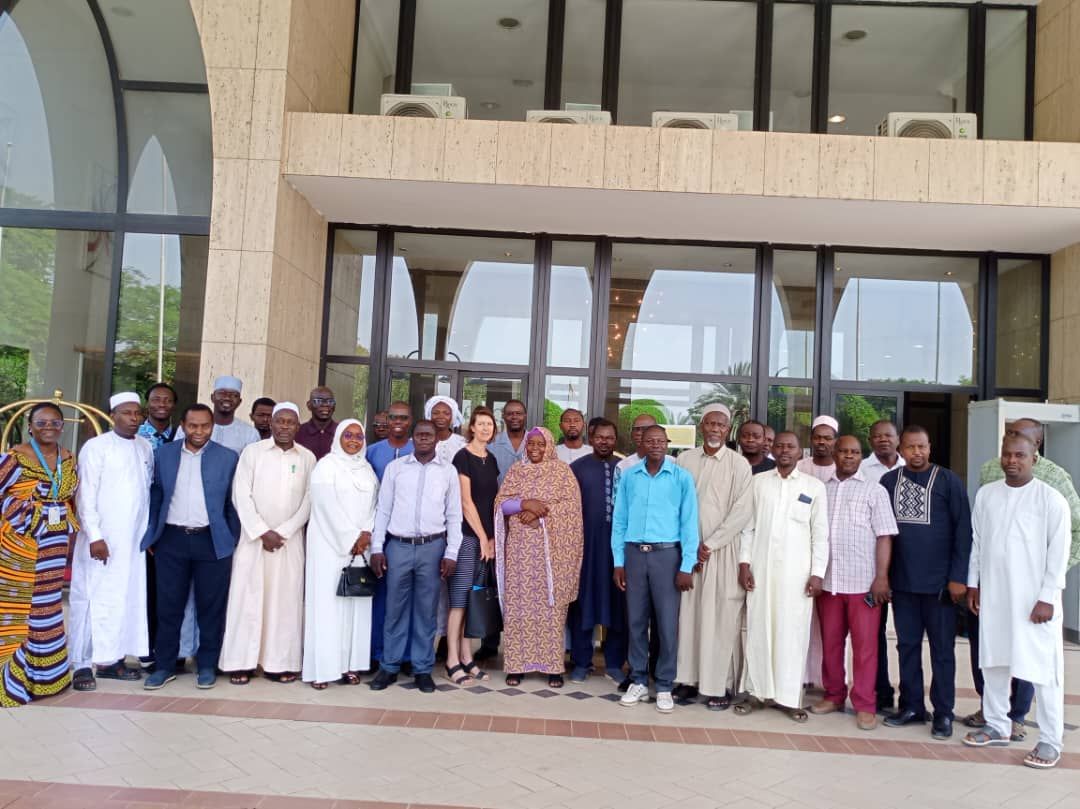
A three-day national workshop on groundwater governance kicked off today in N’Djamena, bringing together over fifty participants from public institutions, technical and financial partners, civil society, and user groups. The primary objective is to develop a consensus-driven, multi-stakeholder action plan that strengthens groundwater management and addresses critical challenges related to both quantity and quality.
Groundwater is the backbone of Chad’s water security, supporting drinking water supplies, agricultural irrigation, pastoral systems, and urban development—especially in regions facing climate stress and surface water scarcity. This workshop aims to create a robust framework for sustainable groundwater governance that safeguards this vital resource for current and future generations.
During the opening session, Natascha Paddison, representing UNICEF, emphasized the collective responsibility to ensure every child has equitable access to essential services like clean water, sanitation, and hygiene. She highlighted how groundwater decisions directly impact human health, education, economic growth, and human dignity, urging participants to leverage this resource as a foundation for progress rather than a source of conflict.
The workshop encourages knowledge sharing, experience exchange, and collaborative problem-solving to identify priority risks and develop actionable solutions. By fostering inclusive dialogue, stakeholders will work toward transforming groundwater into a safeguard for public health and a catalyst for sustainable development in Chad.
Fatimé Hassan, Director General of Water Resources, outlined the workshop’s goals: establishing a shared understanding of Chad’s groundwater landscape, pinpointing key governance challenges, and defining implementation strategies. Outcomes will be documented in a comprehensive report and a technical guidance note, incorporating findings from the 2026 national groundwater risk assessment.
The gathering includes representatives from national water authorities, sectoral ministries, regional organizations, financial partners, UN agencies, NGOs, the private sector, user groups, and academic experts. Together, they will craft recommendations for more effective, inclusive, and sustainable groundwater management in Chad.