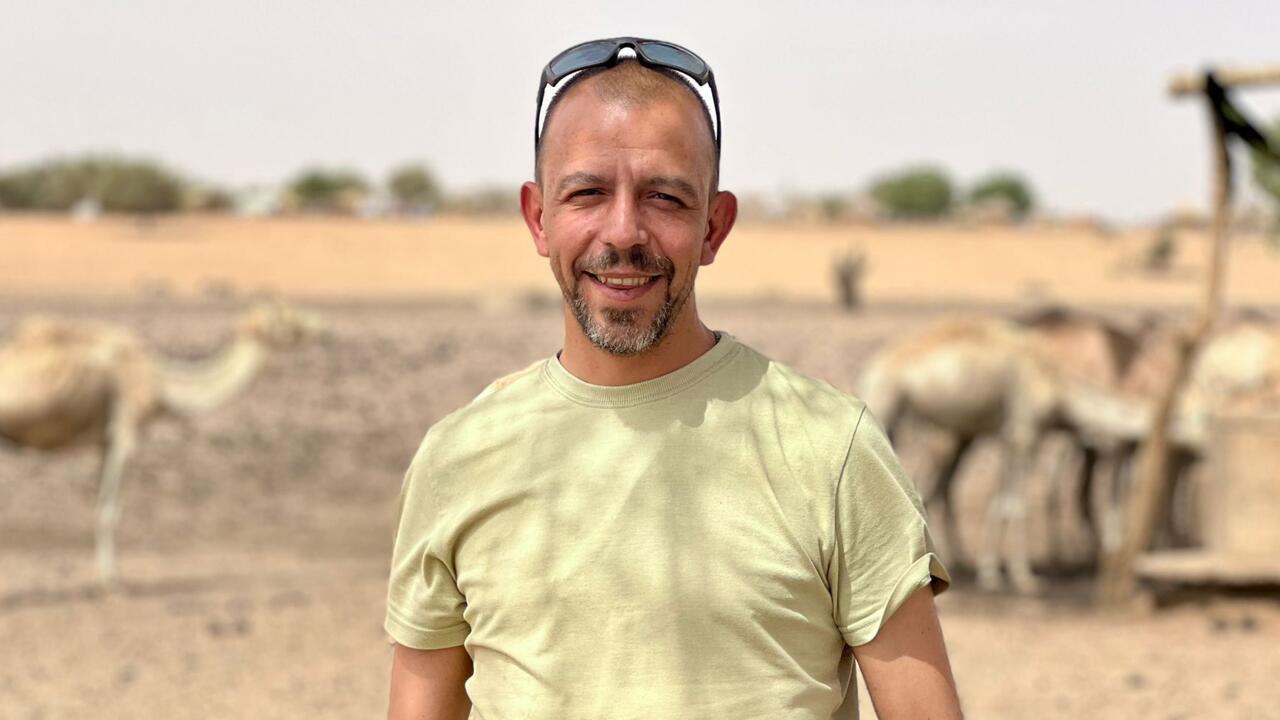
In a harrowing account from afar, Belgo-Portuguese researcher Joseph Figueira reveals the depths of terror he endured during his two-year captivity in the Central African Republic. His ordeal began in Zemio, a town in the country’s southeast, when he was seized by armed men linked to the notorious Wagner Group. After months of uncertainty, he was released on April 7 for humanitarian reasons, but not before facing conditions that nearly cost him his life.
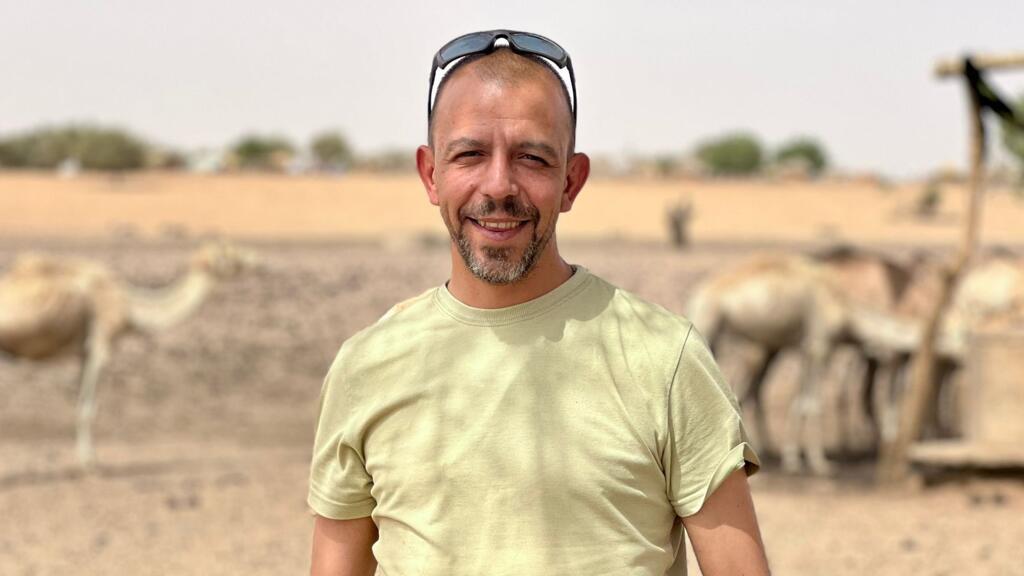
From the shadows of secret detention centers, Figueira’s experiences raise critical questions. Was his arrest a calculated move, or mere happenstance? Did he become a pawn in a larger game of political manipulation? Now recovering in Portugal with his family, he reflects on the darkest chapter of his life, sharing insights that shed light on the brutal tactics employed by Wagner-linked forces in the region.
a two-year nightmare in the heart of africa
The ordeal began on May 26, 2024, in Zemio, a remote outpost where Wagner’s influence looms large. Figueira, whose work focuses on humanitarian aid, found himself ensnared in a web of violence and coercion. His detention dragged on for 22 months, during which he was transferred between multiple facilities, including the notorious prison in Bria. There, he faced conditions so dire he feared he would not survive.
“At Bria, I truly believed my end was near,” he confesses. The prison, known for its harsh treatment of detainees, became a symbol of the brutality he endured. His account paints a stark picture of life under Wagner’s control, where human rights are secondary to political and financial motives.
targeted or caught in the crossfire?
Figueira’s arrest was not an isolated incident. Reports from international observers suggest that humanitarian workers in the Central African Republic have increasingly become targets, whether for propaganda purposes or to silence critical voices. His case highlights the growing risks faced by those operating in conflict zones where mercenary groups wield significant power.
The researcher’s release on humanitarian grounds offers a rare glimpse into the inner workings of Wagner’s operations. Yet, the circumstances surrounding his detention remain murky. Was he singled out due to his nationality, his profession, or something else entirely? Figueira’s testimony provides no clear answers, but it underscores the unpredictability and danger of working in such environments.
the human cost of mercenary rule
The Central African Republic has become a battleground not only for rival factions but also for foreign mercenaries who exploit the country’s instability. Wagner’s presence, though officially denied by Moscow, is widely documented. The group’s tactics—ranging from intimidation to outright violence—have left a trail of suffering in their wake.
Figueira’s ordeal is a testament to the human cost of this mercenary rule. His story is one of resilience, but it also serves as a warning about the dangers faced by those who dare to challenge or even simply operate in such a volatile region.
As he rebuilds his life in Portugal, Figueira’s experiences offer a chilling reminder of the realities in the Central African Republic. His account is not just a personal tragedy; it is a broader indictment of the lawlessness that plagues the Sahel and the humanitarian crisis it fuels.