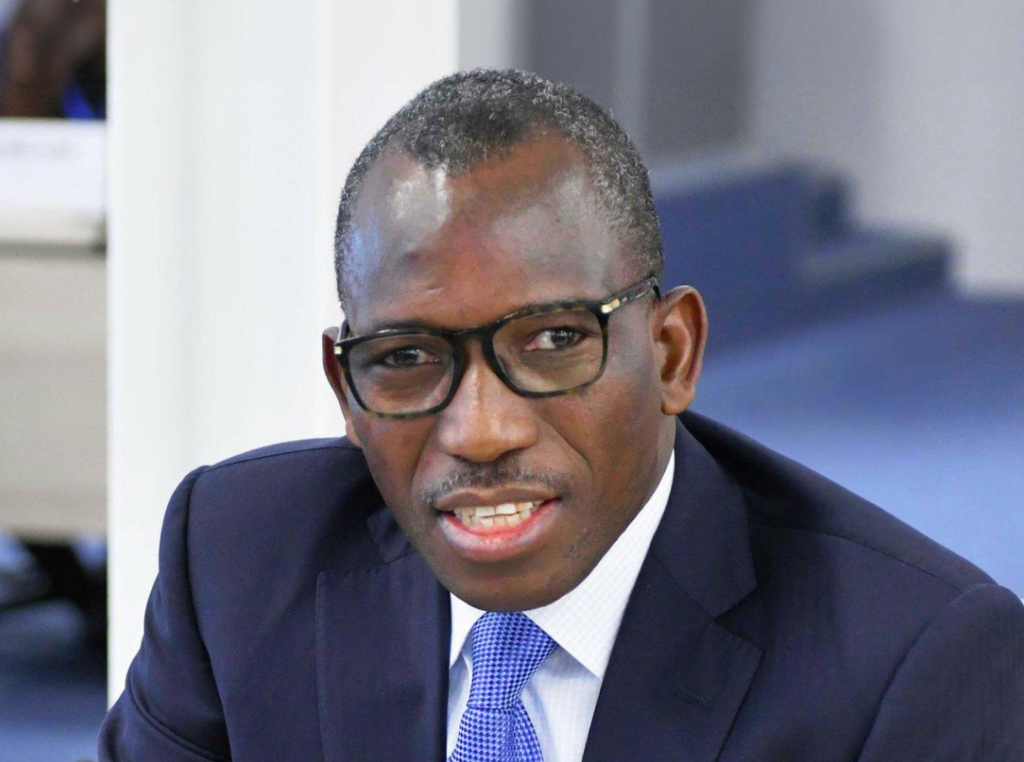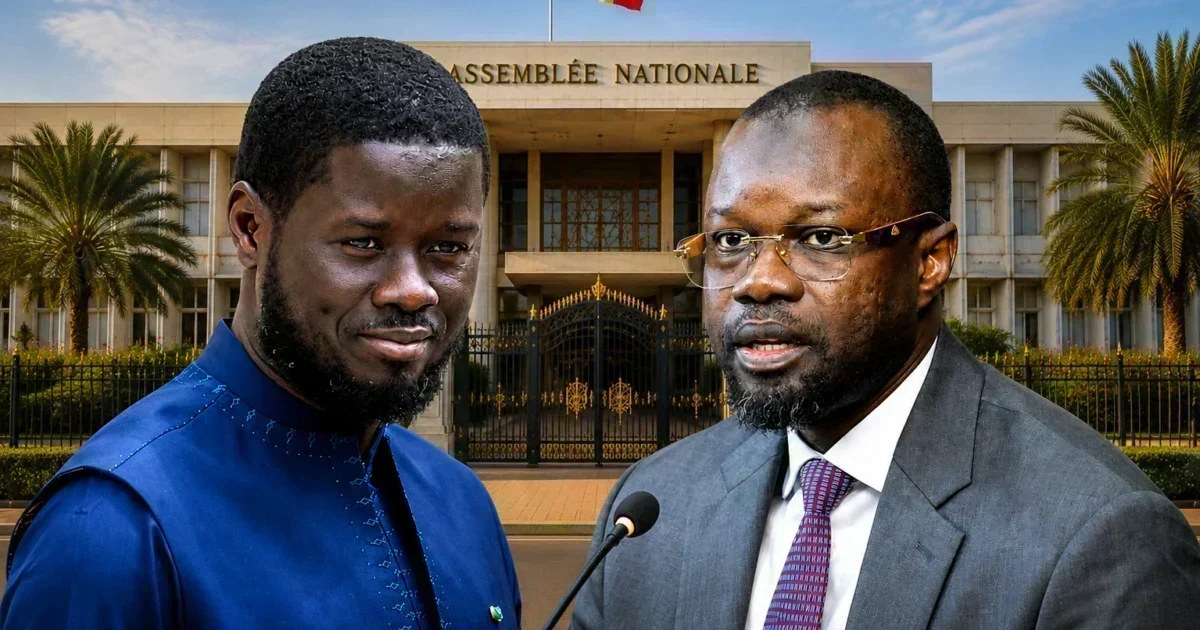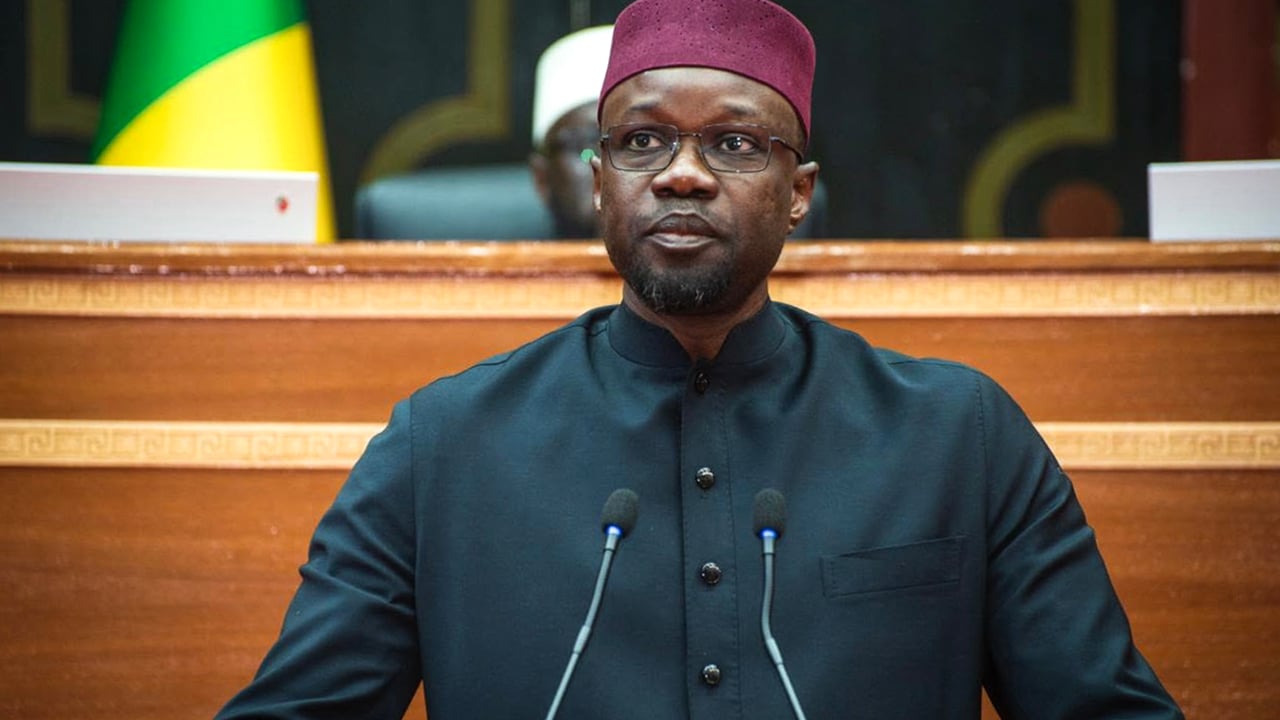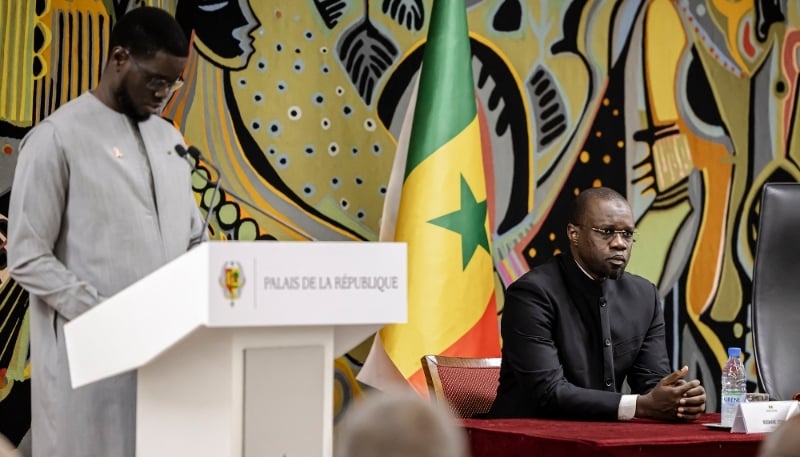
The fate of Ousmane Sonko’s potential candidacy in the 2029 presidential election hangs in the balance, as constitutional interpretations of the newly enacted electoral framework cast doubt on his eligibility. The debate surrounding the Pastef leader’s participation is intensifying, creating fresh uncertainties over the upcoming vote’s outcome.
Constitutional rulings could reshape the race
The newly promulgated electoral reforms introduce stricter eligibility criteria, leaving Sonko’s legal standing open to interpretation. Key provisions under scrutiny include residency and civil rights requirements, which could either clear or block his path to the ballot box. As legal experts weigh in, the Constitutional Council’s final decision may determine whether his ambitions remain viable.
Political stakes rise amid shifting legal landscape
Sonko’s potential exclusion from the race would significantly alter Senegal’s political dynamics, particularly as the nation prepares for a pivotal election cycle. The reform’s impact extends beyond his individual candidacy, reshaping broader electoral strategies for opposition and ruling parties alike. With public anticipation mounting, every legal maneuver now carries outsized consequences for the country’s democratic trajectory.
Public reaction and political maneuvering
The uncertainty has sparked vigorous debate among analysts and citizens, with some viewing the reform as a calculated move to sideline key contenders, while others argue it ensures fairer electoral practices. Meanwhile, political factions are recalibrating their approaches, with some rallying behind alternative candidates to capitalize on the shifting landscape.
The coming weeks will be critical as stakeholders await the Constitutional Council’s ruling—a decision that could either consolidate or disrupt the path to a peaceful and inclusive electoral process in Senegal.