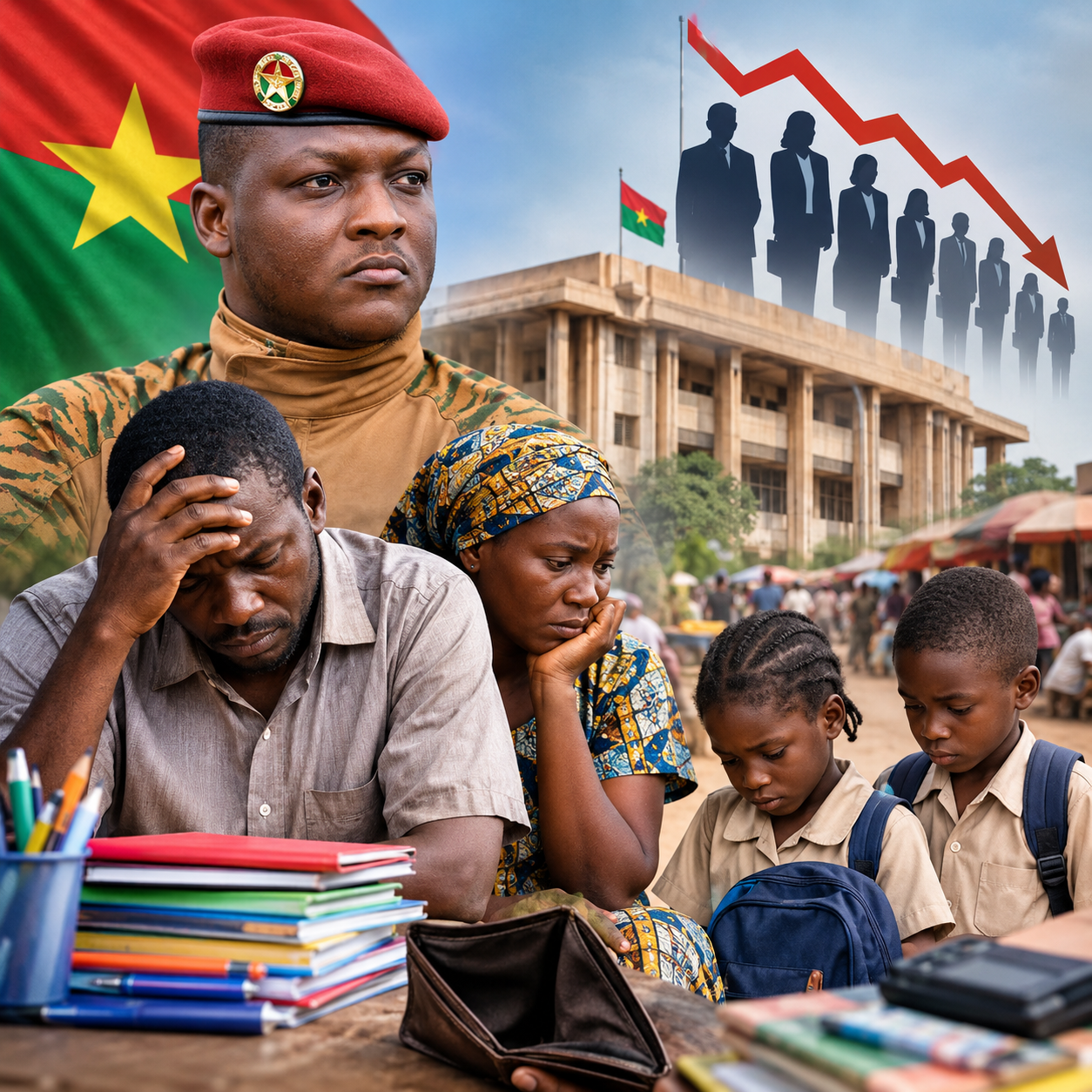
The latest figures from the Central Bank of West African States suggest inflation in the region has eased to a flat 0.0%, but for families across the Sahel, this improvement feels like a distant mirage. In Mali, Niger, and Burkina Faso—three nations united under the Alliance of Sahel States (AES)—the promise of economic relief has not crossed borders.
While global commodity prices have dipped and coastal areas bask in favorable weather, the Sahel’s heartland remains trapped in a cycle of soaring costs. Official explanations from Bamako, Niamey, and Ouagadougou often point to external forces or alleged foreign conspiracies, masking the harsh consequences of their own policy missteps.
the cost of over-militarization and neglected trade routes
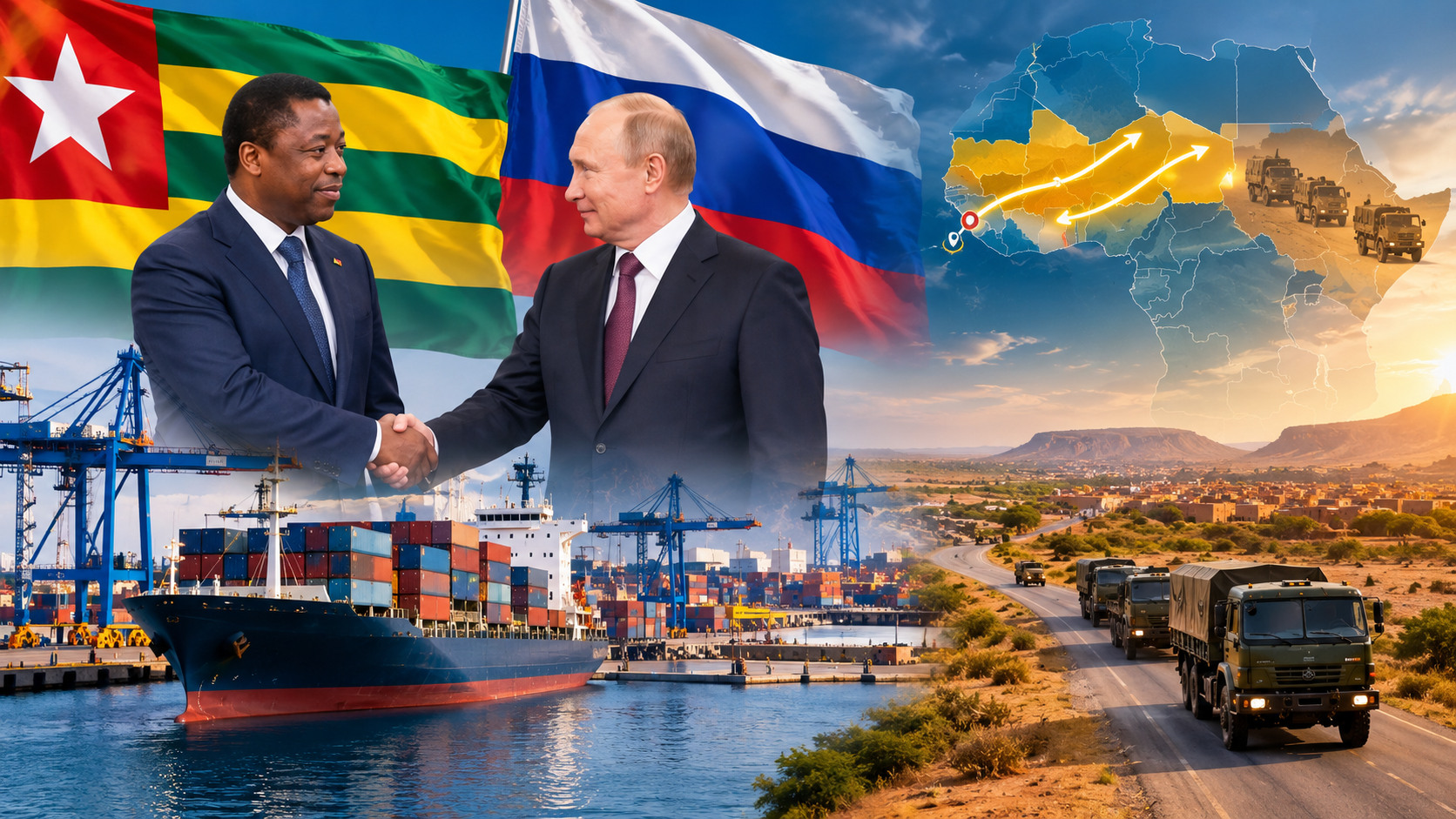
The primary driver of inflation in the region is unrelenting insecurity, yet the persistence of this crisis raises serious questions about the effectiveness of current transition strategies. Despite ambitious promises to reclaim lost territories, key trade arteries remain paralyzed. Insurgent blockades aren’t just military setbacks—they underscore a fundamental failure to protect the lifeblood of local economies.
Governments have poured scarce resources into military campaigns and hardware, leaving little for critical infrastructure like storage facilities or agricultural support. As access to fertile land shrinks under prolonged conflict, domestic food production stagnates. The result? A militarized economy that has failed to restore security but has succeeded in choking off the food supply.
empty sovereignty rhetoric and costly detours
The AES’s bold declarations of economic independence clash sharply with the reality of rising prices. Efforts to bypass traditional trade networks in favor of politically aligned routes have backfired, forcing goods to take longer, more convoluted paths—and pushing up costs at every step. Families shopping in local markets bear the brunt of these ideological shortcuts.
Centralized, sometimes heavy-handed control over distribution networks only worsens the problem. Price controls imposed by fiat and pressure on long-established traders stifle private initiative, creating artificial shortages and feeding a thriving black market where prices spiral out of reach.
when monetary policy falls short
The Central Bank’s tightening measures offer little relief against structural inflation driven by real supply shortages and severed trade routes. Higher interest rates cannot restore roads, revive farms, or reopen locked borders. But the deeper issue lies in the fiscal squeeze gripping these nations.
By distancing themselves from regional funding pools and solidarity mechanisms, Mali, Niger, and Burkina Faso have narrowed their financial breathing room. With state coffers drained by security spending and the costs of maintaining transition governments, there’s little left to fund social safety nets or subsidies to cushion families from skyrocketing living costs.
As long as AES leaders prioritize political posturing and narratives of victimhood over pragmatic economic governance and real security for traders and farmers, the burden of high prices will continue to strain households. The official inflation data from UEMOA will remain a hollow statistic for millions in the Sahel who struggle to put food on the table.