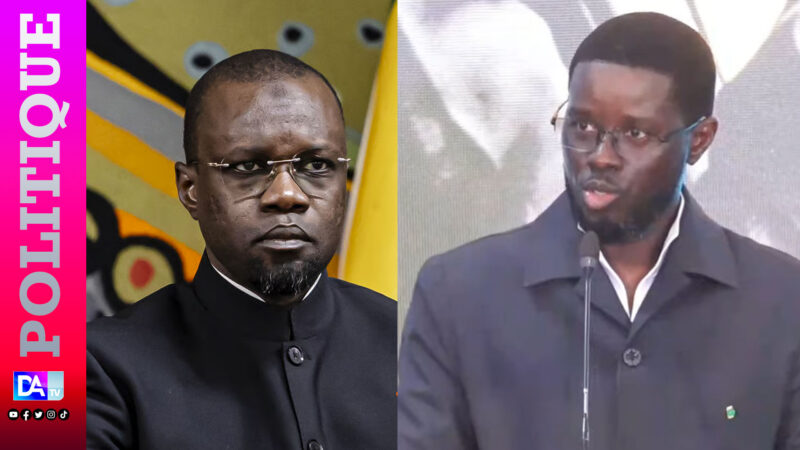
Senegal’s president bassirou diomaye faye launches new political party kiiraay in Dakar
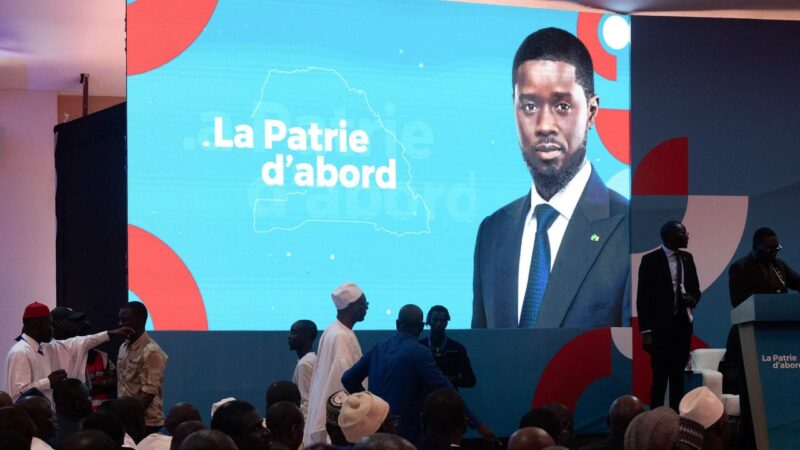
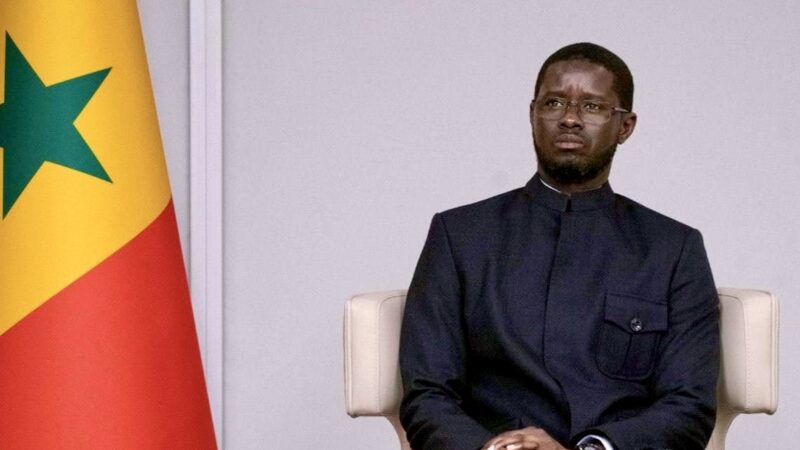
President Bassirou Diomaye Faye of Senegal marked a pivotal moment in the nation’s political landscape on Saturday, July 25, in Dakar, by formally establishing KIIRAAY – Les Patriotes Républicains. This announcement, delivered during a constituent general assembly held at a capital city hotel, signifies the head of state’s political autonomy from the African Party for Independence, Work, Ethics, and Fraternity (PASTEF), the very political formation that had propelled him to power in March 2024. The newly formed party adopts the motto “La Patrie d’abord” (Homeland First), immediately signaling a commitment to national sovereignty and robust institutional governance.
A deliberate break with Ousmane Sonko
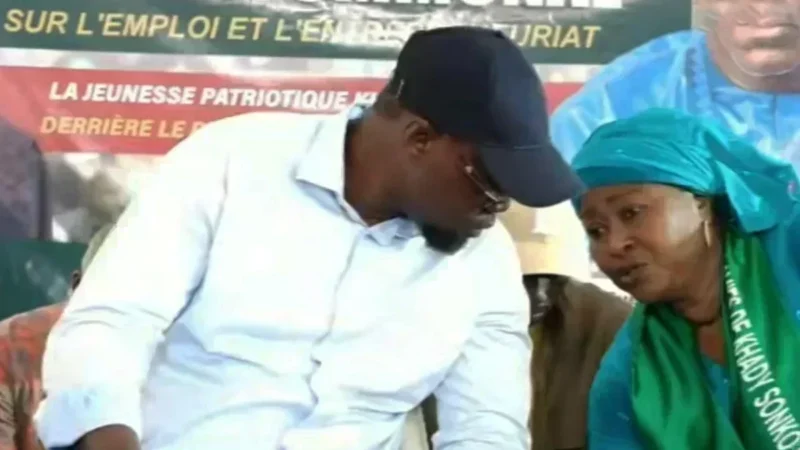
The emergence of KIIRAAY unfolds against a backdrop of public disagreements between Bassirou Diomaye Faye and his former mentor, Ousmane Sonko, who continues to lead PASTEF and serves as Prime Minister. For an extended period, the two figures were seen as complementary faces of a shared movement for change. However, their paths have visibly diverged in recent months, culminating in this now-formalized organizational separation. For President Faye, creating his own distinct party structure represents a move away from an increasingly uncomfortable political dependency, equipping him with an apparatus aligned with his presidential decisions.
The symbolic significance of the chosen name is profound. In Wolof, the term “kiiraay” evokes the concept of protection, a sentiment that starkly contrasts with the confrontational and protest-driven posture long embodied by PASTEF. While the former party cultivated a rhetoric of sovereignty through rupture, this new formation aims to integrate patriotism, republican ideals, and institutional stability. This semantic shift reflects the head of state’s repositioning towards a more institutional center of gravity as he solidifies his exercise of power.
Embracing a patriotic and republican stance
KIIRAAY’s outlined roadmap emphasizes defending national interests, strengthening republican institutions, and consolidating the rule of law. These core principles, articulated during the founding assembly, delineate a project less focused on protest and more oriented towards managing the state apparatus. The designation “Les Patriotes Républicains” seeks to reconcile two crucial registers: a deep attachment to sovereignty, a defining characteristic of the Faye-Sonko camp since the 2022 legislative elections, and a steadfast commitment to republican norms, a pledge intended to reassure administrative, economic, and diplomatic elites.
This strategic framing holds significant implications for Senegal’s international partners. Since assuming the presidency, Bassirou Diomaye Faye has consistently signaled openness to donors and investors, even while pursuing the renegotiation of certain strategic contracts in the hydrocarbon and mining sectors. The establishment of a party explicitly centered on institutions aims to foster confidence in the predictability of public policy, particularly as Dakar strives to maintain access to financial markets and its relationship with the Fonds monétaire international.
Reshaping Senegal’s political landscape
The advent of KIIRAAY inherently reconfigures the existing power dynamics within Senegal. PASTEF, now operating without presidential endorsement, retains a significant grassroots base but loses the symbolic leverage of the presidential palace. Traditional opposition parties, from the Parti démocratique sénégalais to the structures inherited from the Benno Bokk Yaakaar coalition, must recalibrate their strategies in the face of a presidential majority now equipped with its own distinct partisan backbone. A key question remains: what proportion of the PASTEF apparatus, especially among deputies elected in November 2024, will migrate to the new structure?
The political calendar further underscores the stakes. Upcoming local elections and the preparations for the 2029 presidential ballot will serve as the first major tests for KIIRAAY. The party must swiftly demonstrate its capacity to establish a territorial network, formulate a distinct programmatic platform, and mobilize support beyond the militant base inherited from the 2024 campaign. Practically, the battle will also be waged over control of party resources, administrative relays, and regional economic networks.
For Bassirou Diomaye Faye, the political equation thus shifts from the realm of personal loyalty to the institutional construction of a potent presidential force. This development ushers in a new political phase for Senegal.