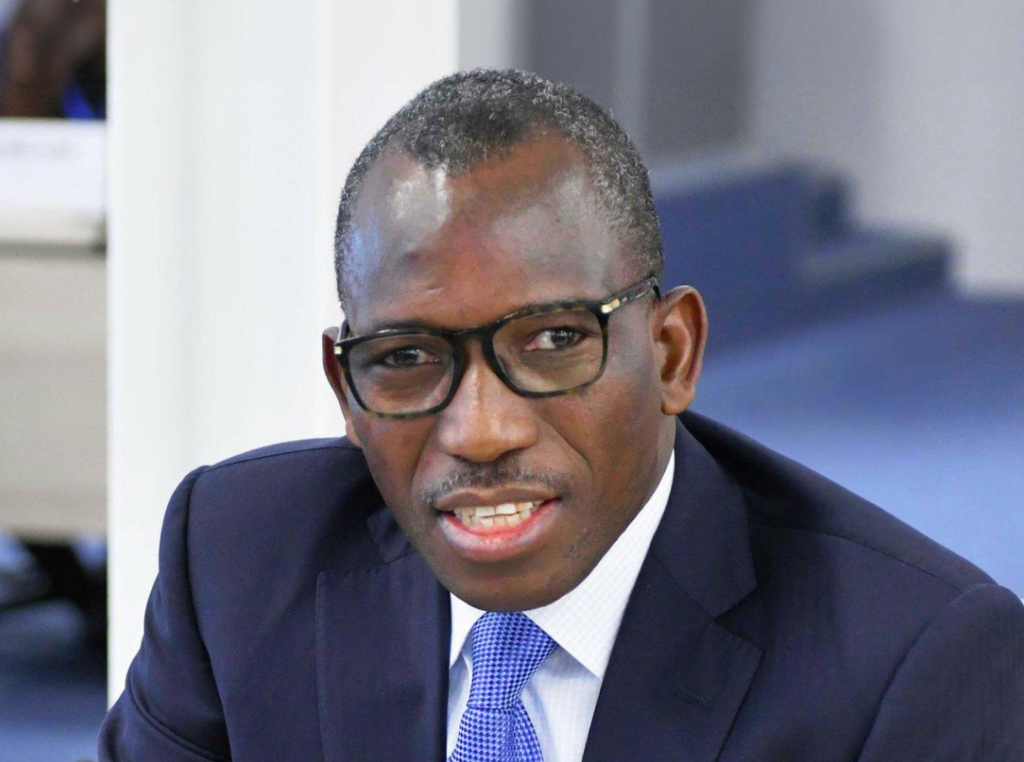
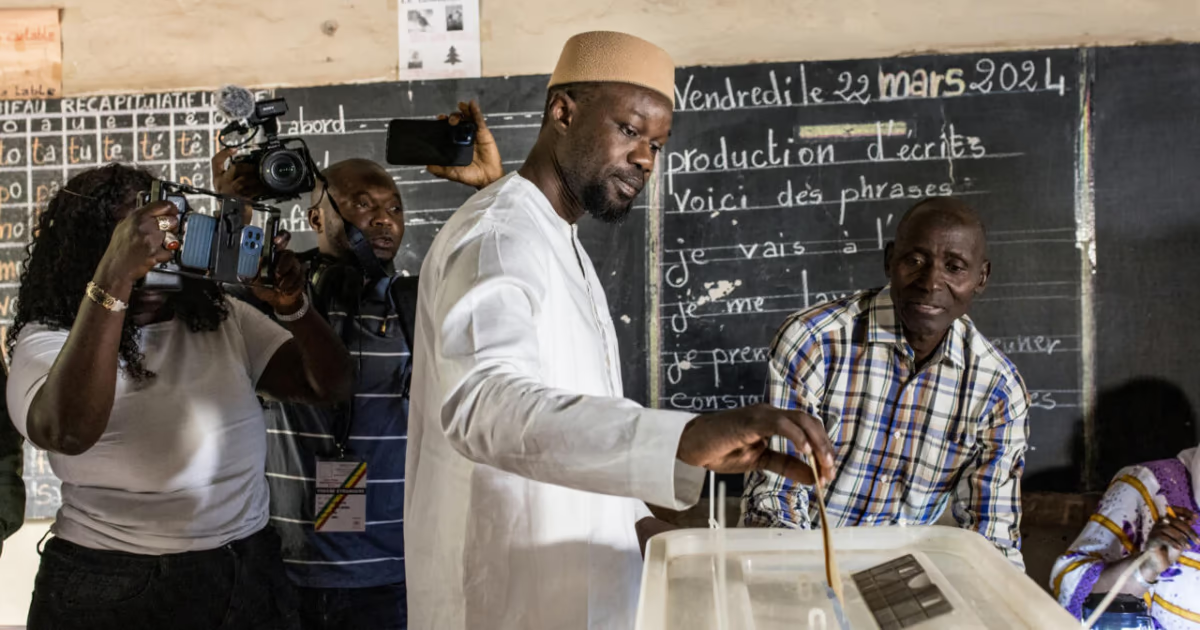
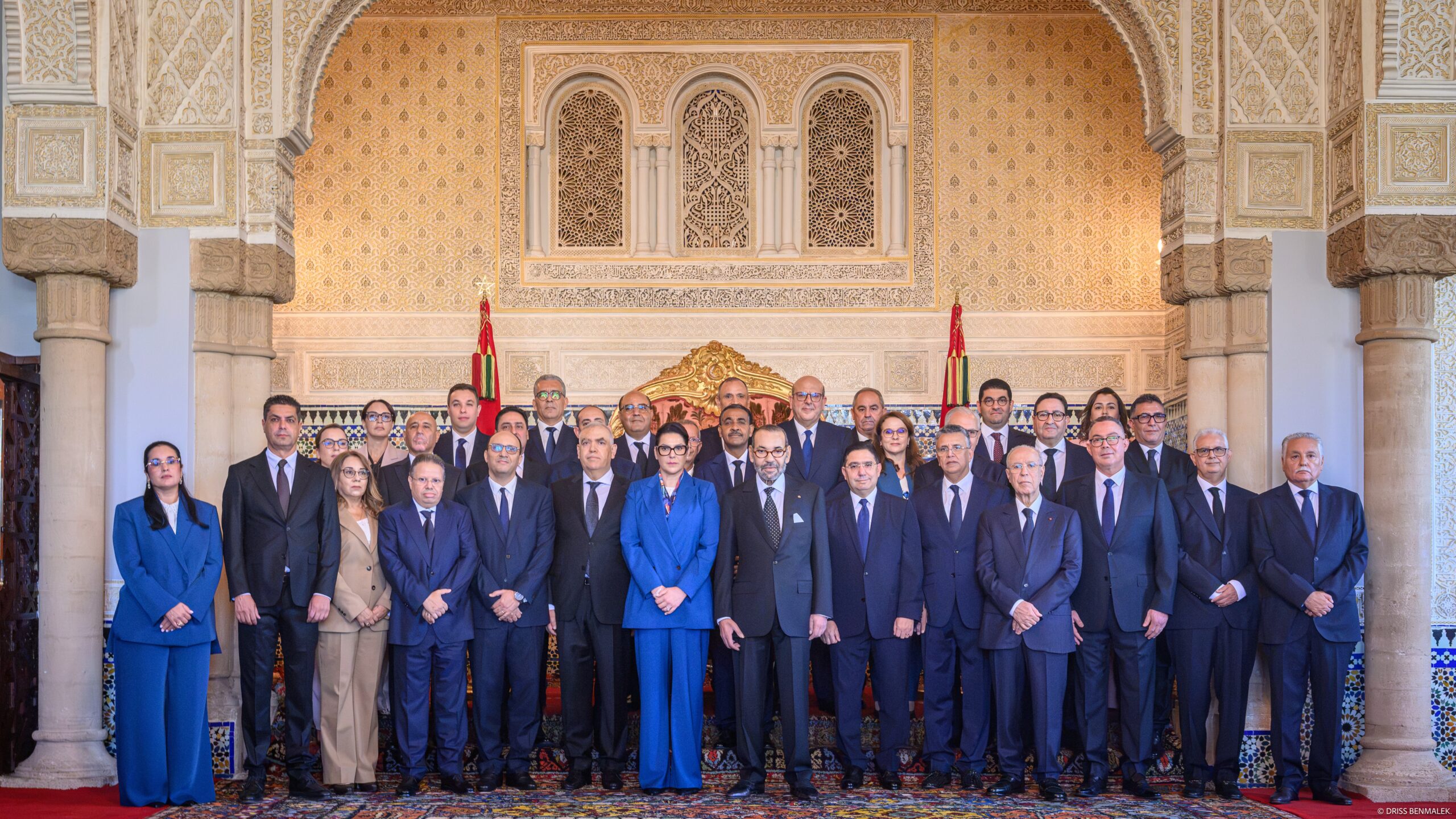
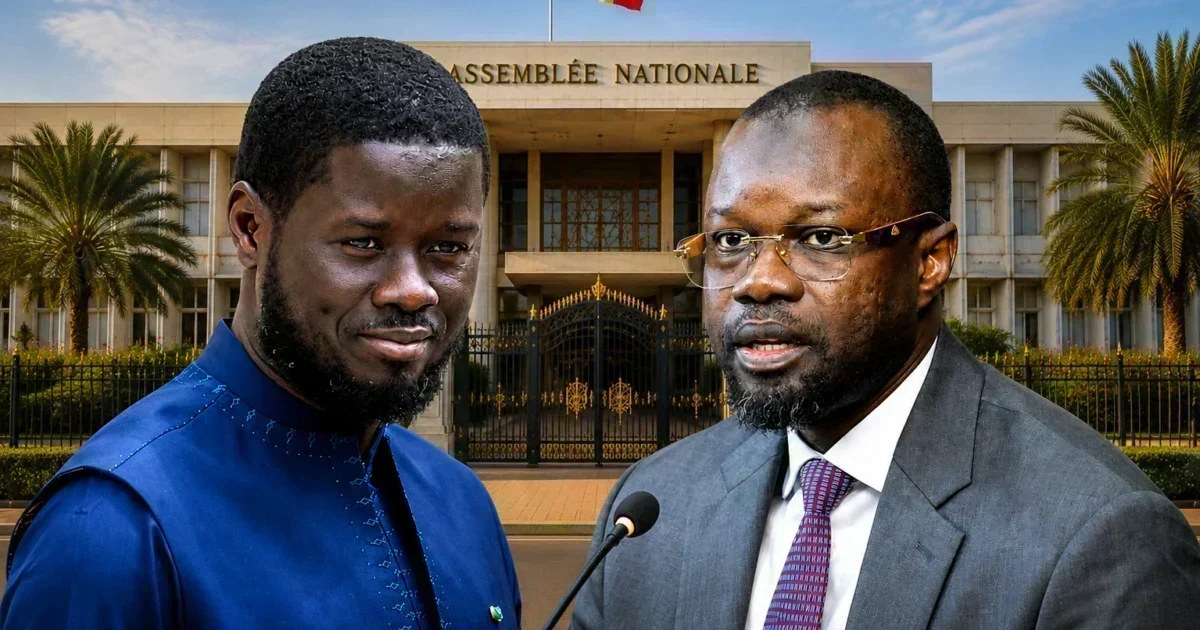
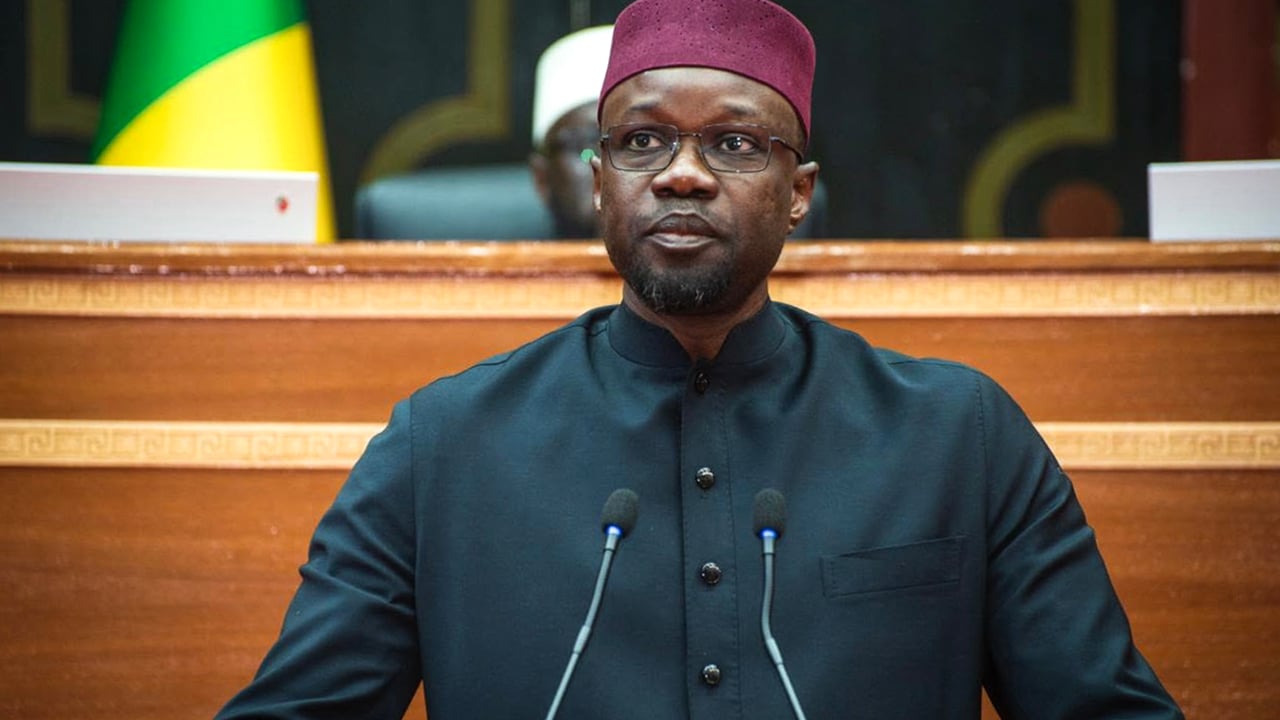
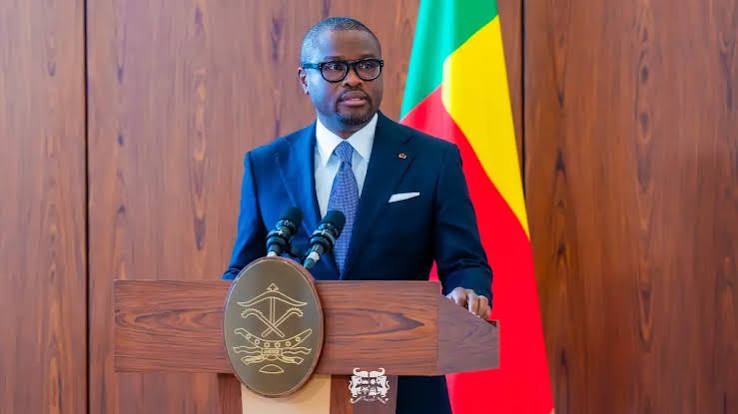
The political landscape in Senegal has undergone a dramatic reshuffle in recent days, culminating in a series of high-stakes appointments and strategic realignments. Within just four days—from May 22, when Prime Minister Ousmane Sonko was dismissed by President Bassirou Diomaye Faye, to May 26, when Sonko secured the National Assembly presidency—the country witnessed what observers describe as “an unprecedented political acceleration.” The swift transition also included the appointment of Ahmadou Alhaminou Mohamed Lô as the new head of government on May 25, signaling a clear shift in the balance of power.
With the dust beginning to settle, many are now asking: how will this political recalibration impact economic decision-making amid mounting financial pressures? The stakes could not be higher. “Senegal is teetering on the brink of a financial precipice,” warned economist Abdoulaye Ndiaye in a widely circulated analysis. Public debt has soared to 132% of GDP, while rising energy costs—exacerbated by geopolitical disruptions such as the blockade of the Strait of Hormuz—have further strained the nation’s fiscal resilience. The economic outlook grows increasingly precarious by the day.
For months, efforts to restructure the economy in line with International Monetary Fund (IMF) recommendations have faced stiff resistance, particularly from the Pastef party, which had staunchly opposed such measures. However, the latest political developments have sparked speculation that the new administration may adopt a more cooperative stance toward the IMF’s proposed reforms. Though no official announcements have been made, the shifting dynamics within Senegal’s corridors of power suggest a potential realignment in economic policy direction.