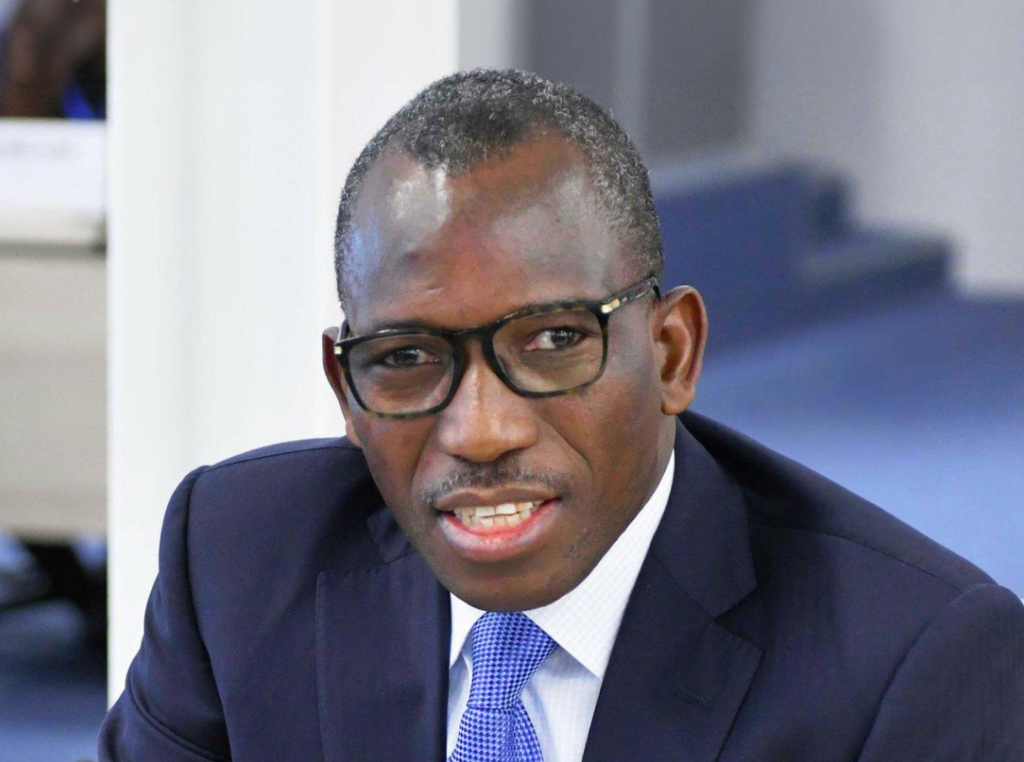
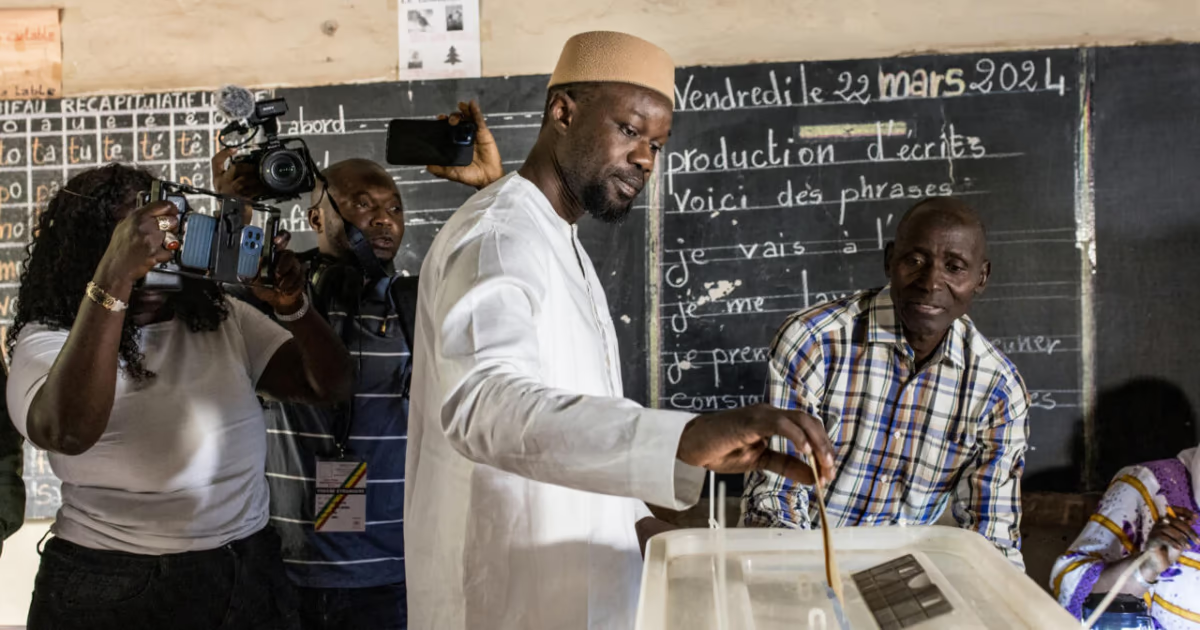
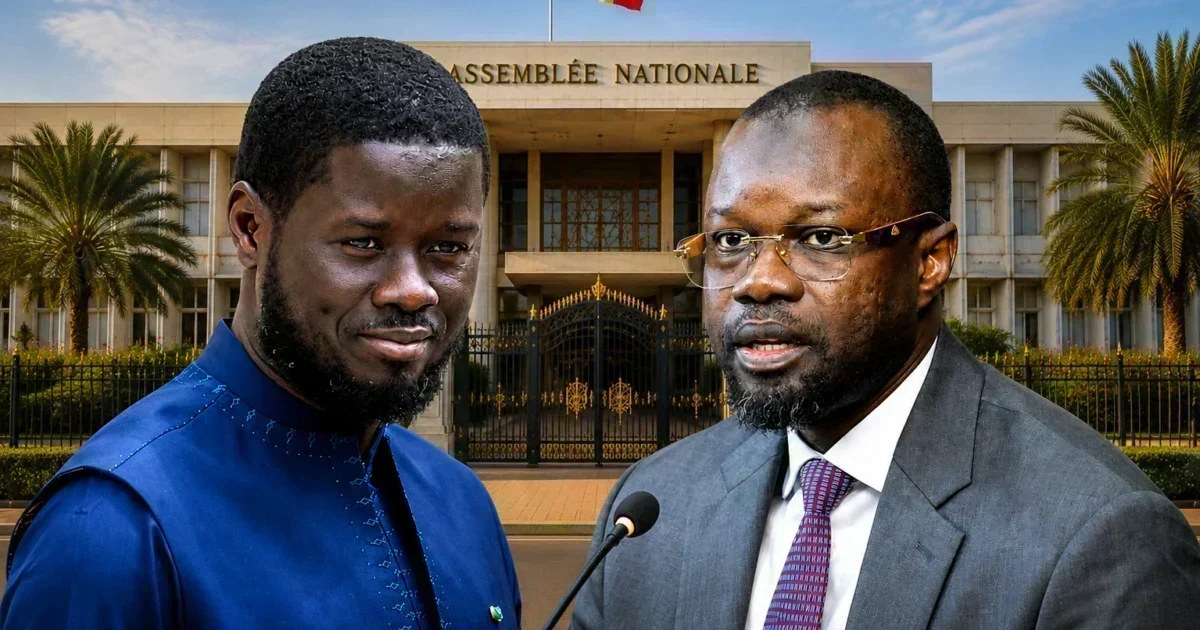
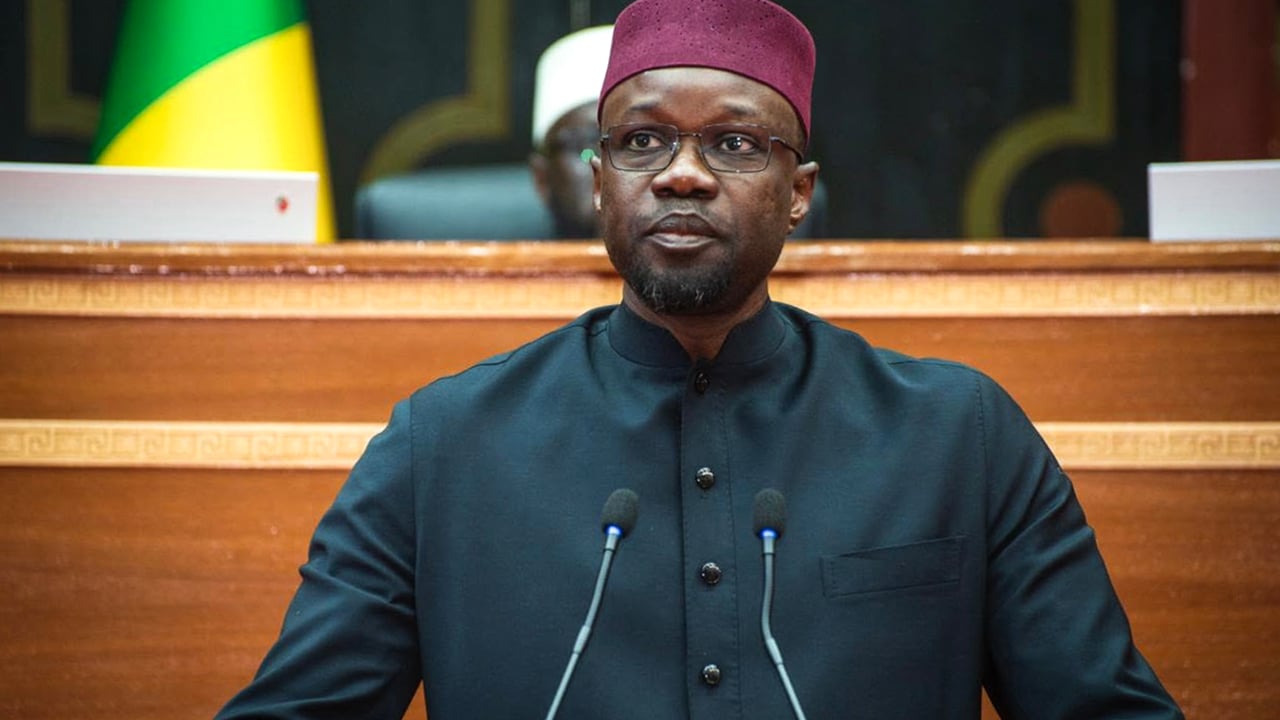
Senegal is navigating one of the most challenging political periods since the March 2024 electoral victory of President Bassirou Diomaye Faye and his running mate, Ousmane Sonko. Once portrayed as inseparable pillars of the Pastef movement, the two leaders now face growing divisions that are reshaping the country’s political landscape.
This evolving dynamic unfolds against a backdrop of historic significance. In 2024, Ousmane Sonko—facing legal barriers to his presidential candidacy—endorsed Bassirou Diomaye Faye, who was also detained at the time, as the Pastef’s official candidate. Their triumph was widely interpreted as both a milestone in the fight against the prior administration’s policies and the dawn of a transformative chapter in Senegalese politics.
Challenges of governing after opposition unity
However, the realities of governance often reshape the alliances forged in opposition. More than a year into the new administration, the relationship between Faye and Sonko appears to be entering uncharted territory. Recent remarks by Sonko—characterised by direct criticism and revelations about alleged political agreements formed during the lead-up to the 2024 elections—signal a clear bid to reclaim the political initiative.
Government formation signals shifting alliances
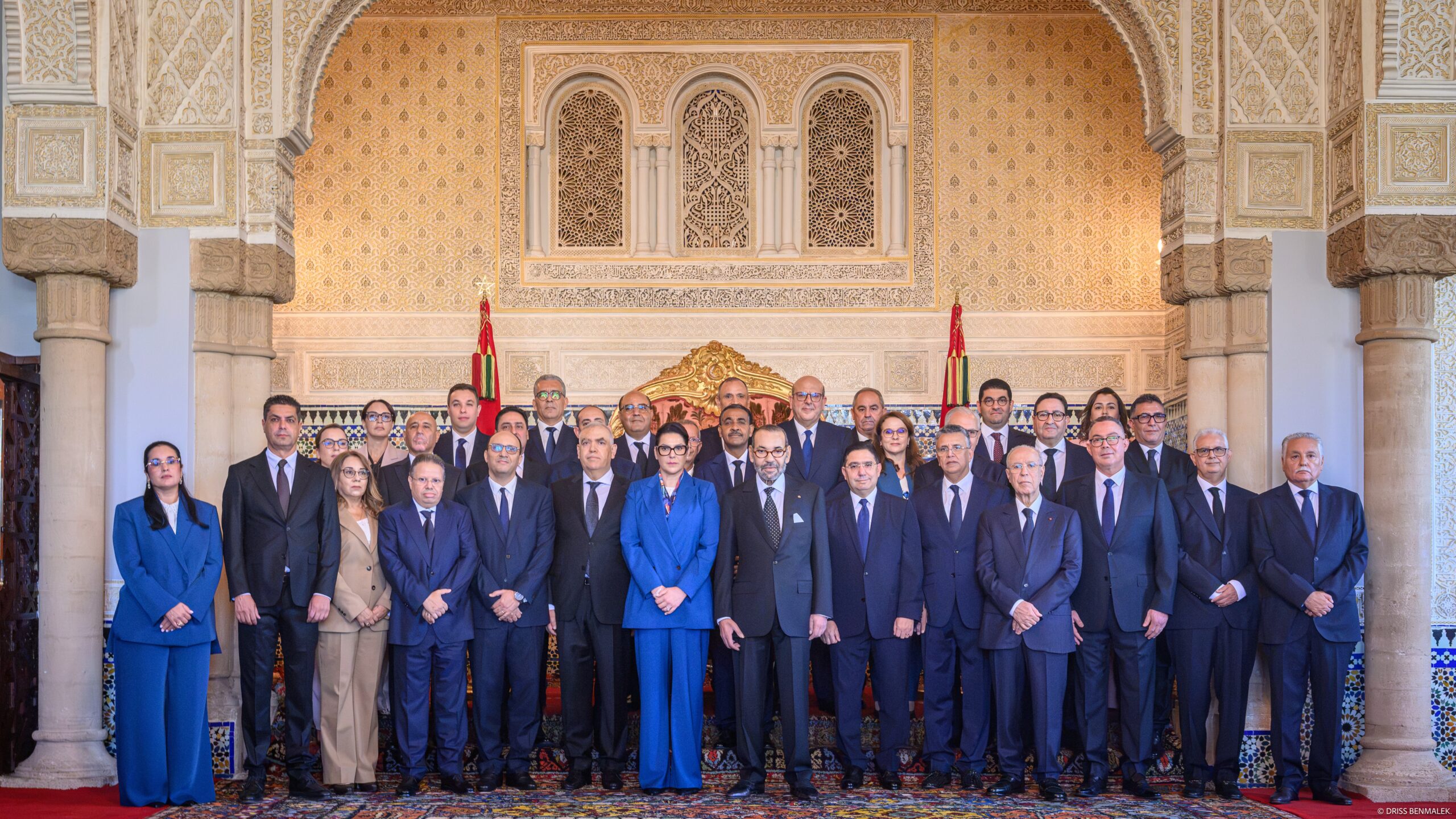
As the nation prepared to swear in Prime Minister Al Aminou Lo’s new cabinet, Sonko made a decisive announcement: no Pastef members would be included in the government. This stance marks a deliberate departure from the collaborative governance model that followed the 2024 victory, hinting at an emerging divide between the state apparatus and the party structure.
Diverging sources of legitimacy
The tension between the two leaders extends beyond personalities—it strikes at the heart of political legitimacy in Senegal. President Bassirou Diomaye Faye derives his authority from universal suffrage and the functioning of democratic institutions, while Ousmane Sonko remains, for many supporters, the visionary force behind the Pastef’s rise to power and the architect of its electoral success.
Historical parallels in African politics
This duality is not without precedent in African political history. Movements that achieve power often encounter friction between the elected leader, whose mandate rests on institutional legitimacy, and the party leader, whose influence stems from grassroots mobilisation and organisational control. When these competing centres of power clash, the risks of institutional paralysis and political fragmentation escalate.
A crisis with national implications
For now, the situation remains fluid. Despite the escalating tensions, both leaders retain a shared electoral base and a political vision that continues to resonate with their supporters. Yet the hardening of rhetoric and deepening mistrust suggest that a fundamental realignment of power is underway.
The stakes extend far beyond personal ambitions. At issue is Senegal’s ability to safeguard its democratic stability while advancing the economic and social reforms promised to its citizens. As a frequently cited model of democratic governance in West Africa, the trajectory of the Faye-Sonko relationship could shape the future of the Pastef—and the broader political equilibrium—for years to come.
The coming months will reveal whether this confrontation culminates in a strategic reconciliation, a contentious cohabitation, or an outright political split between the two architects of Senegal’s 2024 political transition.