Senegal political split may reshape opposition landscape

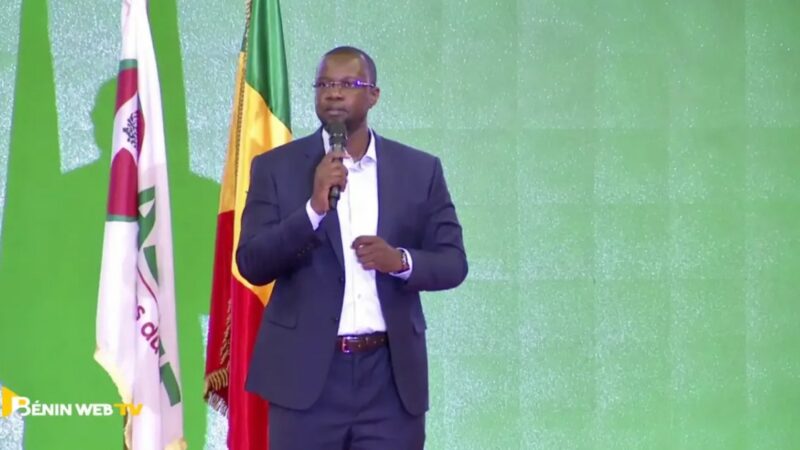
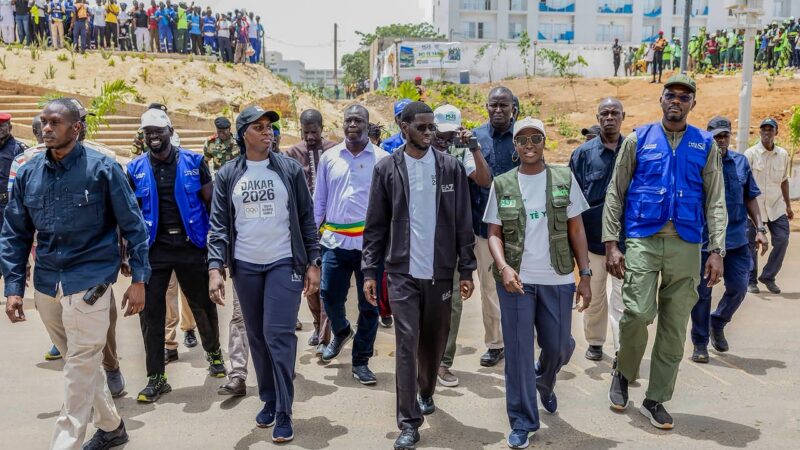
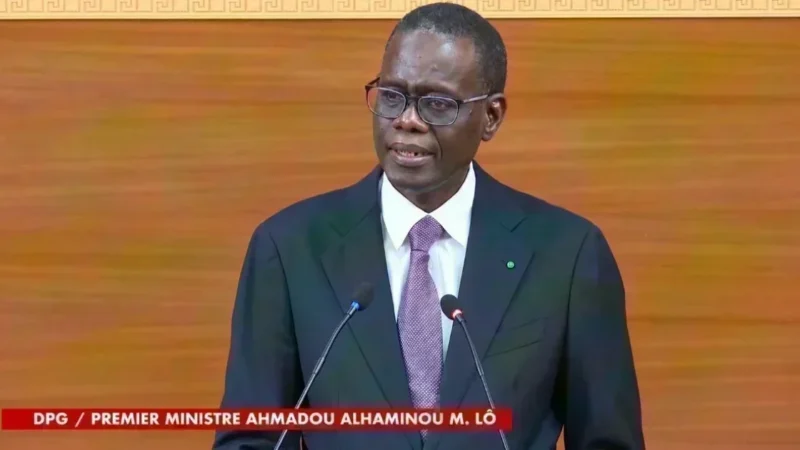
The recent rift between Ousmane Sonko and Bassirou Diomaye Faye is sending shockwaves through Senegal’s political arena, leaving many to wonder whether the opposition can leverage this division to regain ground. The split, which has been brewing for months, now appears irreversible, raising critical questions about the future of the country’s opposition forces.
What sparked the rupture between Sonko and Faye?
The growing tension between the two leaders stems from deep disagreements over strategy and vision. While both are prominent figures in Senegal’s political landscape, their approaches to governance and opposition tactics have increasingly clashed. Observers note that personal ambitions and ideological differences have further widened the gap, making reconciliation unlikely in the near term.
How could this divide impact the opposition’s unity?
The fracture between Sonko and Faye threatens to fragment the opposition coalition, which has long relied on their combined influence to challenge the ruling party. Analysts suggest that without a unified front, the opposition’s ability to mobilize voters and present a cohesive alternative could be severely weakened. This internal strife may also deter potential allies from joining their ranks, further isolating key opposition figures.
The situation is further complicated by the rise of new political movements that are capitalizing on the uncertainty. Grassroots organizations and younger voters, in particular, are growing disillusioned with traditional opposition strategies, potentially shifting the balance of power in unpredictable ways.
What are the potential consequences for Senegal’s political future?
The consequences of this rupture extend beyond party lines, affecting the broader political stability of Senegal. A fractured opposition could embolden the ruling party to push through unpopular policies without fear of significant resistance. Meanwhile, the public’s confidence in political institutions may erode, fueling skepticism about the effectiveness of democratic processes.
For the opposition to regain momentum, strategic realignment may be necessary. Some analysts believe that a new leadership could emerge, one that bridges generational divides and offers a fresh vision for Senegal’s future. However, the path forward remains uncertain, with both Sonko and Faye yet to signal any willingness to compromise.
Key takeaways
- The split between Ousmane Sonko and Bassirou Diomaye Faye is reshaping Senegal’s political landscape.
- The opposition risks losing cohesion, making it harder to challenge the ruling party effectively.
- Grassroots movements and younger voters may drive new political dynamics.
- The long-term stability of Senegal’s democracy could be at stake if the opposition fails to regroup.