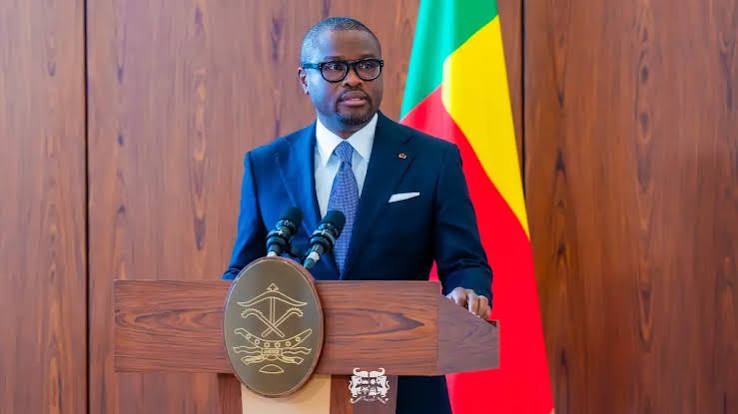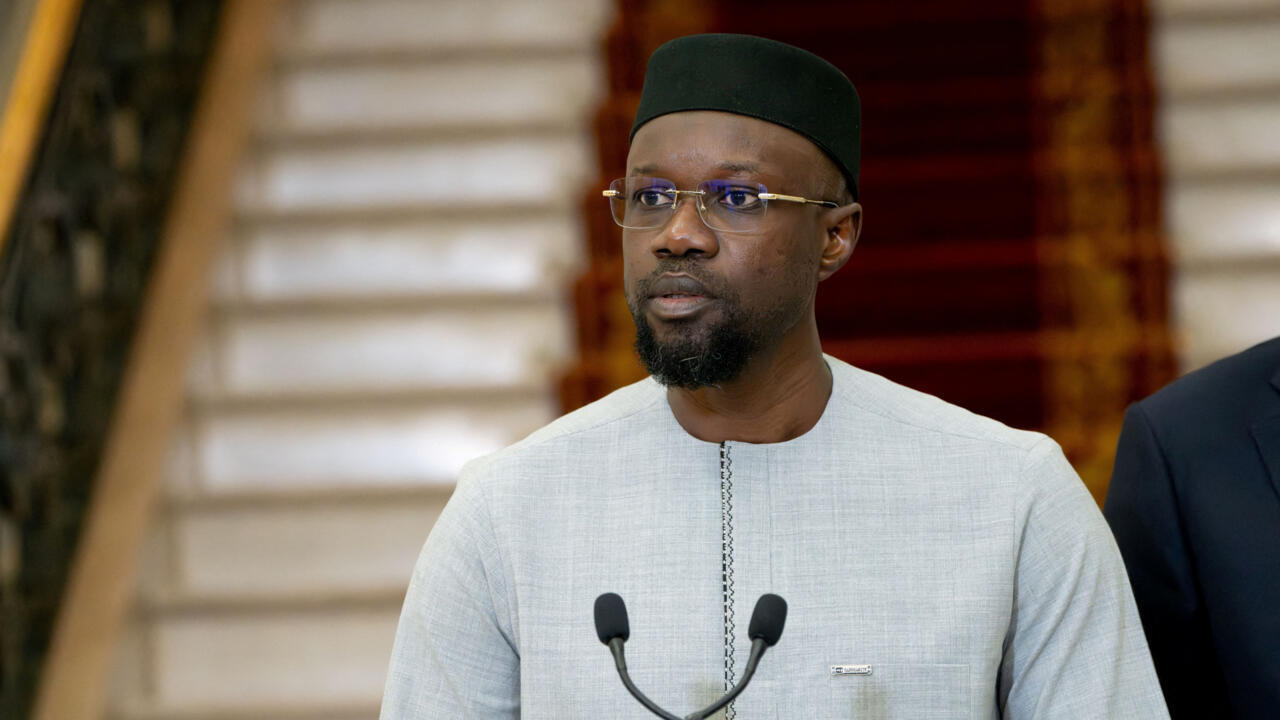
This morning, Senegal stands at a pivotal crossroads following the appointment of a new Prime Minister and the impending election of the National Assembly President. Political dynamics have shifted overnight, setting the stage for a decisive legislative session.
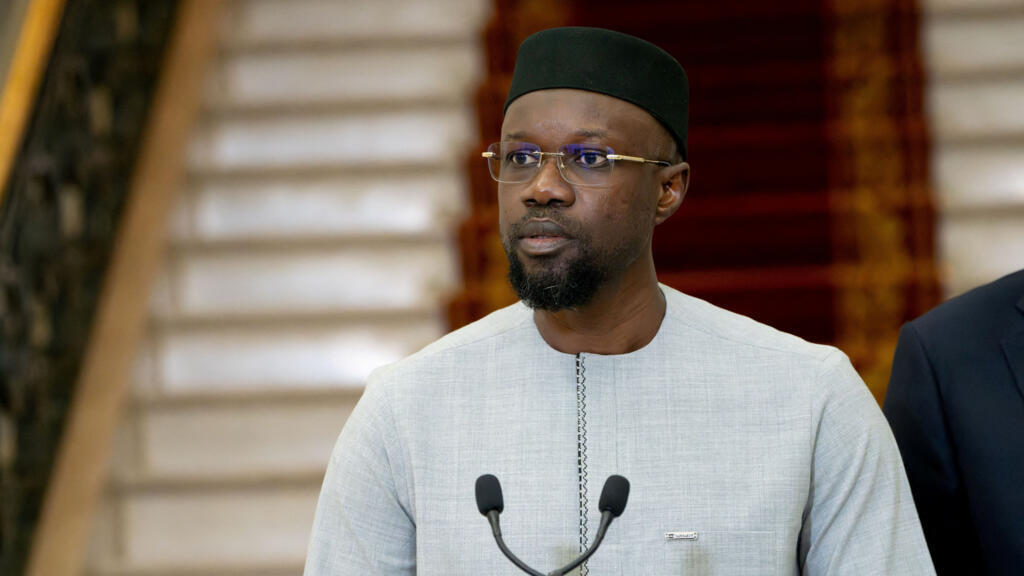
new prime minister: a strategic financial architect takes the helm
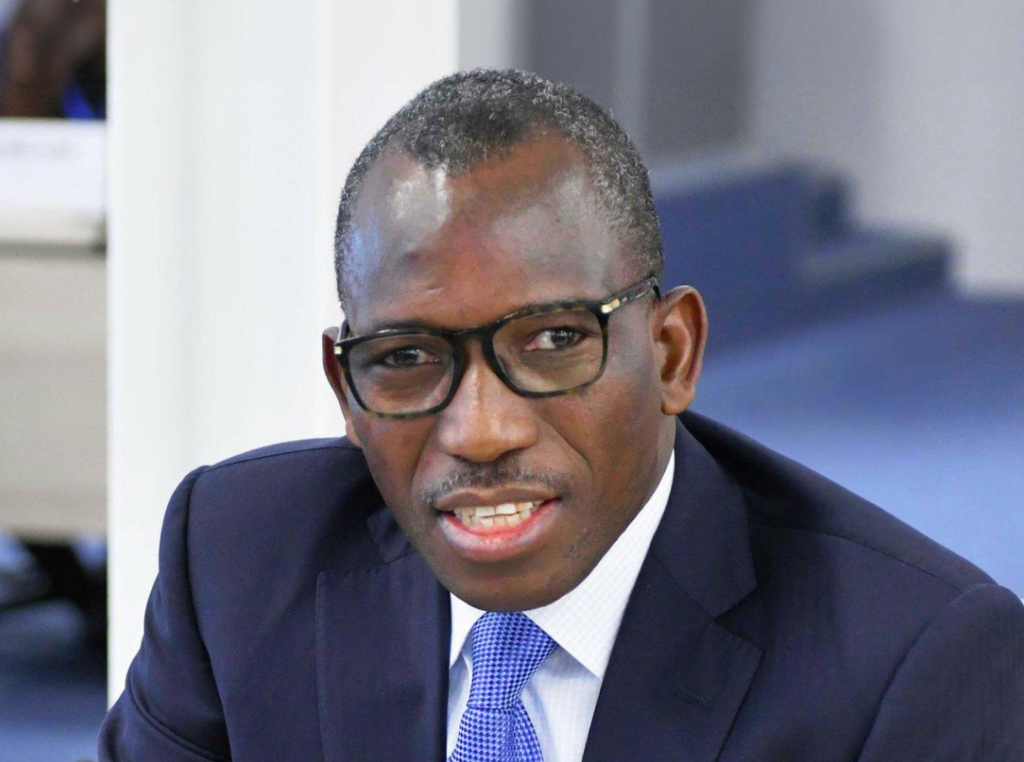
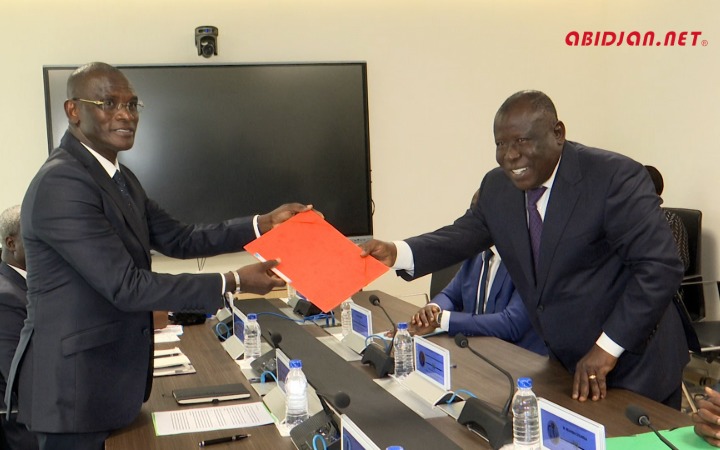
Ahmadou Al Aminou Mohamed Lo has been sworn in as Senegal’s new Prime Minister, taking over from Ousmane Sonko in a move analysts describe as a shift from populist rhetoric to technical expertise. Lo, previously Minister of the National Agenda for Senegal 2050, brings deep financial acumen to the role, with expertise in domestic and international fiscal circuits—a profile deemed critical amid tight budget constraints and ambitious national development goals.
Media outlets highlight Lo’s track record in macroeconomic policy, banking regulation, financial markets, and Islamic finance, noting his pivotal role in shaping Senegal’s new governance framework. His appointment underscores President Bassirou Diomaye Faye’s strategy of leveraging financial specialists to navigate economic challenges while advancing long-term reforms.
Sonko’s parliamentary ambitions ignite political confrontation
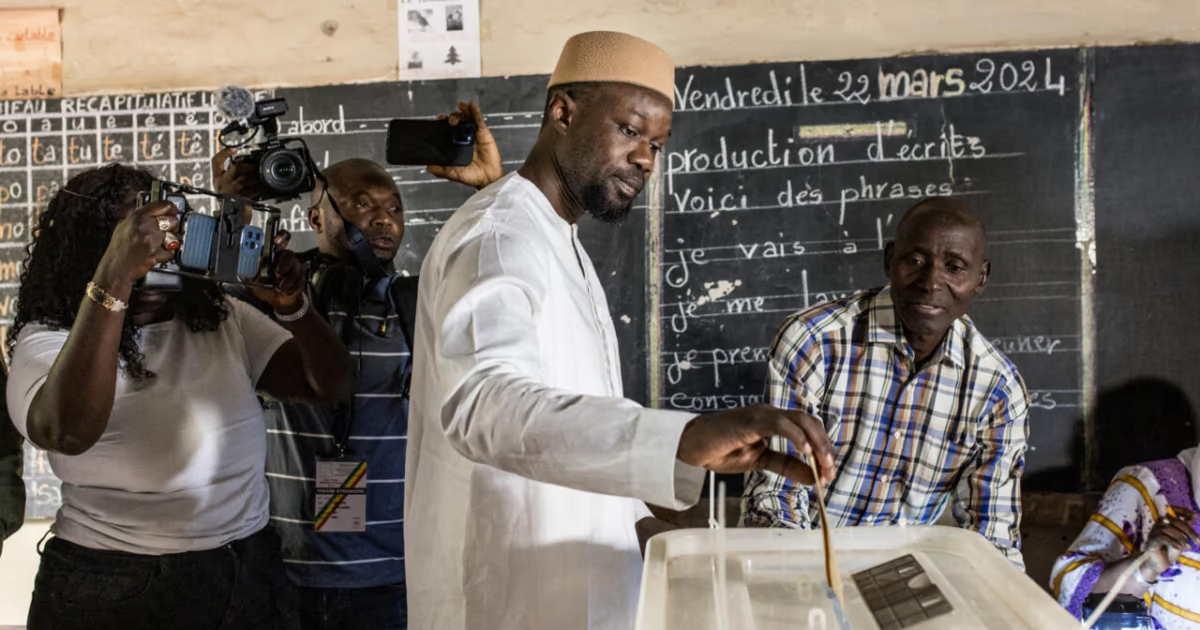
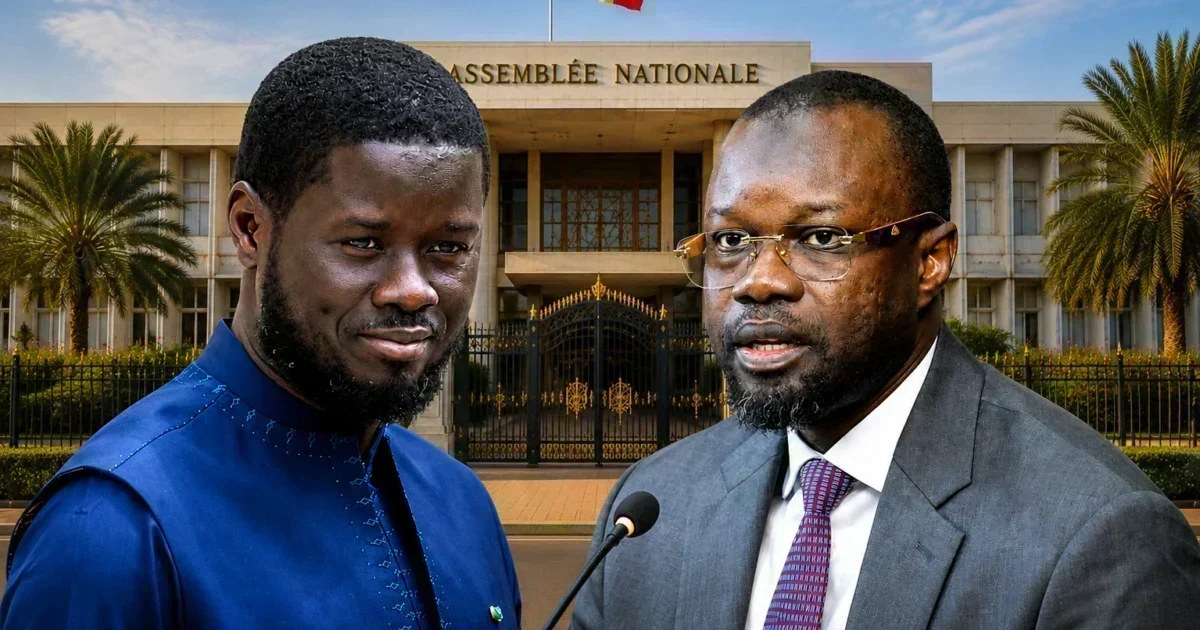
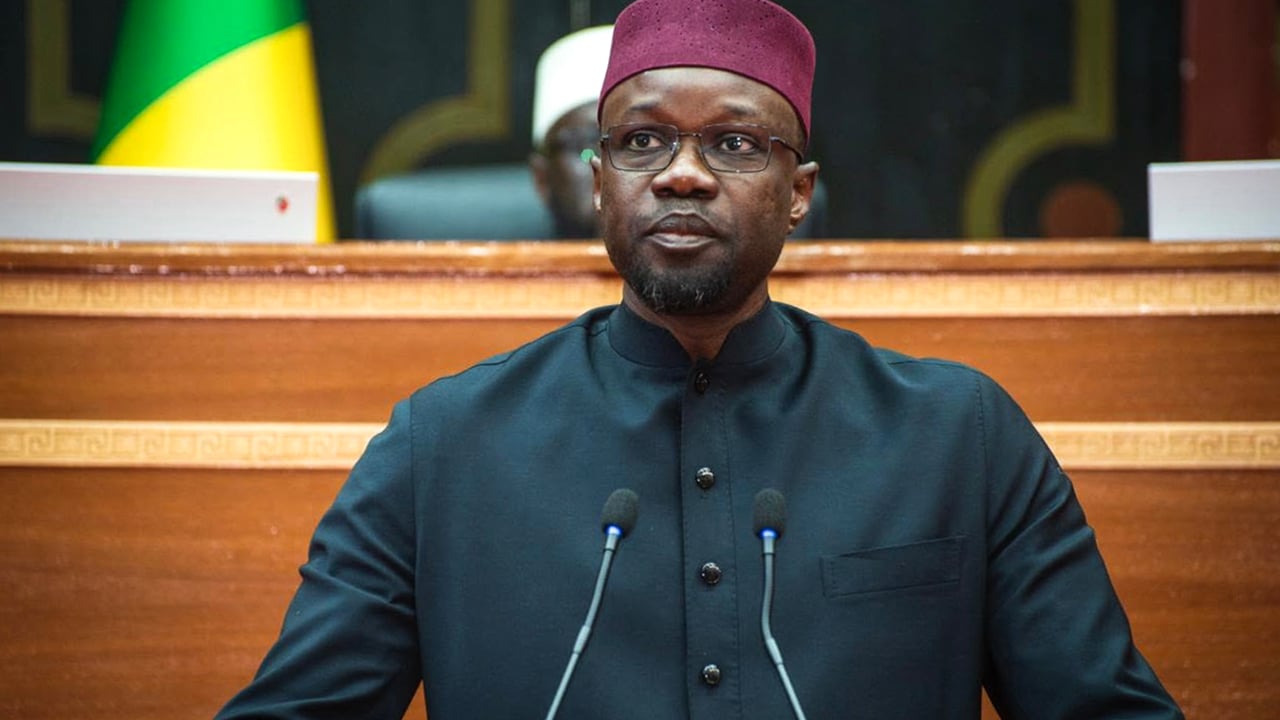
As the National Assembly convenes today, all eyes are on Ousmane Sonko’s bid to reclaim his seat as President of the Assembly. The session’s agenda includes his reinstatement as a deputy and the election of a new Assembly President—a vote that could trigger an unprecedented cohabitation scenario.
Sonko’s party, Pastef, commands a commanding majority of 130 seats out of 165, a result of the November 2024 legislative elections. Analysts suggest that if reinstated, Sonko would gain a powerful platform to influence budgetary decisions, investigative commissions, and reform timelines, potentially reshaping the political landscape ahead of the 2029 presidential election.
Yet legal uncertainties loom. Critics argue that Senegalese law typically prevents returning deputies from reclaiming seats once replaced by substitutes, raising questions about the legitimacy of Sonko’s reinstatement. The day’s proceedings promise high tension, with the outcome poised to redefine power balances in Dakar.
2029 election: the unspoken backdrop
With the 2029 presidential race looming, Sonko’s ambitions have never been clearer. His party has already pushed electoral reforms perceived as attempts to remove obstacles that blocked his 2024 candidacy. Yet observers warn that pushing for an early political shift could destabilize Senegal—a nation long hailed as a democratic anchor in a region plagued by institutional crises.
WalfQuotidien underscores the risks: when two rival factions within the same political camp refuse to coexist, the system risks permanent confrontation. Such a scenario could erode Senegal’s hard-won stability, particularly as the new government takes shape. Will Diomaye Faye prioritize loyalty to his party, or will he opt for a bold gamble—like dissolving the Assembly to secure a fresh mandate? If the latter backfires, Pastef could return stronger, positioning Sonko as the country’s ultimate political kingmaker.