Senegal political crisis: Faye and Sonko’s power struggle reshapes nation’s future
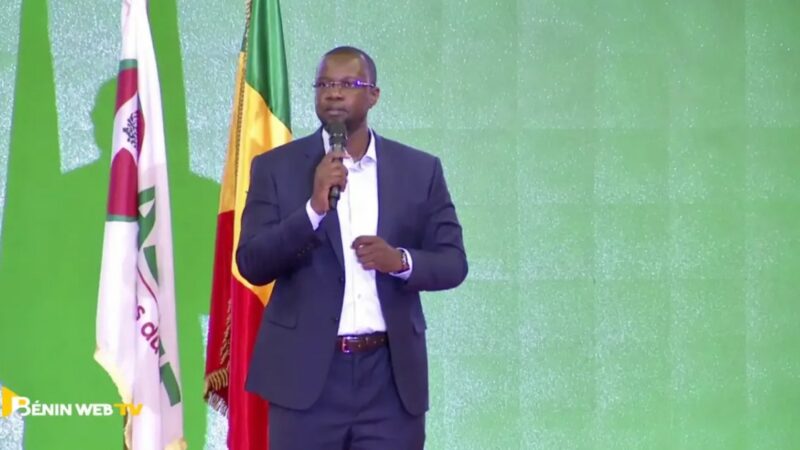
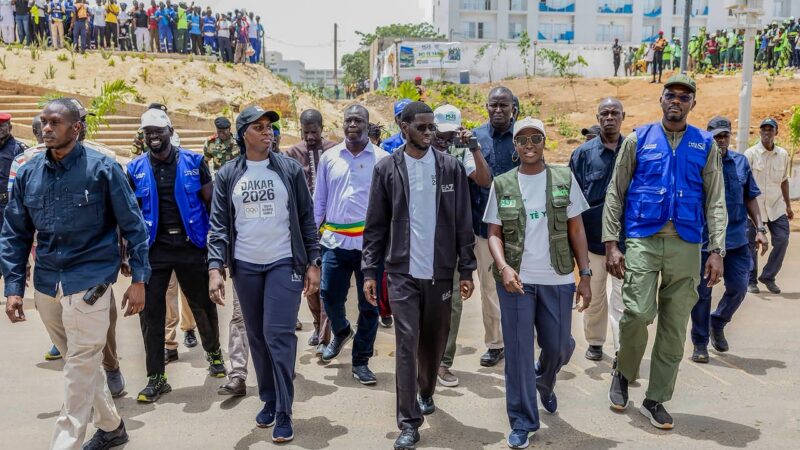
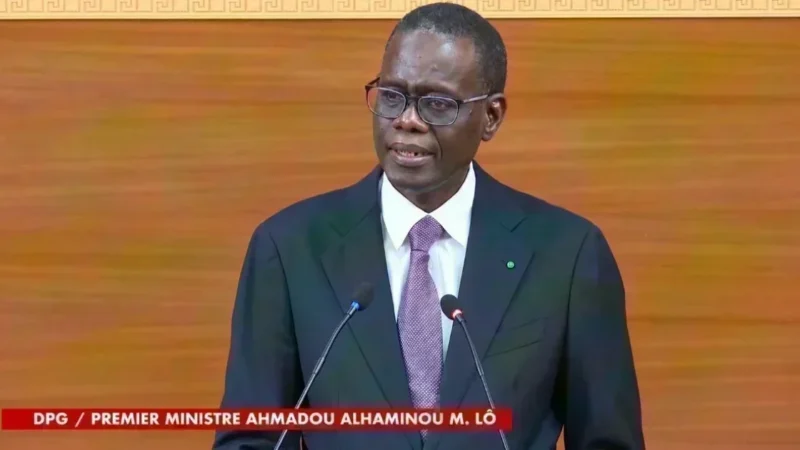
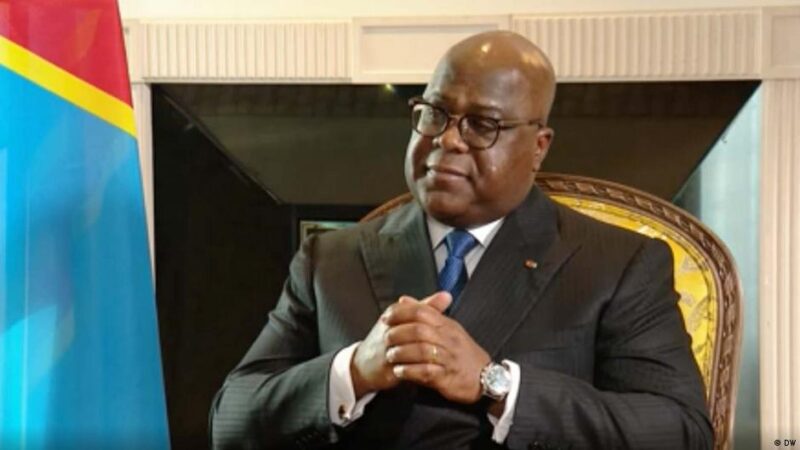
Bassirou Diomaye Faye, Senegal’s president since March 2024, and Ousmane Sonko, his former Prime Minister turned National Assembly leader, are locked in a high-stakes political confrontation that is redefining the country’s institutional landscape. The dismissal of Sonko from the Prime Minister’s post, followed by his dramatic return to parliament and subsequent election as Speaker of the National Assembly, has set the stage for an unprecedented chapter in Senegalese politics.
The standoff pits a president endowed with sweeping constitutional powers against a political heavyweight whose party commands a commanding majority in parliament. This dynamic raises critical questions about how power is exercised in Senegal today and what lies ahead for its democratic institutions.
What does the Faye-Sonko crisis reveal about power dynamics in Senegal?
This is unquestionably a crisis, particularly given that it involves the head of state and his former Prime Minister, who now leads the National Assembly. The confrontation exposes long-standing tensions in Senegal’s political model, which, apart from its early post-independence years (1960-1962), has operated under a presidential system where the ruling party also dominated parliament.
Today, the situation has evolved into a de facto cohabitation—an arrangement not previously seen in Senegal’s modern political history. While it may still be premature to draw definitive conclusions, this crisis serves as a stress test for the nation’s political resilience. How Senegal navigates this moment will reveal much about its capacity to withstand institutional friction and maintain stability.
Every political transition offers an opportunity to assess the robustness of a nation’s democratic framework. Can Senegal adapt to a divided executive and legislative authority? Will it revert to a model of concentrated power, as seen since 1963, or forge a new path? One thing is certain: restraint in governance remains a cornerstone of political stability.
Is this crisis a continuation of past tensions or a break from tradition?
This marks a clear departure from historical precedent. Since 1960, only one comparable crisis—between President Léopold Sédar Senghor and Prime Minister Mamadou Dia in 1962—posed a serious threat to institutional stability. The current rift stems from two distinct but formidable sources of legitimacy: the president’s constitutional authority and the Prime Minister’s unshakable political base.
The president, though wielding significant constitutional powers, must rely on parliament to enact key policies. Meanwhile, the Prime Minister commands the machinery of his party, Pastef-Les Patriotes, and presides over a parliamentary supermajority (130 out of 165 seats). The legislative elections of November 17, 2024, solidified this balance of power, setting the stage for a contentious cohabitation. The upcoming local elections in January 2027 may serve as a critical regulatory mechanism in an already volatile political climate.
What resources does each leader bring to this power struggle?
Political parties thrive on a symbiotic relationship between leaders and their supporters. Leaders provide direction and incentives, while supporters sustain the party’s infrastructure and outreach. In this crisis, both Faye and Sonko are leveraging these dynamics to consolidate their influence.
Sonko’s strength lies in his party’s unwavering backing—evidenced by his unanimous election as Pastef-Les Patriotes’ president in June 2026—and his control over a parliamentary majority with sweeping constitutional powers, including oversight of government actions, policy evaluations, and the ability to trigger motions of no confidence.
Faye, on the other hand, commands the symbolic and institutional weight of the presidency. While his constitutional prerogatives are substantial, their full exercise depends on parliamentary cooperation. His authority also derives from the state apparatus itself, adding a layer of institutional legitimacy to his position.
Which factors will shape the evolving power balance between the two camps?
The trajectory of this confrontation will hinge on several key variables. Elections remain the ultimate corrective mechanism in democratic systems, provided they are conducted with transparency and adhere to agreed timelines. Consensus on electoral processes, fairness in governance, and accountability will be decisive.
The public’s perception of each leader’s governance will also play a pivotal role. Will Sonko’s tenure be judged on its promises of public service reform and accountability for past political violence? Will Faye’s presidency be evaluated on its ability to deliver on the expectations of change and justice for victims of the 2021-2024 protests?
Senegal’s political parties and electoral systems are designed to regulate and stabilize governance. However, when elections lack transparency or power is exercised without restraint, the risk of mass unrest rises. The choices made in the coming months will determine whether Senegal’s democracy emerges stronger—or frays under the strain of unchecked rivalry.