For the first time in three decades, Muslim families in Bamako are spending Tabaski without their usual gatherings. A relentless jihadist blockade has severed key roads leading to Mali’s capital, trapping residents like Alpha Amadou, a 40-year-old native of Mopti, who had to abandon his annual journey home.
« This year, I’m celebrating Eid in Bamako—something I never imagined after three decades, » he shared, reflecting the widespread disruption caused by the road closures.
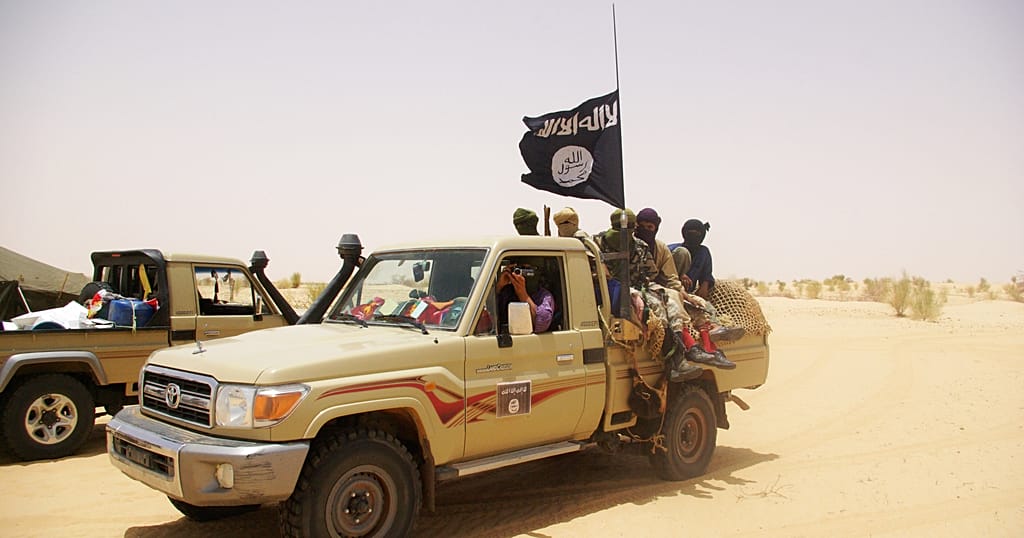
The blockade, enforced by fighters from Al-Qaïda’s Sahel branch since late April, has left a trail of destruction. Dozens of buses and cargo trucks have been torched along major routes, deterring transport services from operating and forcing travelers to cancel plans.
Tabaski’s social fabric torn apart
In Mali, Tabaski—Eid al-Adha—isn’t just a religious observance; it’s a deeply rooted social tradition. Families, often separated for months due to work commitments, reunite during this time. Yet, this year, the festive atmosphere in Bamako’s bus stations has been replaced by eerie silence.
Transport operators are reeling from a double crisis: soaring fuel shortages and the loss of vehicles to attacks. « We’re not only struggling with diesel shortages, but we’ve lost buses to recent incidents. It’s a severe economic blow, » admitted a local travel agency owner, requesting anonymity.
A transport company executive revealed the stark reality: « Typically, we’d ferry over 50,000 people from Bamako to other regions ahead of Eid. This year, we’ve canceled all trips. »
For Wara Bagayoko, the tradition meant a family road trip to Ségou. But now, even private vehicles are targeted. « This is the first time in 30 years I won’t celebrate in my village. The roads are too dangerous, » he lamented.
Oumar Diarra echoed the sentiment: « We used to ride together on motorcycles to Sikasso. This year, we’re staying in Bamako. » Some minibuses still navigate secondary routes or travel under military escort, but options remain scarce.
Sheep shortage cripples tradition
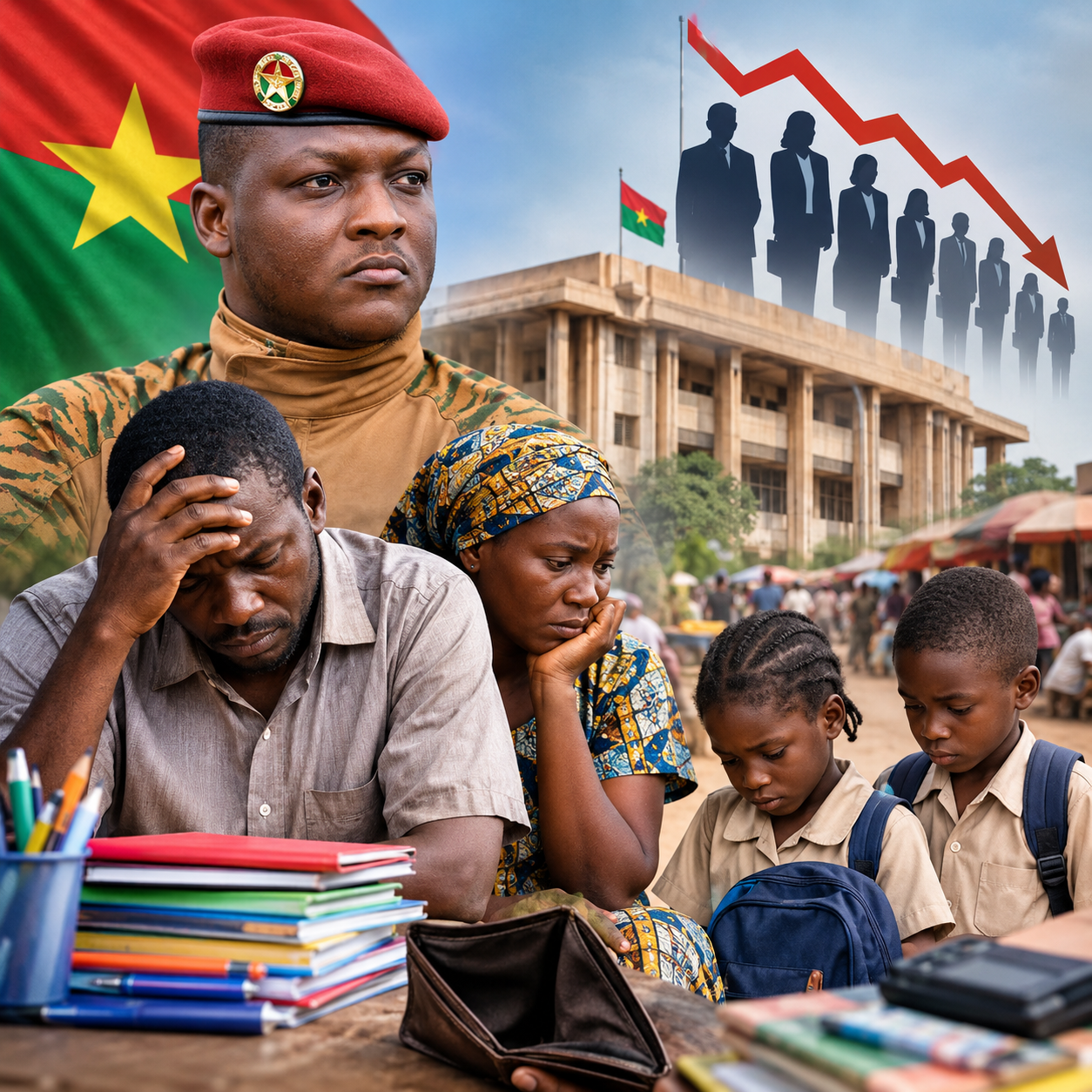
The transport crisis has crippled the livestock trade, critical for Eid’s sacrificial rituals. Herders and traders are struggling to deliver animals to Bamako, the country’s primary market. The cost of transporting a single animal has skyrocketed from 2,500–2,750 CFA francs (about $4–5) to 15,000–18,000 CFA francs ($26–31), according to transporter Alassane Maiga.
This surge has made sheep scarce and unaffordable in a country where the minimum wage hovers around 40,000 CFA francs. « Many trucks carrying sheep were set ablaze by jihadists… I’d usually have over 1,000 animals, but now I have none, » said Hama Ba, a Bamako merchant.
« Sheep that cost 75,000 francs before now sell for 300,000. Before, choices were abundant; now, they’re nearly extinct here, » lamented Iyi, scouring the market for an affordable option.
Daily life crumbles under security strain
The jihadist blockade is seeping into everyday life, degrading essential services. Bamako is grappling with prolonged power cuts and acute shortages of clean drinking water, compounding the hardships of Eid preparations.