Sahel nations reconsider commitment to international justice amid withdrawal from ICC
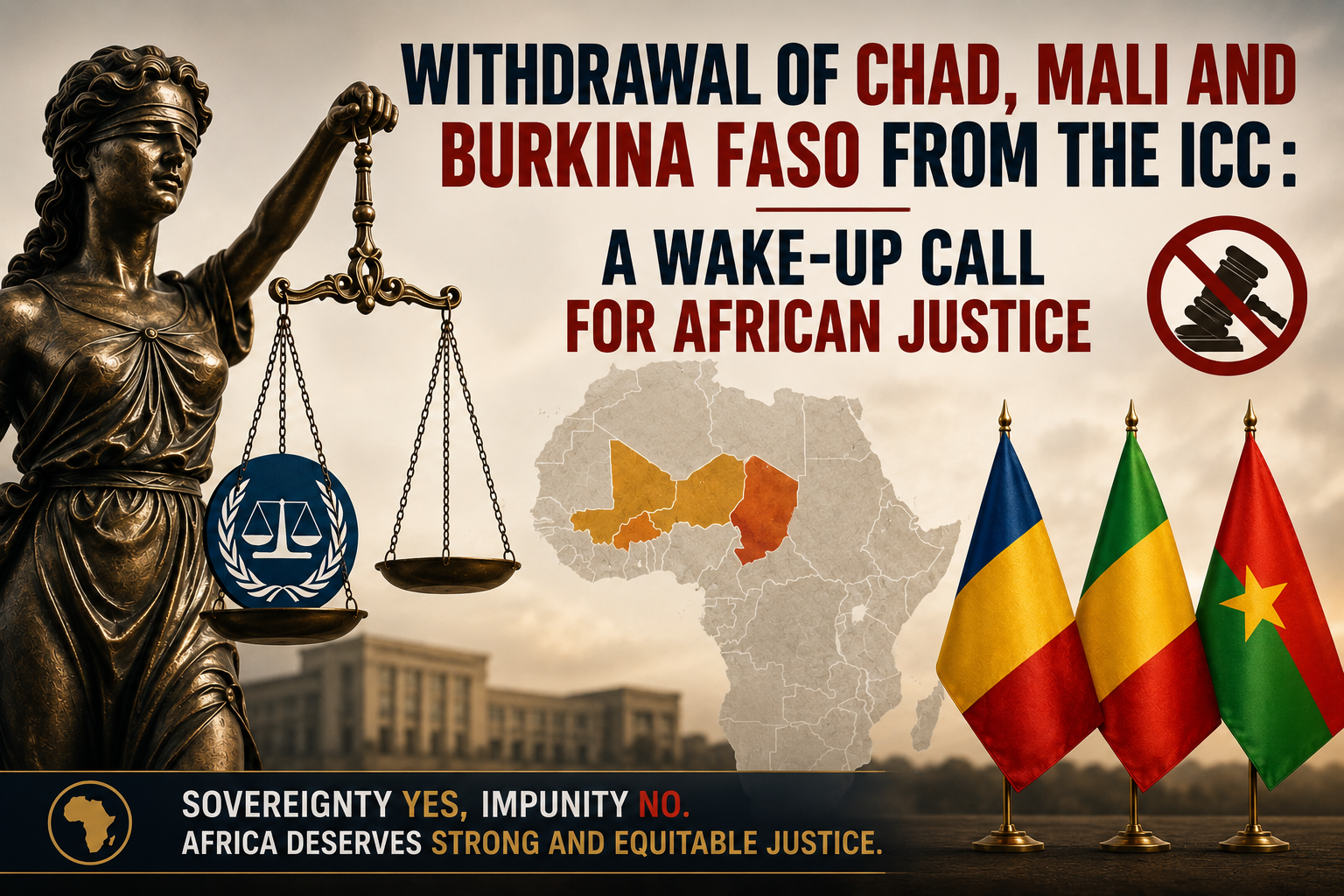
The decision by Chad, Mali, Burkina Faso, and Niger to withdraw from the Rome Statute of the International Criminal Court (ICC) represents a pivotal moment in the evolving political and institutional landscape of the Sahel. While Mali and Burkina Faso initiated this move in 2025, followed by Niger, Chad formally announced its departure on July 27, 2026, citing the ICC’s perceived inefficacy and what officials describe as an inconsistent application of international justice.
Beyond mere legal disputes: a crisis of trust
The coordinated withdrawals extend far beyond a legal dispute with The Hague. They reflect a growing erosion of confidence among Sahelian governments in international judicial institutions. This raises a critical question: what safeguards are in place when nations withdraw from the ICC without first establishing robust national and regional judicial mechanisms to address grave crimes?
The governments advancing these withdrawals argue that their decision upholds national sovereignty. They highlight concerns over the ICC’s track record, operational challenges, and what they perceive as a selective approach in addressing international crises. These criticisms are not without merit. Since its inception, the ICC has faced recurring scrutiny over its disproportionate focus on African cases, particularly as major global powers remain outside the Rome Statute. The debates surrounding the Court’s independence, efficiency, and global equity are not only valid but necessary.
However, acknowledging institutional weaknesses does not automatically justify abandoning the mechanisms designed to address them. The central challenge lies in reforming international justice to ensure it is more credible, inclusive, and equitable. Abandoning the ICC does not erase the crimes within its jurisdiction crimes against humanity, war crimes, and other severe violations of international law persist regardless of a state’s legal status.
Judicial void: a looming crisis
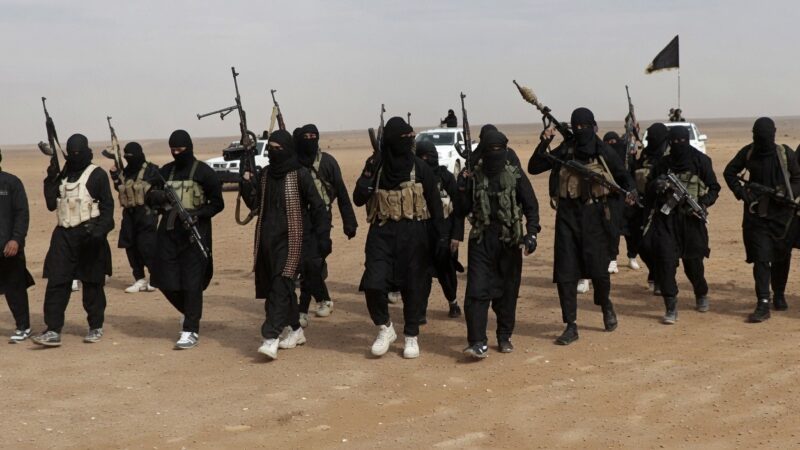
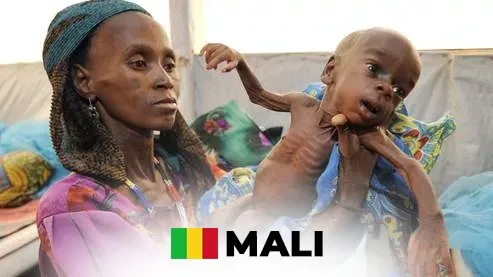
One of the most pressing concerns is the potential for a judicial vacuum. Armed conflicts in the Sahel have generated grave allegations of abuses, implicating both armed groups and state forces. Human rights organizations have documented years of violence against civilians, with victims facing significant barriers to justice and reparations. Reports indicate that the withdrawals of Burkina Faso, Mali, and Niger could deprive victims of additional avenues to seek truth, accountability, and redress.
A strong national judicial system can, in theory, address grave crimes effectively. Ideally, it can offer victims a form of justice that is more accessible, swift, and attuned to local realities. Yet, this requires that the judiciary operates independently from political influence, possesses adequate resources, and is empowered to investigate all parties involved in a conflict. Without these essential conditions, sovereignty risks becoming a shield for impunity rather than a tool for justice.
The withdrawal’s legal nuances
It is important to clarify a common misconception: withdrawing from the Rome Statute does not immediately absolve a state of its obligations. The process involves a formal notification period Chad’s withdrawal, for instance, was submitted on July 27, 2026, with the effective departure taking effect one year later. During this interim period, the country remains bound by its obligations as a state party. Additionally, the ICC retains jurisdiction over crimes committed prior to the withdrawal’s entry into force.
This nuance underscores that leaving the ICC is not an instant solution to international accountability. It also raises a pressing question for the future: once fully withdrawn, what mechanisms will ensure that alleged perpetrators of international crimes do not exploit weakened oversight to evade justice?
Building a credible African justice system
The governments advocating for withdrawal often propose a vision of a more independent African justice system, better aligned with the continent’s realities. On the surface, this goal is commendable. Africa should not be forced into a binary choice between a distant international justice system and national judiciaries weakened by political instability. The continent has the potential to develop its own mechanisms, leveraging regional institutions and national courts.
Yet, this vision must move beyond political rhetoric. A genuine African justice system must be capable of investigating crimes committed by all parties, including state actors. It should guarantee judicial independence, witness protection, victim access to legal recourse, and the capacity to prosecute high-ranking officials without political interference. The trial of Hissène Habré serves as a testament to what an African-led judicial mechanism can achieve. The challenge now is to institutionalize this capability across the continent.
The specter of politically driven justice
The issue grows more complex when withdrawals from international judicial institutions coincide with centralized power structures and shrinking democratic spaces. Credible justice cannot be contingent on the whims of the current administration.
If a state chooses to leave the ICC on the grounds of perceived injustice, it must also demonstrate a commitment to building a judiciary that is even more impartial and robust. Otherwise, sovereignty risks becoming a one-sided argument used to reject external oversight while failing to deliver justice for victims.
Who answers to the victims?
In conflict-affected regions, the debates surrounding The Hague may feel abstract. For a family mourning a lost loved one, a displaced community, or a survivor of grave human rights violations, the question is urgent and tangible: who will investigate these crimes, who will hold perpetrators accountable, and who will deliver justice?
The ICC, despite its flaws its slow processes, high costs, and political constraints remains a vital safety net when national institutions are unwilling or unable to act. The gradual disappearance of this safeguard could have profound consequences for victims.
This does not imply that the ICC should be shielded from criticism. African perspectives on its shortcomings should be heeded and used to demand meaningful reforms. However, the response to perceived injustices should not be the outright abandonment of accountability mechanisms.
A broader threat to international justice
The sequential withdrawals of Mali, Burkina Faso, Niger, and Chad occur at a time when the ICC itself faces institutional strain. International pressure and leadership challenges have compounded the Court’s difficulties. Each withdrawal further diminishes the ICC’s political and geographical influence, risking a domino effect where states only endorse international institutions when they serve their interests.
Such a trend would undermine the very foundation of a rules-based international justice system. For justice to be credible, it must apply universally. This universality requires states to submit to independent mechanisms, even when such scrutiny proves politically inconvenient.
The way forward: constructing a viable alternative
The withdrawals from the ICC should not be viewed as an endpoint. If Sahelian governments genuinely seek to establish a more sovereign form of justice, they must take concrete steps: strengthening national courts, ensuring judicial independence, protecting witnesses, documenting crimes, providing reparations for victims, and creating regional mechanisms capable of prosecuting the most serious offenses.
Only then can the discourse on judicial sovereignty move from rhetoric to reality. Otherwise, the transition from an imperfect international system to a more precarious one could leave victims with fewer recourse options and perpetrators with greater impunity.
The debate over the ICC should not pit “African sovereignty” against “international justice” in a false dichotomy. The true challenge lies elsewhere: ensuring that no political authority, military leader, armed group, or influential figure in Africa remains above the law. The Sahel’s governments must confront this question head-on. While leaving the ICC may be framed as an act of sovereignty, constructing a justice system that holds the powerful accountable would be a far more compelling demonstration of that sovereignty.