Sahel military regimes face legitimacy and security crisis
repression to mask failure
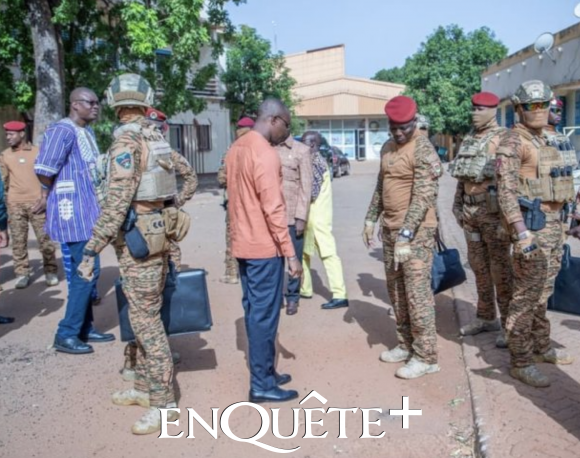
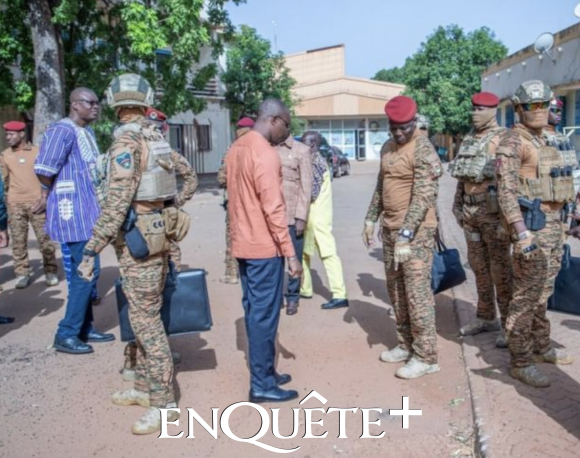
Across Burkina Faso, Mali, and Niger, the military regimes of the Alliance of Sahel States (AES) are tightening their grip, marked by widespread repression, arbitrary detentions, and severe restrictions on fundamental freedoms. This escalating authoritarianism presents a dire situation for human rights advocates and media professionals grappling with profound crises of legitimacy.
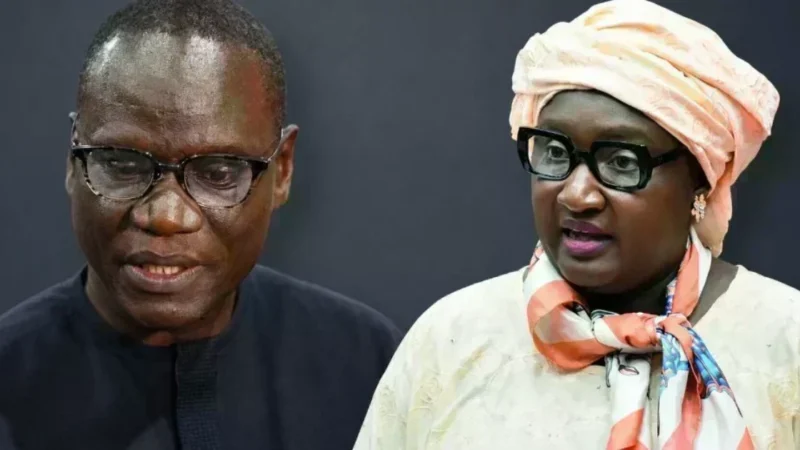
The adage, ‘He who lives by the sword shall perish by the sword,’ resonates deeply with Alioune Tine, president of Afrikajom Center, as he reflects on the current turmoil. Tine highlights the severe challenges confronting Captain Ibrahim Traoré’s government in Burkina Faso, mirroring the deep impasses faced by military leaders in Mali and Niger. The primary justification for their coups – improving security – has demonstrably failed, with the security landscape often more perilous now than before they seized power. This creates a perpetual fear for those who gain power through force: the constant dread of losing it the same way.
Looking back, Tine recalls Captain Traoré’s initial pledge to swiftly hand over power to civilians, promising elections sooner than the ECOWAS-mandated timeline. Yet, these assurances have gone unfulfilled. Instead, the regime increasingly relies on repressive tactics to maintain control, leading to a grim deterioration of human rights. Tine points to what he describes as virtual massacres targeting specific communities, particularly the Peuls, deeming it an extremely alarming situation.
military regimes trapped in a deepening crisis
Contrary to official narratives, the security situation within Burkina Faso continues to worsen, with attacks growing more frequent and the death toll tragically climbing. One recent incident, the Mansila attack on June 11, reportedly claimed around a hundred lives, according to multiple sources. The BBC noted that rumors circulating on social media suggest this event significantly damaged troop morale. Communication with Mansila remains cut off, making access and independent verification nearly impossible without a military escort.
Against the backdrop of the junta leader’s silence, an incident occurred on June 12 when a shell landed within the compound of the national public broadcaster, RTB, in Ouagadougou, causing several injuries. This event plunged the capital into confusion, sparking rumors of military mutiny or even an attempted coup. Captain Traoré eventually broke his silence, appearing on RTB to calm the populace. He dismissed the incident as isolated, urging Burkinabé citizens to disregard what he termed “enemy media” spreading “fake news.” He vehemently denied any mutiny, dissent, or coup attempts, calling such claims “imaginary.” To those suggesting his position was vacant, he retorted, “If the post is vacant, they should come and take it. They have understood nothing. These people have been paid to lie.”
human rights groups demand action amid rising suspicions
The escalating situation in the country has prompted strong reactions from international and regional human rights organizations. Both Amnesty International and the Senegalese Coalition of Human Rights Defenders are planning a peaceful demonstration to protest the “repression of press freedom and freedom of opinion and expression.” They are demanding the immediate release of detained human rights defenders, including lawyer Guy Hervé Ham, who has been held since January 24, and others forcibly enlisted into the Volunteers for the Defense of the Homeland.
The unfolding events in Burkina Faso are emblematic of the broader instability plaguing military-governed nations in the Sahel. These regimes, initially hailed as saviors upon their ascension, have largely failed to deliver on their promises or improve conditions beyond what was seen under the civilian governments they overthrew.
In Mali, despite some reported gains in controlling the northern regions, fundamental problems persist, and the socio-economic situation continues its decline. Alioune Tine asserts, “There is a failure. As with Burkina Faso, all these countries find themselves in a kind of impasse. The people suffer not only from a lack of legitimacy but also from the regimes’ inability to alleviate their hardships.” He points out that in Mali, exiled opposition figures have even formed a government, underscoring the profound crisis of legitimacy.
ECOWAS divided: a regional catastrophe
Faced with mounting challenges to their authority, these military regimes increasingly employ tactics of terror. Through arbitrary detentions, abductions of human rights defenders (including elderly individuals reportedly sent to the front lines), and the shutdown of both national and international media outlets, the juntas escalate abuses to cling to power. Alioune Tine warns that these are evolving into “total dictatorships.” These regimes have opportunistically sought protection from nations less concerned with human rights, such as Russia. Tine expresses deep regret over the fragmentation of ECOWAS, which he believes has been undermined by playing into the hands of major global powers. “ECOWAS is completely divided between those considered pro-Western or pro-French and those who are pro-Russian. This severely harms inter-African cooperation and represents a catastrophe for the sub-region,” he laments. He suggests that ECOWAS must also engage in self-reflection to better address the pressing concerns of its people, especially the youth.
Among these critical concerns are the issues surrounding the CFA franc and the presence of foreign military bases. Tine notes, “My only regret regarding military bases is the lack of viable alternatives following the departure of French bases.”