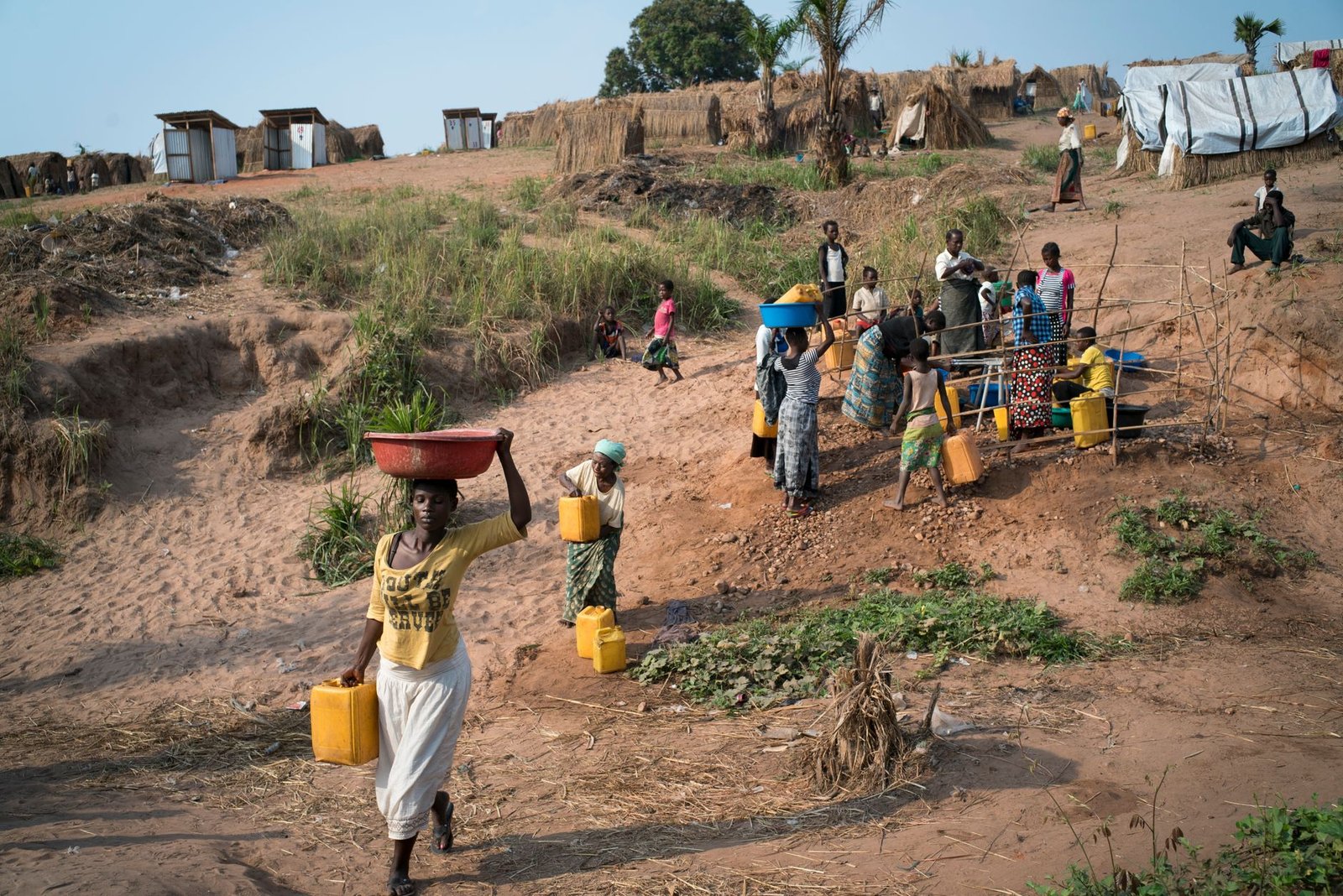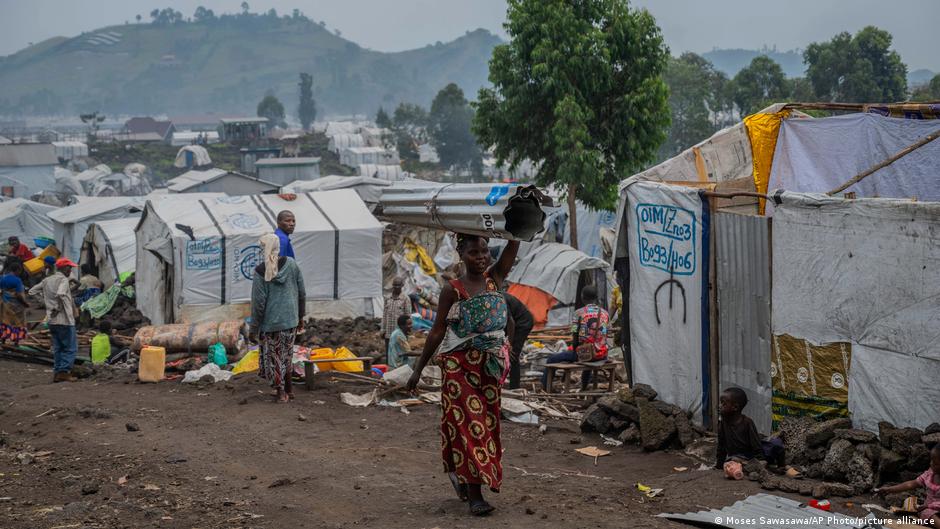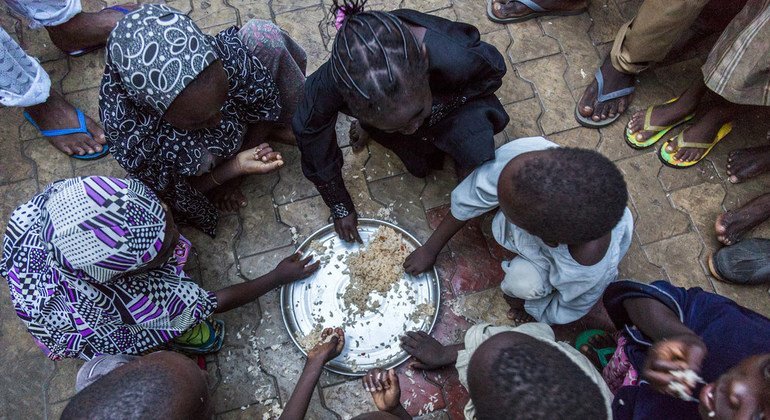
The Sahel region faces an escalating humanitarian crisis as violence and budget cuts push millions into severe food insecurity. The World Food Programme (WFP) warns that 55 million people—including over 13 million children—are at risk of catastrophic famine this summer.
urgent funding gap threatens lives across west africa
The WFP urgently requires $453 million over the next six months to prevent a disaster. Without immediate action, 3 million people could face emergency-level food insecurity this year—a doubling of the 1.5 million affected in 2020.
Four countries bear the brunt of this crisis: Nigeria, Chad, Cameroon, and Niger, accounting for 77% of the region’s food insecurity cases. In Nigeria’s Borno State, 15,000 people face the first catastrophic famine (IPC-5) in nearly a decade.
Sarah Longford, WFP’s Deputy Regional Director for West and Central Africa, warns:
« The funding cuts we saw in 2025 have deepened hunger and malnutrition across the region. With needs outpacing resources, the risk of youth despair grows, pushing communities beyond their coping limits. »
country-by-country breakdown: how funding cuts are worsening hunger
Mali: 64% spike in acute hunger due to ration reductions
In Mali, reduced food rations have triggered a 64% increase in acute hunger in some areas. Meanwhile, regions with full rations saw a 34% decrease. Ongoing insecurity disrupts supply chains, leaving 1.5 million Malians vulnerable to food crises.
Nigeria: malnutrition crisis reaches critical levels
The WFP slashed nutrition programs in 2025 due to funding gaps, affecting 300,000 children. Malnutrition has worsened from « severe » to « critical » in northern states. Only 72,000 people could be assisted in February 2026—down from 1.3 million the previous year.
Cameroon: half a million at risk of losing vital aid
Without emergency funding in the coming weeks, over 500,000 vulnerable Cameroonians may lose access to critical humanitarian support.
13 million children face starvation as famine looms
Jean Martin Bauer, WFP’s Food Security and Nutrition Analysis Director, highlights the plight of 13 million children at risk of starvation this year. He stresses that nutrition programs must be prioritized:
« When we talk about IPC 5, it means 15,000 people in Nigeria’s Borno State are at immediate risk of mortality. This isn’t just hunger—it’s a death sentence for the most vulnerable. »
breaking the cycle: long-term solutions to prevent future crises
The WFP calls for a paradigm shift in 2026, urging governments and partners to invest in preparedness, early action, and resilience-building to empower communities. Key initiatives include:
- Rehabilitating degraded land: Over 300,000 hectares of barren land have been restored since 2018, benefiting 4 million people by improving climate resilience.
- School feeding programs: Providing meals to children to combat malnutrition and keep them in school.
- Community infrastructure: Strengthening local systems to withstand shocks.
Despite proven solutions, funding gaps persist. Bauer warns:
« The answers exist. The problem? They’re not funded. Without urgent investment, the cycle of hunger will continue, fueling instability and displacement across the Sahel. »
why this crisis demands immediate action
Hunger doesn’t just threaten lives—it fuels displacement, conflict, and despair. The WFP’s plea is clear: invest in resilience now to prevent a generational catastrophe. Failure to act risks pushing millions into famine, with irreversible consequences for West Africa’s future.