Sahel crisis: 29 million people in urgent need of humanitarian aid
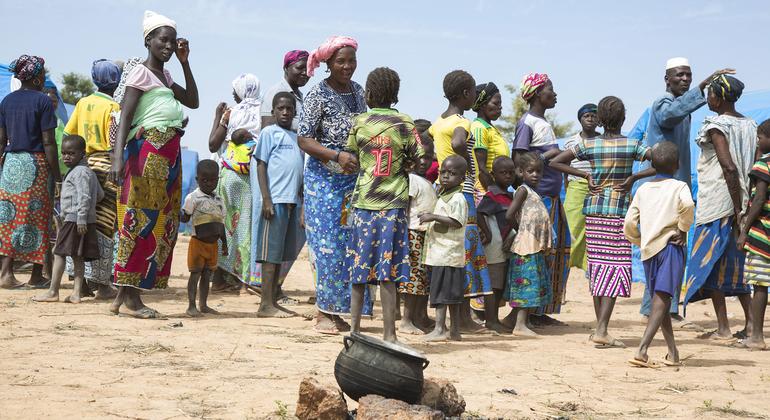
The Sahel region is facing a severe humanitarian crisis, with nearly 29 million people across six countries now in desperate need of assistance and protection. The United Nations Office for the Coordination of Humanitarian Affairs (OCHA) has issued a stark warning: without immediate funding, lives will be at risk.
escalating challenges in the Sahel
According to OCHA’s regional chief for West and Central Africa, Charles Bernimolin, the Sahel’s humanitarian needs are reaching alarming levels. The 2025 Humanitarian Needs Overview for the Sahel estimates that $4.3 billion is required to address the urgent needs of 18.4 million people in Burkina Faso, Cameroon, Mali, Niger, Nigeria, and Chad.
This crisis stems from a complex web of interconnected challenges, including political instability, rising violence, persistent conflicts, and the worsening impacts of climate change. In 2024 alone, over 16,800 fatalities were recorded in violent security incidents across the Sahel.
regional spillover effects
The humanitarian emergency in the Sahel knows no borders. The region now hosts 2.1 million refugees and asylum seekers, alongside 5.9 million internally displaced persons—figures that have surged by 6% and 20% respectively since early 2024. Beyond the Sahel’s borders, an estimated 159,000 refugees and asylum seekers have sought refuge in northern Bénin, Côte d’Ivoire, Ghana, and Togo, while Mauritania’s southeastern region shelters over 169,000 registered refugees.
This widespread instability has also disrupted essential services. Over 9,900 schools and 922 health centers have closed, depriving communities of critical access to education and healthcare.
critical food insecurity and malnutrition risks
Between June and August 2025, an estimated 12.8 million people in the Sahel will face acute food insecurity, while 2.6 million children are at risk of severe acute malnutrition, according to UN agencies.
urgent call for adequate funding
Despite the growing needs, humanitarian funding remains critically low. OCHA warns that without swift action from the international community, the situation will deteriorate further, leading to preventable loss of life and broader crises. Only 8% of the $4.3 billion appeal had been funded as of May 26, 2025.
“The Sahel requires a fully funded humanitarian response,” Bernimolin emphasized. “Without sufficient resources, it is the most vulnerable who will suffer the consequences. In times of financial strain, we must remember this isn’t about balancing budgets—it’s about saving lives.”
In 2024, humanitarian partners provided life-saving aid and protection to 12.4 million people, yet millions more remained without assistance due to funding gaps.