Ousmane Sonko’s evolving political rhetoric: a shift toward moderation
Since departing from the Prime Minister’s office, Ousmane Sonko has undergone a noticeable transformation in his public discourse. Once known for his fiery rhetoric and uncompromising stance, the Pastef leader now presents himself as a voice of reason, deliberately toning down his confrontational language to project a more measured and statesmanlike image.
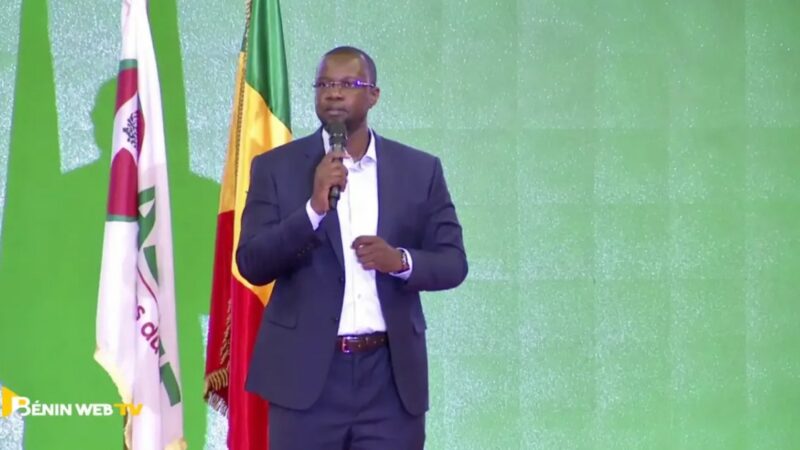
« Pastef has evolved into a mature political party, » Sonko declared recently at the party’s congress in Diamniadio. Addressing his most ardent supporters, he urged them to adopt a more disciplined approach in their public engagements. « We must refine our language, because our actions are closely watched—not just by citizens, but by religious leaders, families, and the international community. Insults and provocations only weaken our cause, » he emphasized, acknowledging the need for his party to set a higher standard of conduct.
Observers have noted his shift in tone, particularly in his recent media appearances. While his past statements were often absolute and unyielding, his current remarks reflect a more pragmatic and nuanced perspective. During a recent interview, when questioned about the possibility of debt restructuring, Sonko avoided a definitive stance. « We do not operate in rigid positions. Each situation demands careful assessment, » he responded, suggesting a willingness to evaluate rather than reject outright. This departure from his earlier categorical opposition to any restructuring has raised eyebrows among analysts, who question whether this signals a genuine evolution or a calculated move ahead of the 2029 elections.
Contradictions and strategic ambiguity
The leader of Pastef has long been known for his ability to adapt his messaging to his audience. Even in his current phase of moderation, inconsistencies persist. On the topic of debt, for instance, he has wavered between advocating for its cancellation and acknowledging the complexities of restructuring. « A reckless restructuring is not what we seek, » he clarified, adding that conditions did not justify such measures during his time as Prime Minister. Yet, he also acknowledged that « certain portions of the debt may indeed be odious », calling for political courage to address the issue—though he stopped short of detailing how this would be achieved.
His statements on homosexuality further underscore this pattern of shifting narratives. While he has long been a vocal opponent of LGBTQ+ rights, he recently attempted to contextualize his position, citing historical laws and public health concerns. « The arrests predated the recent legal amendments, » he argued, emphasizing what he described as a misrepresentation by Western media. Yet, his earlier remarks—where he appeared to endorse a crackdown on transmission of HIV—have been seized upon by critics as evidence of inconsistency.
From opposition to reconciliation
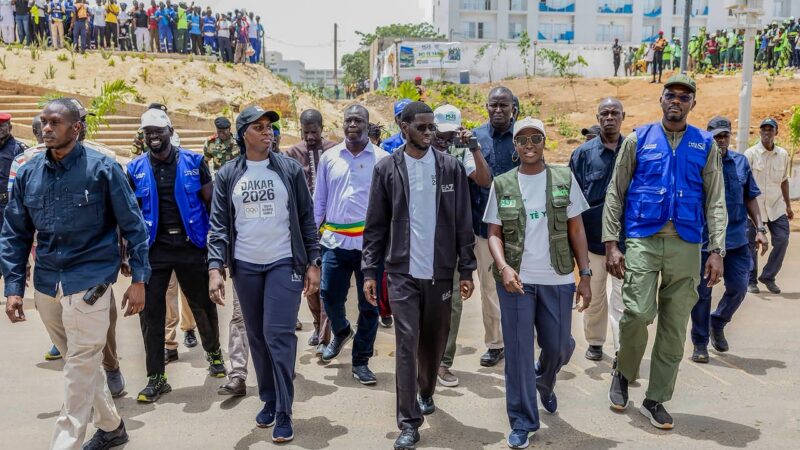
Sonko’s evolving communication strategy extends beyond policy debates. His relationship with President Bassirou Diomaye Faye has also seen a marked shift. Gone are the days of fiery accusations; instead, he now frames their differences as « political divergences » rather than personal betrayals. « There is no feud—only a difference in approach, » he insisted, distancing himself from the combative rhetoric that once defined his tenure.
At the Diamniadio congress, he urged his party to reject provocation, warning that opponents sought to provoke them into unrest to paint Pastef as a disruptive force. « Their strategy is clear: they want to recreate the chaos of 2021-2024, » he cautioned. By positioning himself—and his party—as champions of stability, Sonko appears to be recalibrating his image ahead of future political battles.
Whether this transformation is a genuine political maturation or a tactical pivot remains to be seen. What is certain, however, is that Ousmane Sonko’s evolving rhetoric reflects a deliberate effort to reposition himself in Senegal’s complex political landscape.