The Nigerien military’s strategic alignment with Russia following the July 2023 coup has yet to yield the promised security dividends. Despite the anticipated restoration of stability, jihadist groups have intensified their operations, inflicting severe losses on national defence and security forces.
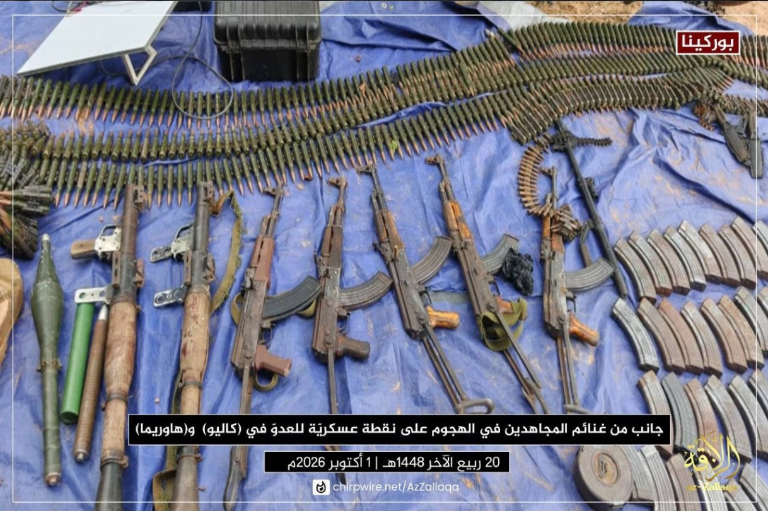
In one of the deadliest series of coordinated assaults in recent years, at least 265 Nigerien soldiers perished within a 72-hour period. The attacks targeted multiple military outposts, underscoring the relentless pressure exerted by insurgent factions across the country.
The shift in international partnerships—marked by the arrival of Russian military instructors and the gradual withdrawal of Western support—has not translated into a sustained improvement in the security landscape. On the contrary, analysts report a marked escalation in violence since the strategic realignment in 2023.
Official data reveals that 2023 alone witnessed approximately 225 conflict-related incidents, a figure comparable to 2022 but accompanied by a disturbing surge in civilian and military fatalities. Fatalities attributed to armed violence rose by 27% during this period, reflecting the growing lethality of the ongoing conflict.
Subsequent developments have further exacerbated the crisis. A 2026 assessment by ACAPS highlights that civilian casualties peaked in 2025, with over 700 deaths recorded—a stark contrast to the 2023 toll, which was already alarmingly high.
The regions most severely affected remain Tillabéri, Tahoua, and the border areas shared with Mali and Burkina Faso. These zones continue to serve as the primary battlegrounds for offensives led by Islamic State-affiliated factions and the Group for the Support of Islam and Muslims (JNIM).
Notable incidents include the October 2023 massacre in Tabatol, where more than 60 soldiers were killed, and the March 2024 ambush in Tillabéri that claimed 23 lives. Additionally, a relentless series of raids on convoys, villages, and military installations has further strained the operational capacity of Nigerien forces.
These developments have ignited a critical discussion regarding the tangible outcomes of Niger’s new security partnership. Three years after the pivotal diplomatic and military shift, the jihadist threat remains undiminished, placing immense strain on the nation’s defence infrastructure.