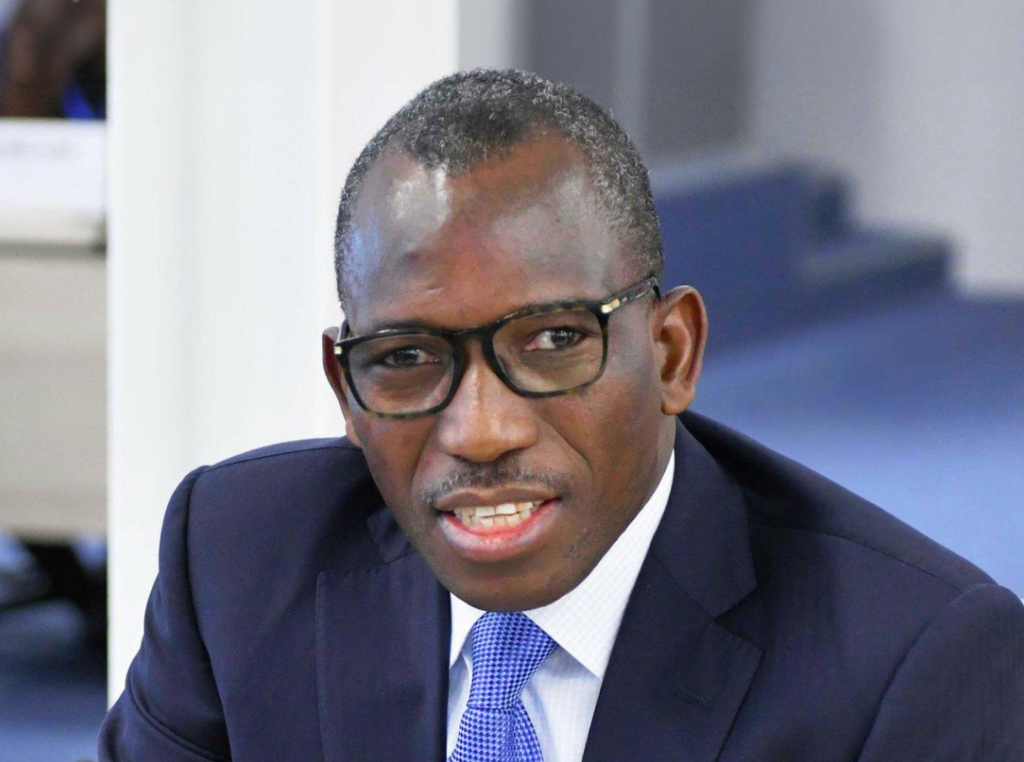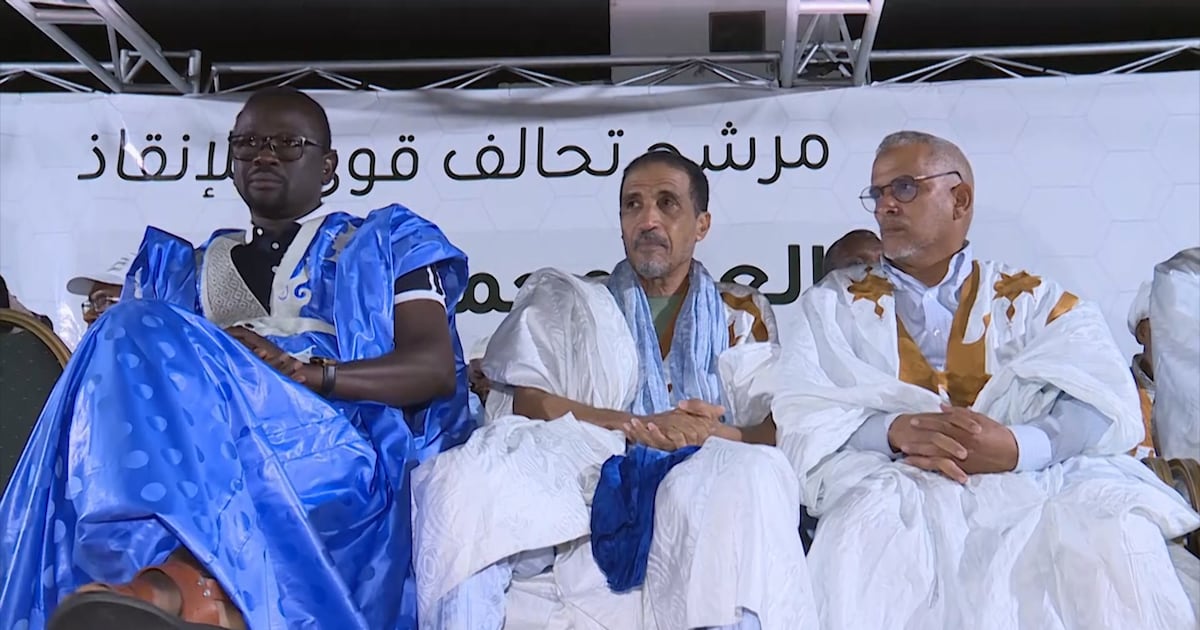
As Professor Mohamed Maouloud assumes leadership of the opposition coalition, Mauritania finds itself at a critical juncture, following the successful mobilization of tens of thousands of citizens in Nouakchott for a landmark gathering.
The nation grapples with a series of formidable challenges that demand immediate attention. A stalled national dialogue process, the resurgence of divisive identity rhetoric, escalating security concerns along the eastern borders shared with Mali, and widespread economic hardships—particularly the surge in living costs—have created a complex web of issues for the new coalition president to unravel.
In his inaugural address, Professor Maouloud expressed deep concern over the current state of affairs, highlighting the «blocking of the dialogue process and the absence of a structured framework for addressing national issues collaboratively with all stakeholders.»
Breaking the deadlock in national dialogue
The stalled dialogue process stands as the most urgent priority for the opposition leader. He has issued a firm appeal to President Mohamed Cheikh El Ghazouani, urging decisive action to overcome obstacles obstructing the path to consensus. Central to this impasse is the majority’s attempt to introduce the issue of a third presidential term—a constitutionally prohibited topic not included in the national roadmap—into the national agenda.
The opposition coalition contends that this deliberate obstruction «undermines the very foundation of national unity and collective problem-solving», as described by Maouloud.
Uniting a nation under pressure
Mauritania faces a dual crisis of identity and security. The proliferation of identity-based discourse, amplified through social media, has intensified social divisions. Meanwhile, the volatile security situation in the eastern regions—exacerbated by instability in neighboring Mali—has led to an influx of refugees and the closure of borders, severely disrupting the traditional transhumance routes of Mauritanian herders. These challenges compound the economic strain on households nationwide.
Professor Maouloud has underscored the urgency of addressing these interconnected crises to restore stability and foster national cohesion. The opposition coalition’s agenda now centers on resolving these pressing issues to pave the way for sustainable progress.