Mali’s military communication: inflated claims raise questions on ground realities
The Malian army’s strategy for conveying battlefield outcomes has become a well-rehearsed spectacle. In August 2026, the Directorate of Information and Public Relations for the Armed Forces (DIRPA) once again unveiled an extraordinary tally of operations: 1,850 « neutralized » militants, 45 destroyed bases, and countless vehicles and motorcycles reduced to ashes—all within two months. Yet beneath the numbers lies a troubling pattern: a lack of verifiable evidence, obscured methodologies, and a widening gap between official declarations and on-the-ground realities.
How to count « neutralized » fighters without proof
The precision with which these figures are announced raises immediate doubts. In a conflict where independent access to battle zones is systematically denied, how can any external observer validate the claim of nearly two thousand enemy combatants killed in just eight weeks? The term « neutralized » itself remains dangerously ambiguous. Does it refer to armed militants slain in combat, suspects detained during raids, or civilians caught in the crossfire within areas sealed off from scrutiny? Without named rosters or transparent identification protocols, the line between legitimate targets and collateral damage grows increasingly blurred.
Security claims clash with daily dangers
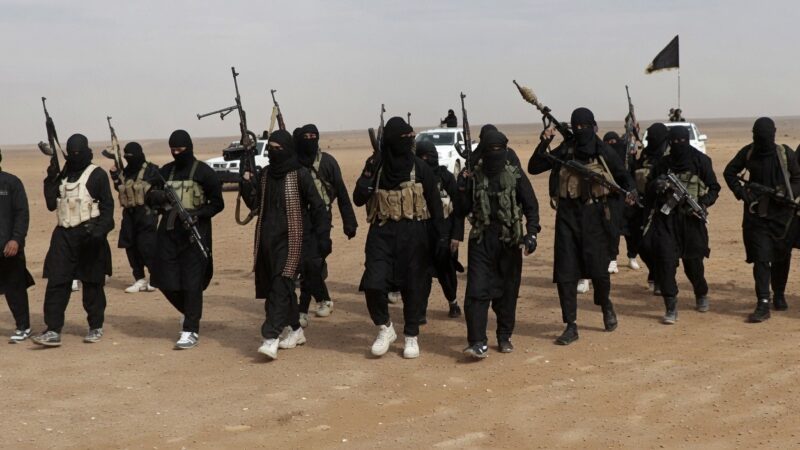
The military’s narrative of sweeping victories stands in stark contrast to the persistent threats facing Malian civilians. If insurgent forces were truly decimated and their logistical networks dismantled, why do major roads remain hotspots for ambushes? Why must convoys transporting essential goods be accompanied by heavy armored escorts if rebel sanctuaries have been « purged »? The recent assaults on strategic posts like San and Konna, alongside coordinated attacks by JNIM in the North and East, suggest an enemy far from defeated.
Rather than reflecting tactical realities, such exaggerated claims appear designed to bolster a predetermined political narrative—one that justifies the country’s shift toward partnerships like Africa Corps and the controversial Plan Dougoukoloko. When victory is declared before the smoke clears, the credibility of military reporting inevitably suffers.
Information blackout fuels skepticism
By restricting media access and penalizing critical analyses of the security situation, Bamako has narrowed the public discourse to a single storyline: imminent triumph, with no room for scrutiny. The DIRPA’s preference for sensational figures over transparent reporting only deepens the skepticism of those who endure the daily toll of insecurity. Until official communications prioritize verifiable facts over propaganda, these inflated claims will continue to ring hollow for the very communities they claim to protect.