

Mali: la population sous blocus crie famine, le gouvernement refuse de négocier avec les «terroristes»
Addressing the diplomatic community in Bamako, Mali’s Foreign Minister Abdoulaye Diop firmly rejected calls for dialogue with jihadist factions. He clarified that the government has no plans to negotiate with “lawless armed terrorist groups” held accountable for years of tragic events affecting the Malian populace.
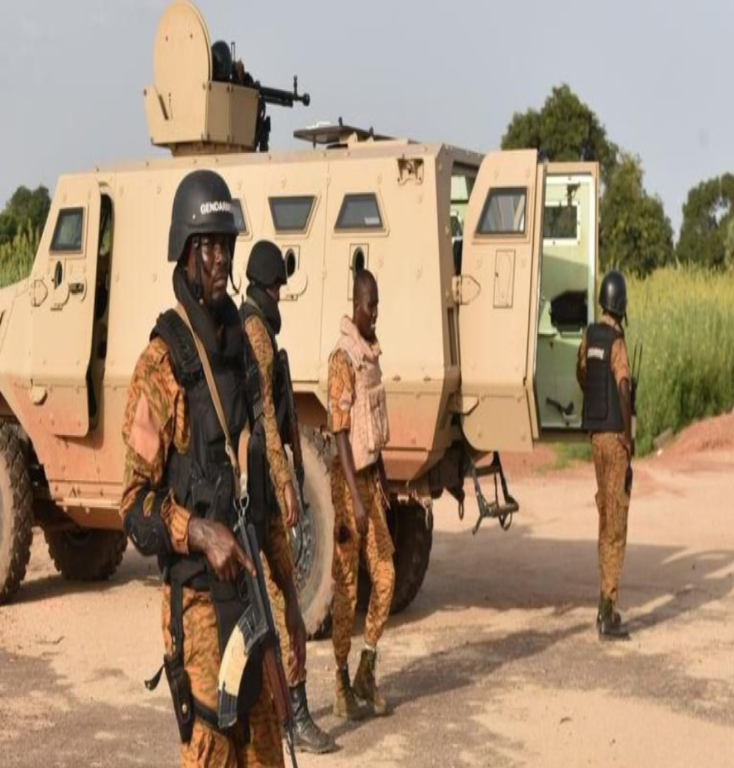
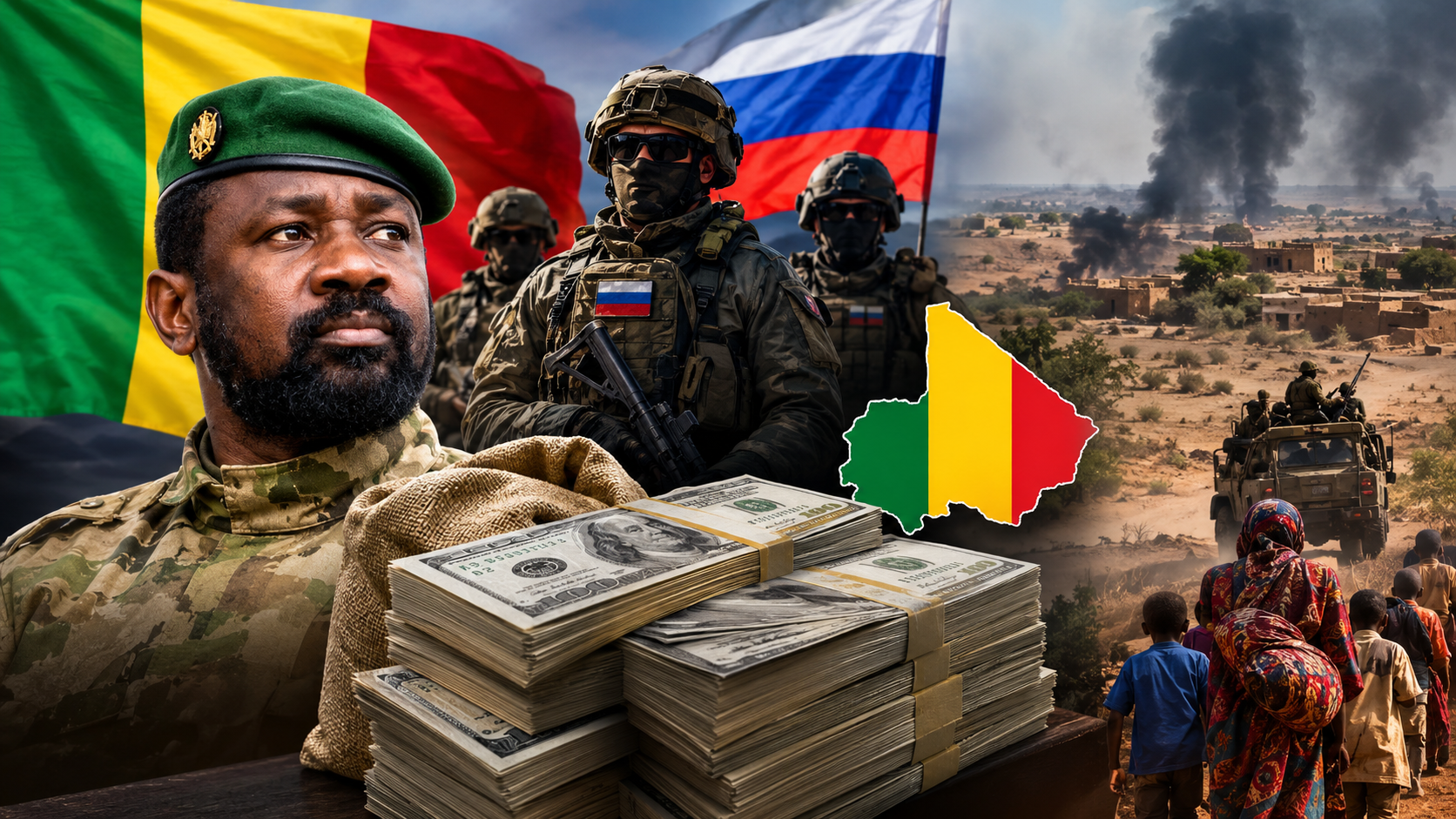
The current strategy prioritizes direct military engagement. In support of this stance, Mali has reportedly received additional Russian military equipment to strengthen its combat capabilities.
In the northern regions, a primary objective for Malian authorities is regaining control of Kidal, a city currently held by armed groups. This strategic imperative likely explains the deployment of Russian mercenaries alongside the Malian army, who have fortified their presence in Aguelok, another key town in the Kidal region, following withdrawals from two other areas.
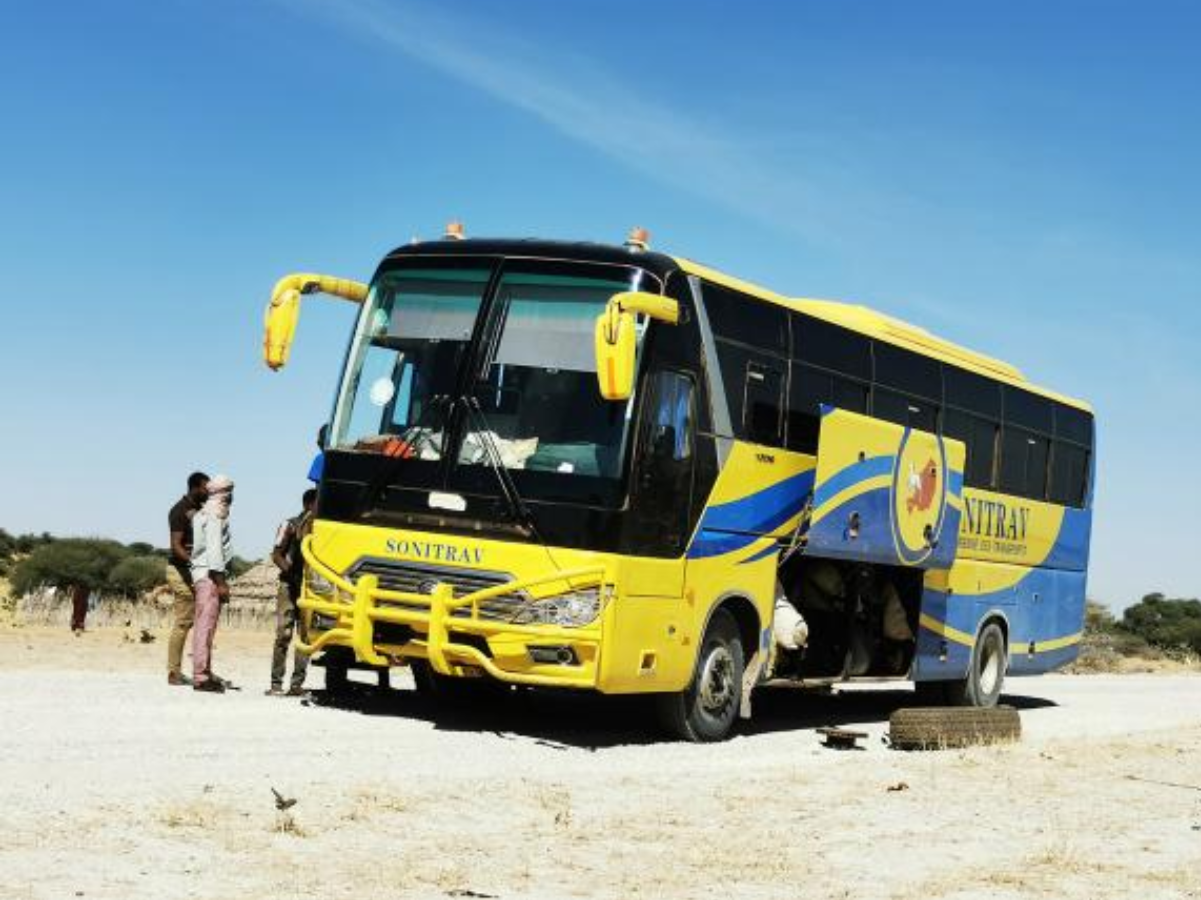
Meanwhile, in the South, efforts are concentrated on clearing critical transport routes blocked by jihadists, who have established fresh blockades. As of this Saturday, countless vehicles, passengers, and essential goods remain stranded across various parts of the nation due to these obstructions.
À lire aussiMali: combats en vue dans la région de Kidal, durcissement du blocus jihadiste sur Bamako
severe impact of blockades on malian communities
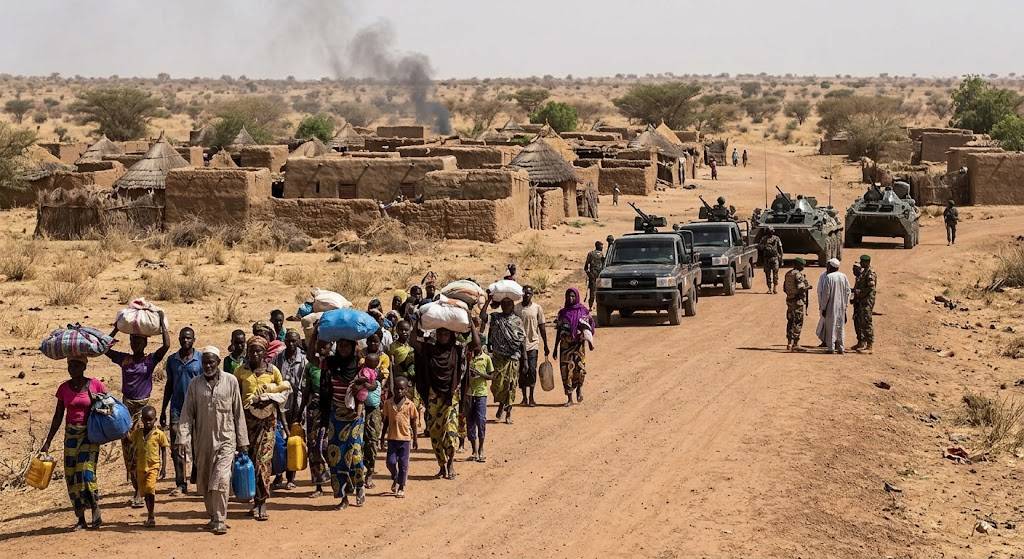
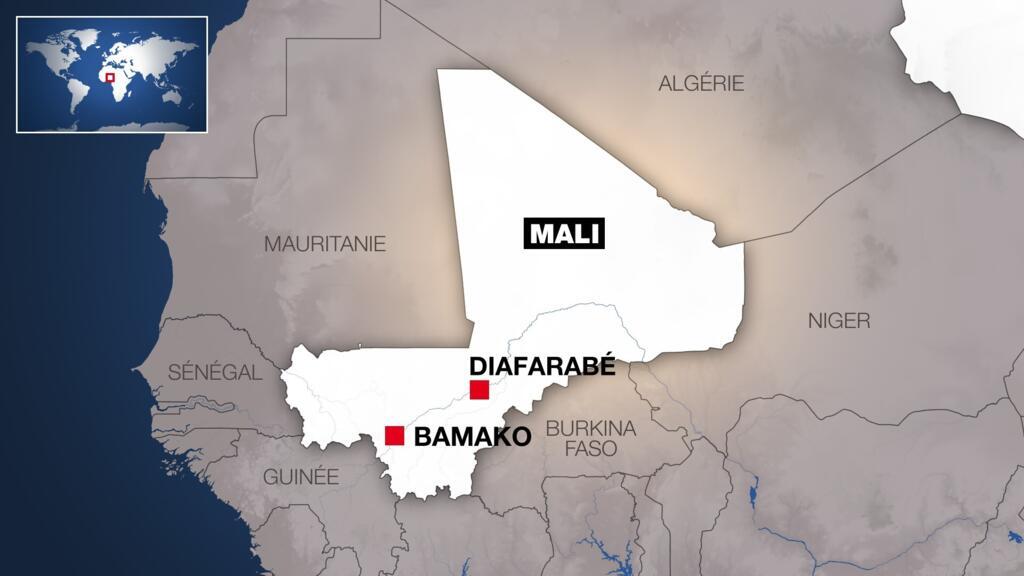
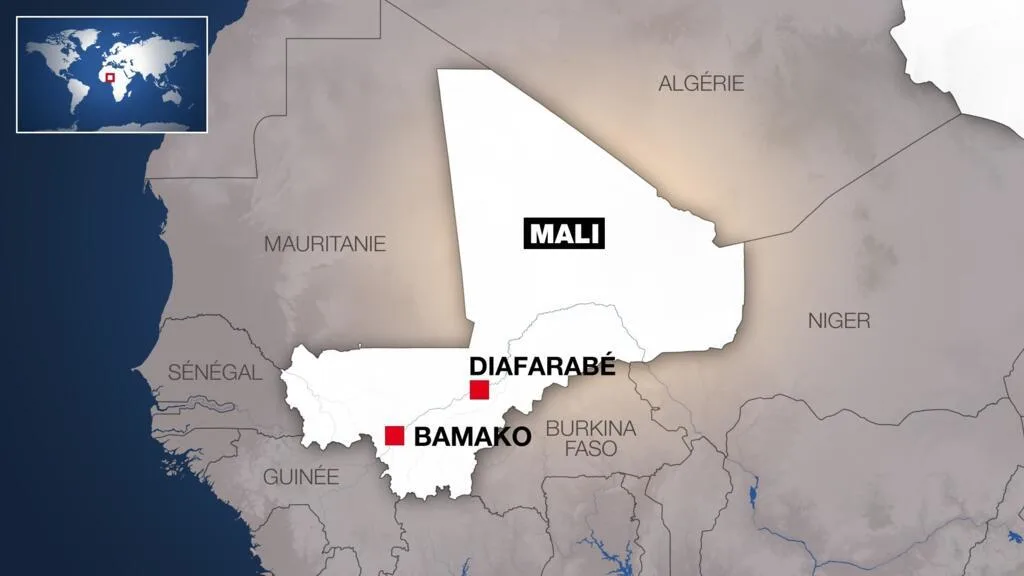
In the central Mopti region, specifically the town of Diafarabé, the humanitarian situation is dire. This community has endured a continuous blockade by the JNIM group for nearly a year, commencing on May 12, 2025.
Appeals for assistance directed to transitional authorities, notably a widely shared video last Saturday, have reportedly yielded no immediate relief, according to local residents. The scarcity of food and essential provisions has reached a critical point. With dwindling food supplies, minimal medicine, and inadequate healthcare, the population is severely weakened by the prolonged blockade. Residents describe a profound sense of hopelessness, caught between fear, deprivation, and isolation. One resident, speaking from within the besieged area, shared their desperate plight:
« No one can enter, and no one can leave; the blockade is absolute. All our food reserves are depleted, and famine is setting in. We spoke with military detachment officials who promised a future food convoy, but we are still waiting. This conversation followed protests by our youth and women. It’s truly a desperate situation; there’s nothing left! Previously, during flood seasons, we managed to bring in some provisions by river, little by little, despite the inherent dangers. I myself was shot during one such attempt and suffered a fractured arm, though I am much better now. Here, it’s simply about survival. Our singular desire right now is to have food. That’s all we ask for. »