Mali’s unfolding crisis: strategic stakes and regional spillover
The Mali crisis, stretching back to 2012, has evolved into a complex security and political quagmire with profound regional consequences. Once a key partner in Western counterterrorism efforts, Mali’s strategic pivot in 2022—marked by the expulsion of French forces—ushered in a new geopolitical alignment. This shift toward Russian-backed security cooperation, embodied by Africa Corps, has reshaped the Sahel’s power dynamics, placing sovereignty at the heart of Bamako’s political narrative.
Yet, the junta’s sovereign ambitions face mounting challenges. The collapse of state authority in northern regions and the surge of armed groups have exposed the fragility of Mali’s political-military command. The recent withdrawal of Russian forces from Kidal, negotiated under pressure, underscores the widening gap between Bamako’s aspirations and ground realities. Meanwhile, the growing alliance between the JNIM and the FLA is redefining the conflict’s contours, combining ideological militancy with territorial control strategies that exploit porous borders and weak governance.
Collapse of Mali’s command: from April 25 offensive to Kidal’s fall
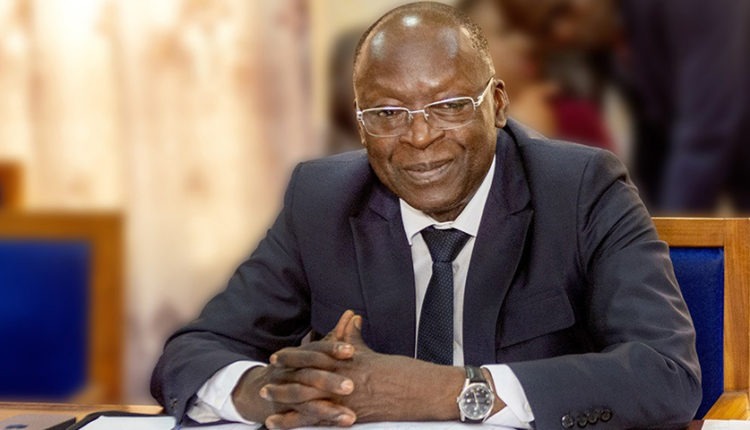
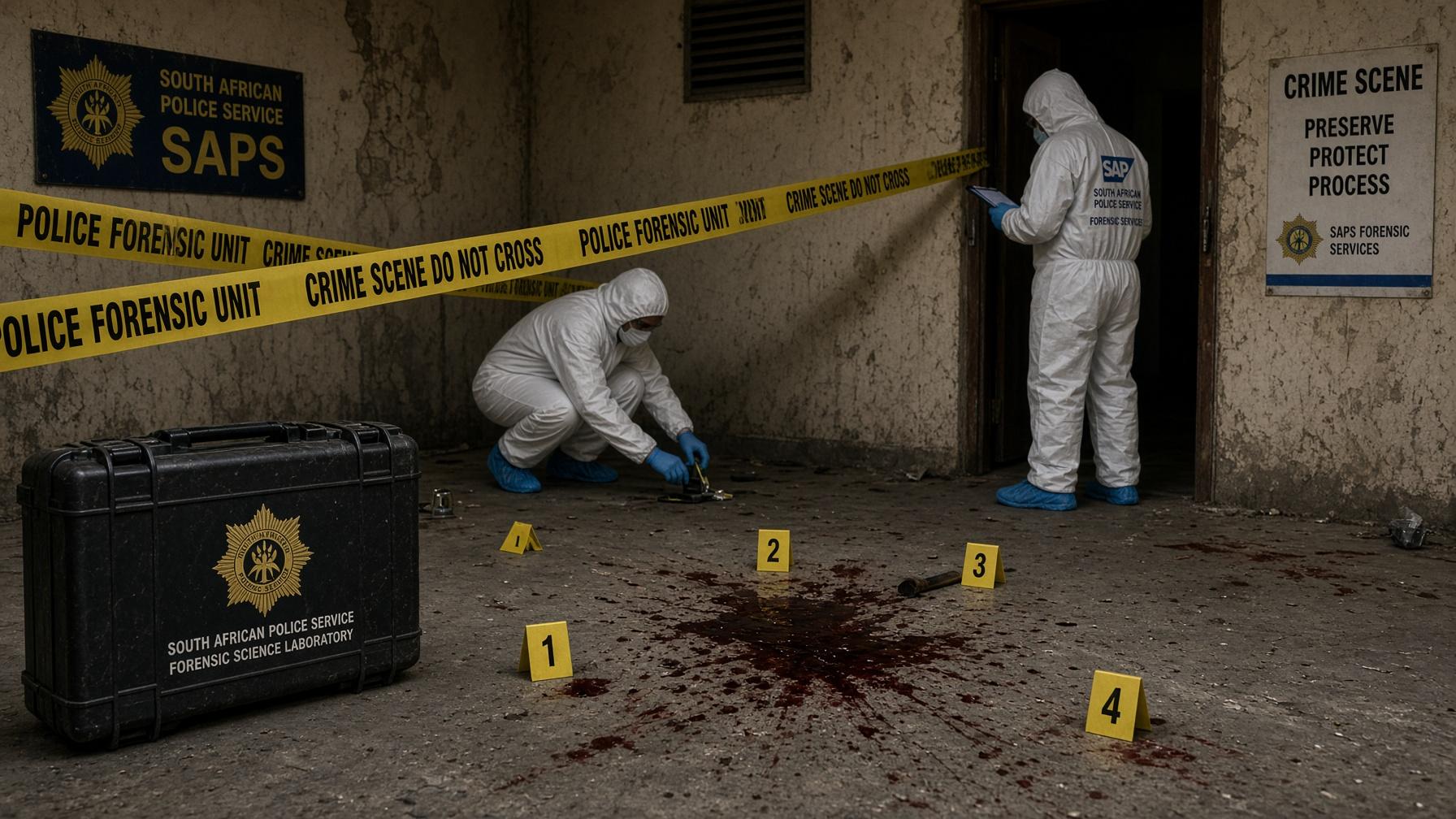
The April 25 offensive, which simultaneously struck key locations including Mopti, Konna, Sévaré, Bourem, Gao, and Bamako’s airport, marked a turning point. The assassination of Defense Minister Sadio Camara and the severe injuries to Generals Modibo Koné and Oumar Diarra during an attack on the Kati garrison exposed the vulnerability of Mali’s leadership. The subsequent withdrawal of Russian forces from Kidal—negotiated under duress—highlighted a critical loss of control over the northern territory.
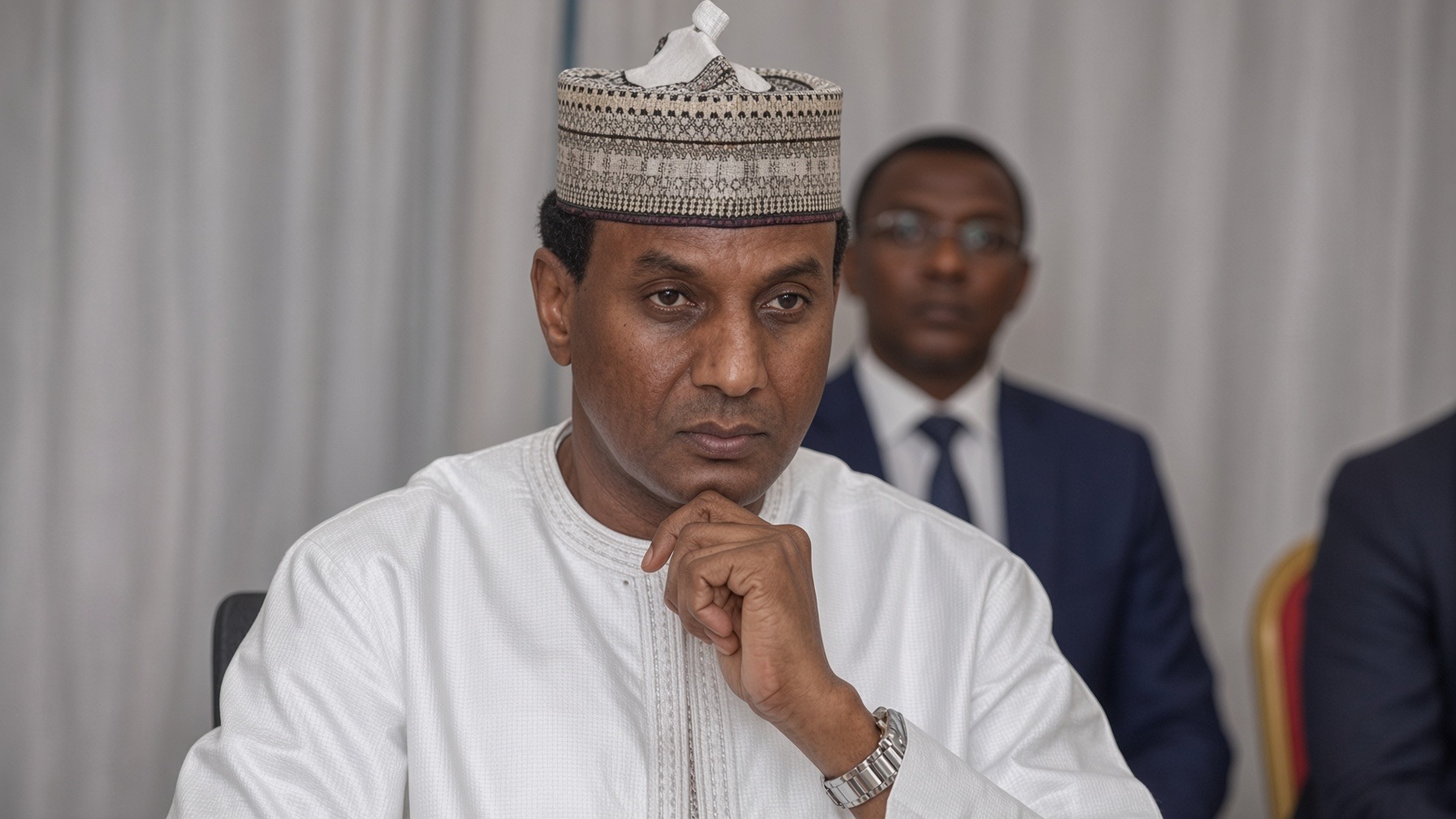
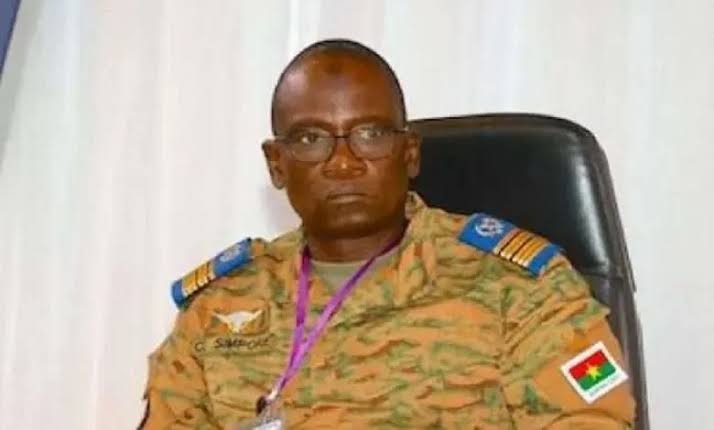
As military units retreated in disarray, internal fractures deepened. Reports of desertions, disrupted communications, and inter-factional clashes within the army fueled speculation of an impending coup. The prolonged absence of President Assimi Goïta from public life intensified these rumors, leaving a power vacuum that regional actors are now scrambling to fill.
Military setbacks and political fragility
The fall of Kidal, Gao, and Sévaré revealed the depth of Mali’s security crisis. The coordinated attacks by the JNIM and FLA demonstrated their ability to exploit weak command structures and isolate key garrisons. The subsequent blockade of Bamako’s supply routes by the JNIM further strained the junta’s capacity to maintain control, accelerating both the erosion of state authority and the collapse of public trust.
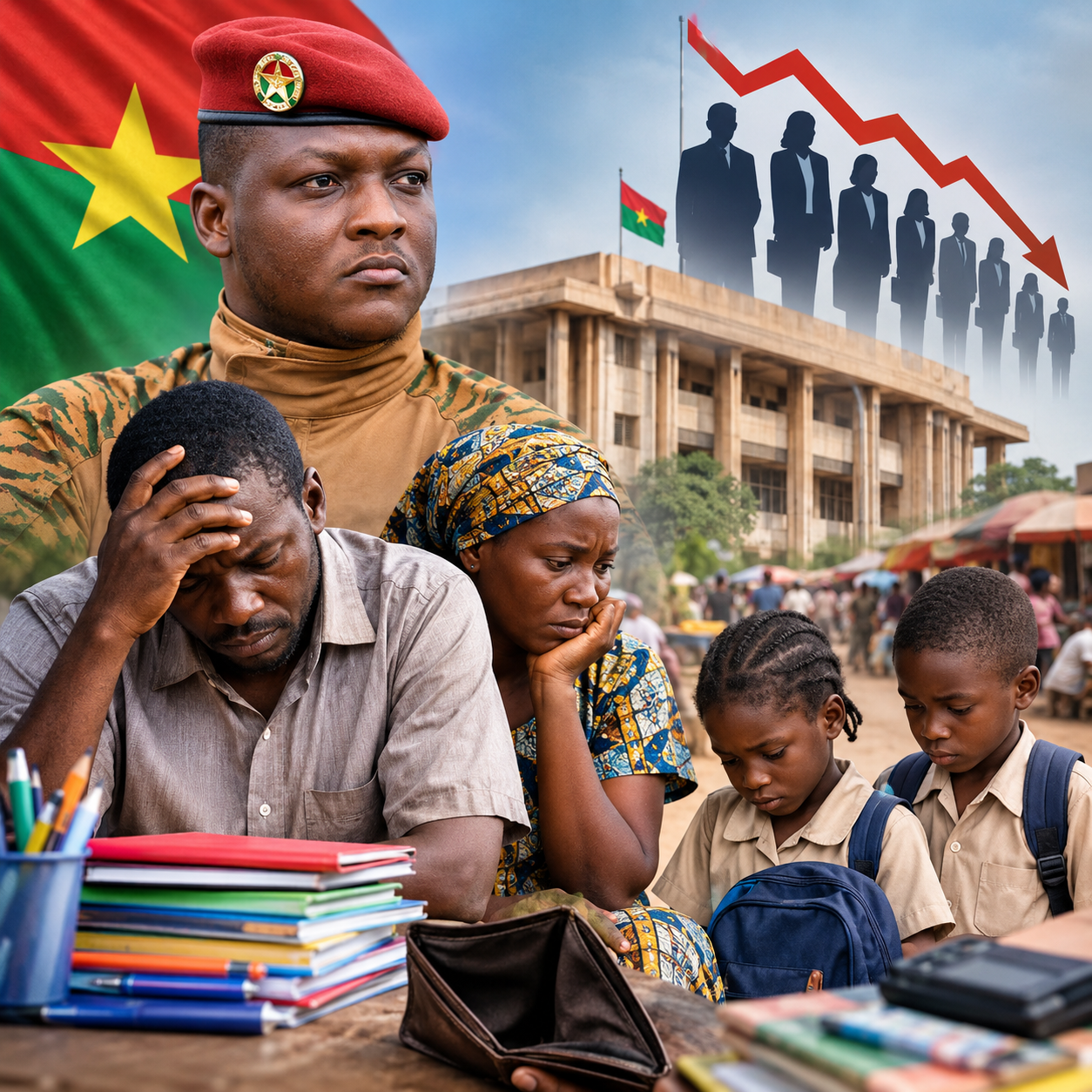
The crisis is no longer confined to military failure; it has become a political and humanitarian catastrophe. The population, already grappling with economic hardship, now faces escalating violence and a collapsing infrastructure. The junta’s sovereignist rhetoric rings hollow as Mali’s territorial integrity crumbles under the weight of internal and external pressures.
JNIM-FLA alliance: a convergence of historical trajectories and asymmetric warfare
The alliance between the Front de Libération de l’Azawad (FLA) and the Jama’at Nusrat al-Islam wal Muslimin (JNIM) represents a pivotal shift in the conflict. The FLA, rooted in decades of Tuareg rebellions and unmet demands for autonomy, brings territorial expertise and tribal networks. The JNIM, an Al-Qaeda-affiliated group, contributes advanced asymmetric tactics, including suicide bombings, drone strikes, and targeted assassinations, designed to paralyze state forces.
This partnership has enabled the groups to control critical corridors in northern and central Mali, crippling the army’s mobility and disrupting supply lines. Their combined strategy targets not only military installations but also economic lifelines, such as the Bamako–Kayes–Bakel route, where transit fees are systematically extorted from commercial convoys. The result is a financial and logistical stranglehold that undermines the state’s already fragile sovereignty.
The fall of Kidal, a symbolic stronghold, underscored the effectiveness of this alliance. The Russian withdrawal, negotiated under duress, signaled Bamako’s loss of strategic leverage in the North, further emboldening the JNIM-FLA coalition.
State of Islamic in the Sahel: the opportunist of chaos
The Islamic State in the Sahel (EIS) has emerged as the primary beneficiary of the crisis. Unlike the JNIM, which seeks to embed itself within local communities, the EIS pursues a strategy of expansion through terror. It targets perceived adversaries, seizes commercial routes, and exploits the vacuum left by the collapse of state structures and rival armed groups.
The recent instability provides the EIS with an opportunity to challenge the JNIM for leadership within the jihadist sphere. As the Malian army and its Russian allies struggle to regain control, the EIS is consolidating its presence in the Ménaka–Ansongo corridor, positioning itself to exploit further fragmentation in the Sahel.Africa Corps in Mali: the limits of Russia’s proxy security model
Russia’s military engagement in Mali, initially spearheaded by the Wagner Group and later institutionalized under Africa Corps, was designed to project power, secure resource concessions, and counter Western influence. However, the model has faltered. Despite deploying 1,000–1,200 personnel, including drone specialists and combat units, Africa Corps has failed to stabilize key regions.
The withdrawal from Kidal and Gao in late April 2026 exposed the limitations of Moscow’s proxy security approach. The junta’s reliance on foreign forces has not translated into tangible security gains, instead fostering resentment and deepening internal divisions. Meanwhile, Turkey’s growing influence—through the supply of drones, armored vehicles, and surveillance systems—is offering Bamako a more flexible alternative, further diminishing Russia’s strategic footprint.
The competition between Russian and Turkish security partnerships has exacerbated fractures within the junta. The death of Defense Minister Sadio Camara and the incapacitation of General Modibo Koné have weakened the command structure, leaving the regime vulnerable to internal power struggles.
Algeria: the silent architect of Sahelian realignment
Algeria has long played a central role in shaping Mali’s security landscape. As a regional power with deep ties to Tuareg communities and a strategic interest in preventing foreign military presence near its borders, Algeria has historically mediated peace agreements and sought to maintain a delicate balance between armed groups.
However, Bamako’s pivot toward Russia and the growing influence of Morocco in the Sahel have challenged Algeria’s traditional dominance. The recent withdrawal of Russian forces from Kidal, negotiated with Algerian approval, underscores Algeria’s renewed role as a mediator. By positioning itself as the indispensable diplomatic actor, Algeria aims to prevent a complete collapse of Mali while limiting the expansion of rival powers like Morocco and Russia.
Yet, Algeria’s influence is constrained by the Alliance of Sahel States (AES), which, despite its sovereignist rhetoric, remains devoid of operational cohesion. The failure of the AES to respond to the fall of Kidal highlights the gap between political ambition and military reality.
AES: a political project struggling with operational impotence
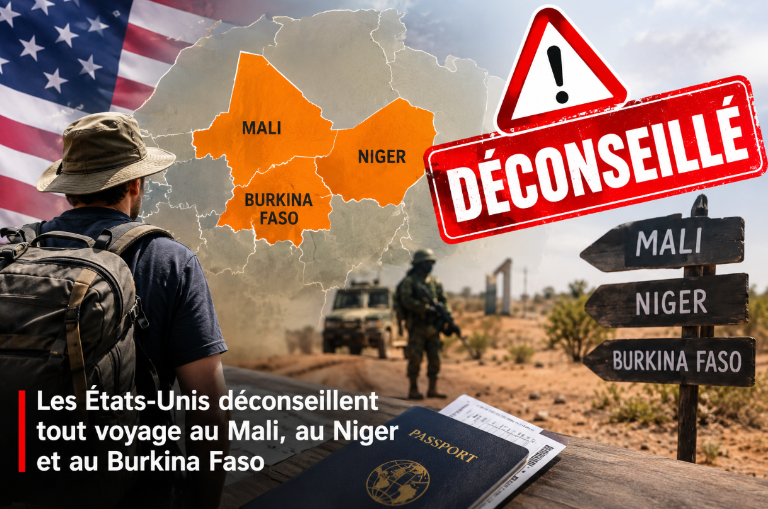
Founded in September 2023, the Alliance of Sahel States (AES)—comprising Mali, Burkina Faso, and Niger—aims to forge a sovereign security bloc independent of Western influence. The alliance promotes a common market, a joint counterterrorism force, and a logistics corridor to the Atlantic. However, these ambitions remain largely aspirational.
Despite partnerships with Russia, Turkey, Iran, and the UAE, the AES lacks integrated command structures, shared doctrines, or operational capabilities. The recent crisis has exposed its inability to coordinate a response, leaving each member state to confront its challenges in isolation. The failure to mobilize a joint force during the fall of Kidal epitomizes the alliance’s hollowness, reducing it to a symbolic platform for the juntas rather than a viable military bloc.
Economic sanctions, internal purges, and deepening security vacuums have further weakened the AES. Its isolation from the Economic Community of West African States (ECOWAS) has compounded its vulnerabilities, leaving the alliance increasingly dependent on external patrons whose loyalty is far from guaranteed.
Predicting Sahel’s future: four scenarios for regional realignment
Geopolitical forecasting suggests four potential trajectories for the Sahel, each dependent on evolving power dynamics and external interventions:
- Persistent instability: Continued attacks and economic decline, with the AES remaining a political construct lacking military substance.
- Relative stabilization: An Algerian-led peace initiative that reduces JNIM-FLA offensives and restores a modicum of security.
- Rapid deterioration: A major terrorist attack on a strategic target triggering systemic collapse across Mali and beyond.
- Sudden rupture: An internal coup or popular uprising toppling the junta, reshaping the regional power balance overnight.
The most plausible scenario in the near term is a continuation of persistent instability, as internal divisions, external rivalries, and armed group advances prevent any significant breakthrough. However, the risk of rapid deterioration remains high, with potential spillover effects destabilizing neighboring states and exacerbating European security concerns.
The Sahel at a crossroads: toward total regional realignment?
Mali’s crisis has transcended its borders, reshaping the Sahel’s geopolitical landscape. The collapse of state authority, the rise of armed groups, and the competition among external powers have created a volatile environment with far-reaching implications.
The Malian population, caught in the crossfire, bears the brunt of this upheaval. The junta’s sovereignist rhetoric rings hollow as foreign actors—Russia, Turkey, Algeria—redraw the region’s power map. Meanwhile, the JNIM-FLA alliance and the EIS are consolidating control over critical corridors, transforming Mali into a battleground for competing agendas.
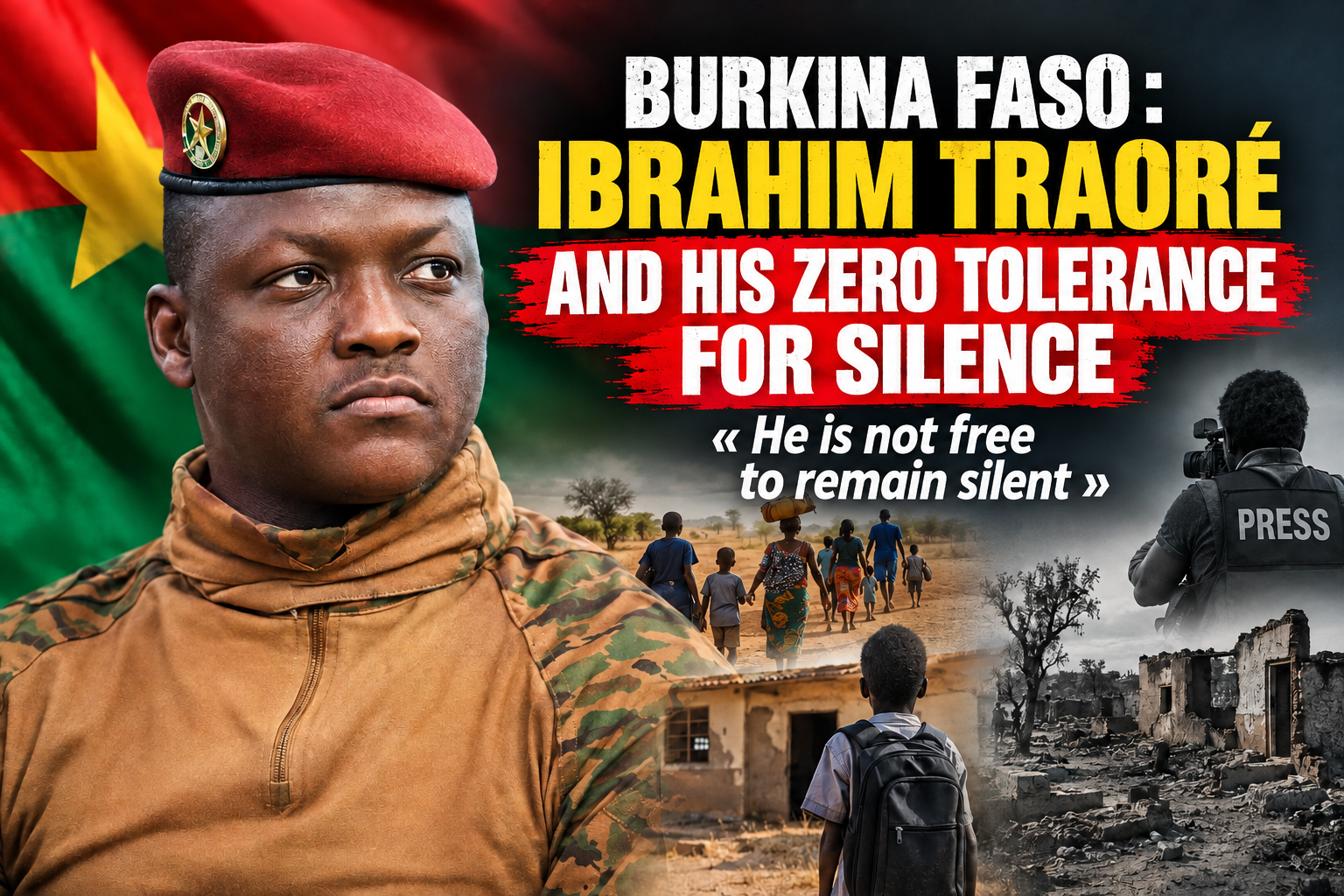
The Burkina Faso’s porous borders and weakening institutions make it the next likely domino to fall, while the AES remains a hollow vessel for political posturing. As the crisis deepens, the risk of spillover into West Africa’s Gulf of Guinea states grows, posing a direct threat to European security through migration flows, illicit trafficking, and the proliferation of armed groups.
In this uncertain landscape, Algeria’s role as a mediator offers a glimmer of hope, but its influence is constrained by the competing ambitions of regional and global powers. The future of the Sahel will be determined by the interplay of these forces, with Mali at the epicenter of a potential regional realignment that could redefine Africa’s security architecture for decades to come.